
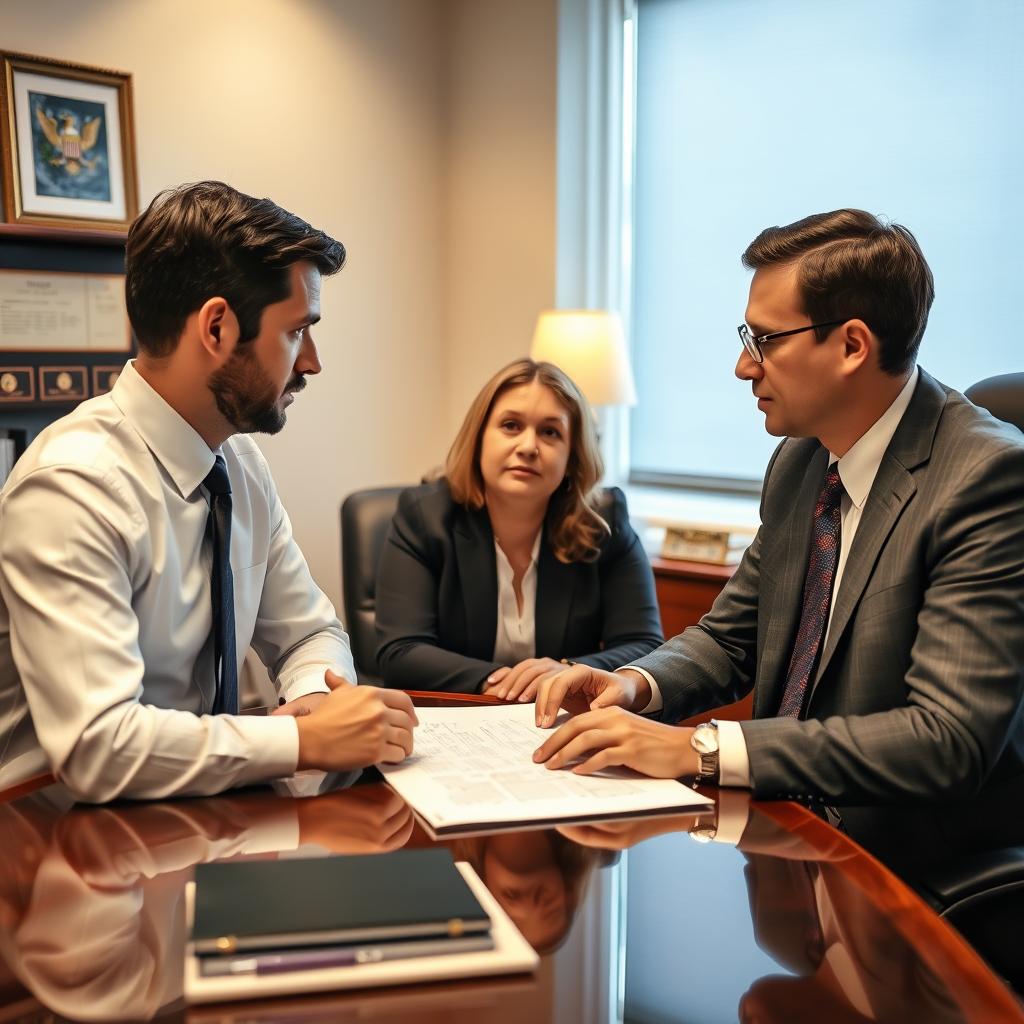
Property Settlement Lawyer Saratoga County, NY
Dividing marital assets and debts during a divorce can be one of the most complex aspects of a family law matter. In Saratoga County, New York, property settlement is governed by New York’s equitable distribution framework under the Domestic Relations Law. For individuals in Ballston Spa, Saratoga Springs, Clifton Park, Malta, Halfmoon, Mechanicville, Wilton, Stillwater, and surrounding communities, working with an experienced attorney can help ensure a fair resolution. Mr. Sris, a former prosecutor and Owner and Founder of Law Offices Of SRIS, P.C., along with the firm’s Of Counsel attorneys, represents clients in property settlement negotiations and litigation before the Saratoga County Supreme Court. Reach the firm at (888) 437-7747 to schedule a consultation. Law Offices Of SRIS, P.C. – Advocacy Without Borders.
What Property Settlement Means in Saratoga County
Property settlement—also referred to as equitable distribution or marital property division—is the process of identifying, valuing, and dividing assets and debts between spouses when a marriage ends. New York is an equitable distribution state, which means the court divides marital property in a manner it considers fair, but not necessarily equal. The Saratoga County Supreme Court, located at 30 McMaster Street in Ballston Spa, has jurisdiction over all divorce and property division matters within the county.
Under New York Domestic Relations Law § 236, the court classifies property as either marital (acquired during the marriage other than by gift or inheritance) or separate. Marital assets can include real estate, retirement accounts, bank accounts, business interests, vehicles, and even certain professional licenses enhanced during the marriage. The court then values each asset and considers statutory factors—such as the duration of the marriage, the age and health of the parties, their income and earning capacity, and contributions made as a homemaker—to determine a fair distribution. Saratoga County cases benefit from the broader procedural framework of the 4th Judicial District, and initiating a divorce requires payment of a $335 index number fee and a $95 Request for Judicial Intervention, though total costs vary by case complexity.
How Mr. Sris and the Firm’s Of Counsel Attorneys Handle Property Settlement Cases
Property settlement matters often involve contested valuations, hidden assets, and disputes over what constitutes marital property. Mr. Sris and the firm’s Of Counsel attorneys approach each case by first conducting a thorough inventory of all assets and debts, including those held solely or jointly. For high net worth or complex marital estates, this may involve reviewing business financial statements, real estate appraisals, and retirement plan documents.
The team works to resolve property issues through negotiation and mediation whenever possible, helping clients avoid prolonged litigation. When a judge must decide, the firm presents a clear, well-documented case addressing each of the statutory factors. Mr. Sris testified before the Virginia House Courts of Justice Committee in support of 2019 HB 635 (chief patron Del. David Bulova), legislation concerning the division of retirement assets, bringing a detailed understanding of qualified domestic relations orders and pension valuation to the table. Throughout the process, the firm strives to protect each client’s financial future while complying with the automatic restraining orders that freeze marital assets upon filing under DRL § 236.
About Mr. Sris and the Firm’s Of Counsel Attorneys
Law Offices Of SRIS, P.C. was founded in 1997 by Mr. Sris, a former prosecutor with extensive trial experience. Admitted in Virginia, Maryland, the District of Columbia, New Jersey, and New York, Mr. Sris brings a multi-jurisdictional perspective to complex property settlement cases. The firm’s Of Counsel attorneys further strengthen the practice; together, Mr. Sris and the firm’s Of Counsel attorneys bring extensive combined legal experience to every matter. Firmwide, the team has documented case results across all practice areas since 1997. Results may vary.
Frequently Asked Questions
How is marital property divided in Saratoga County, New York?
New York follows equitable distribution, meaning marital property is divided fairly—not necessarily equally—based on statutory factors. The court first classifies property as marital or separate, then values each asset and considers factors such as the length of the marriage, each spouse’s income and contributions, and the tax consequences of the division. A judge may award a larger share to one spouse if justified by the factors. The process is handled in the Saratoga County Supreme Court.
What assets are subject to division in a New York divorce?
Generally, any property acquired by either spouse during the marriage and before the commencement of the divorce action is considered marital property, with limited exceptions for gifts, inheritances, and property designated as separate by a valid agreement. This includes real estate, retirement accounts, stocks, bank accounts, business interests, vehicles, and even degrees or licenses that increased earning capacity during the marriage. Debts incurred during the marriage are also subject to division.
Can we negotiate our own property settlement without going to court?
Yes, spouses can reach a voluntary property settlement through negotiation or mediation and present an executed separation agreement to the court. The agreement must be fair and reasonable at the time of signing, and each party should make full financial disclosure. Once incorporated into a divorce judgment, the terms become enforceable. An experienced attorney can help draft and review a settlement to protect your interests and avoid future disputes.
Do I need a lawyer for property settlement in Saratoga County?
You are not required to have an attorney, but property division involves complex valuation and statutory factors that can have long-term financial consequences. Even in an uncontested case, legal guidance helps ensure all assets are properly identified and valued and that the final agreement is enforceable. An attorney can also advise on the tax implications of different distribution structures. For a consultation, reach Mr. Sris and the firm’s Of Counsel attorneys at (888) 437-7747.
What happens if my spouse hides assets during the divorce?
If a spouse conceals or fails to disclose assets, the court may award the other spouse a larger share of the marital estate or impose sanctions. Discovery tools such as interrogatories, document requests, and depositions can uncover hidden accounts or transferred property. Forensic accountants may be engaged when substantial assets are suspected of being concealed. The court takes a dim view of such conduct and has broad authority to fashion an appropriate remedy.
How long does property settlement take in Saratoga County?
The timeline for reaching a property settlement varies depending on whether the divorce is uncontested or contested and the complexity of the marital estate. An uncontested divorce with a signed agreement may move through the court in several months, while a highly contested case involving business valuations, expert testimony, and multiple court appearances can take a year or more. The Saratoga County Supreme Court schedule also affects the pace. Contact the firm to discuss your specific situation at (888) 437-7747.
Internal-Link Navigation
Explore our family law representation in nearby New York counties:
- Family Law representation in Manhattan
- Family Law representation in Brooklyn
- Family Law representation in Queens
- Family Law representation in Staten Island
- Family Law representation in Nassau County
Helpful Resources
Official New York State Primary Sources:
- Saratoga County Supreme Court (4th Judicial District)
- New York Domestic Relations Law § 236 (Equitable Distribution)
Attorney advertising. Prior results do not guarantee a similar outcome. Case results depend on a variety of factors unique to each case. Results may vary.