
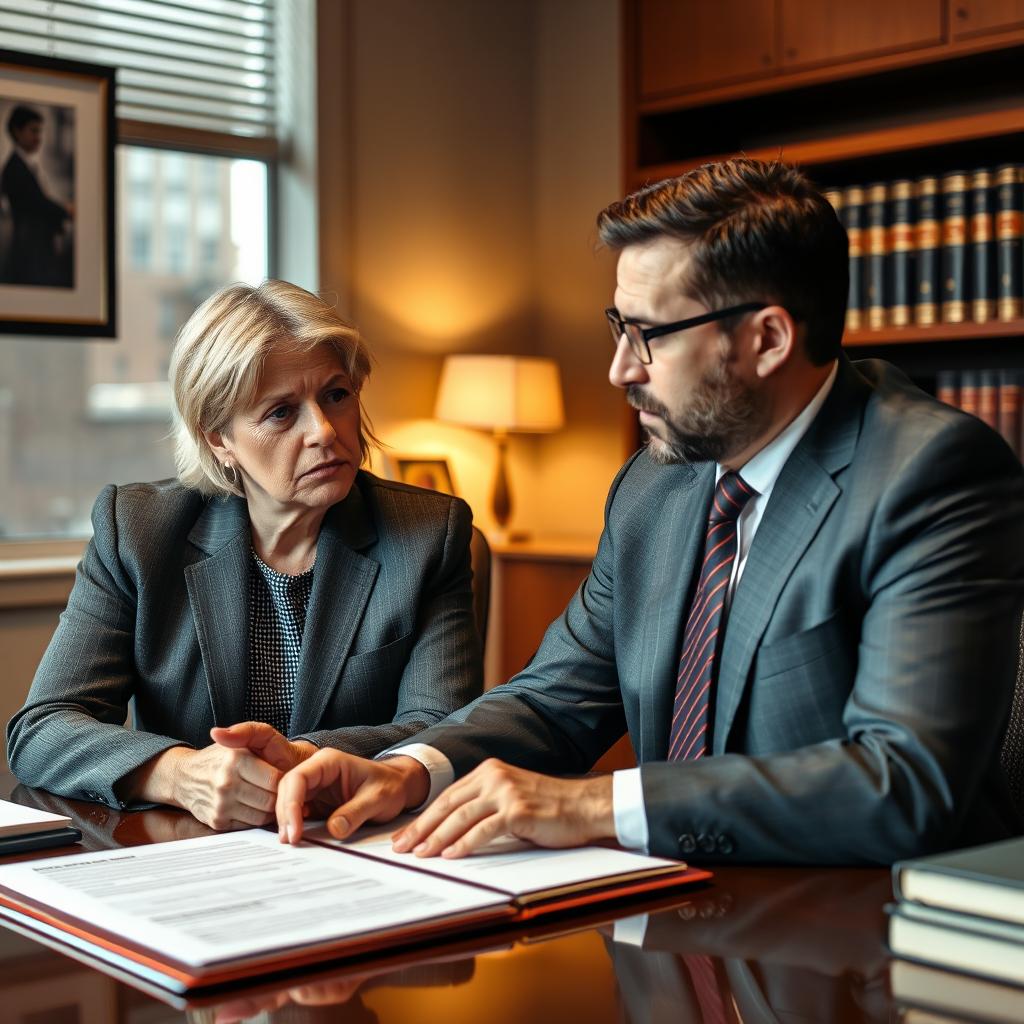
Property Settlement Lawyer Queens County, NY
Ending a marriage involves difficult decisions about property. In Queens County, New York, how marital assets are divided has lasting financial consequences. Law Offices Of SRIS, P.C. represents clients in property settlement disputes, working toward resolutions that address each spouse’s circumstances. Mr. Sris and the firm’s Of Counsel attorneys appear before the Queens County Supreme Court at 88‑11 Sutphin Boulevard, Jamaica, NY 11435. If you are facing a property division matter in Queens—whether in Forest Hills, Flushing, Long Island City, or elsewhere in the borough—reach our firm at (888) 437‑7747 to request a consultation. Law Offices Of SRIS, P.C. – Advocacy Without Borders.
What Property Settlement Means in Queens County, New York
New York follows equitable distribution. Marital property is divided fairly, but not necessarily equally. Separate property—acquired before marriage or received as a gift or inheritance—generally remains with the spouse who owns it. The distinction matters in Queens County, where real estate values, retirement accounts, businesses, and other assets can complicate a divorce. The Queens County Supreme Court has jurisdiction over all matrimonial and equitable distribution actions.
Property settlement is governed by New York Domestic Relations Law (DRL) § 236. The statute defines marital and separate property and lists factors the court weighs: the income and assets of each spouse, the duration of the marriage, age and health, contributions made as a homemaker, tax consequences, and the likely future financial circumstances of each party. A spouse may also seek a distributive award—a monetary payment rather than a physical division—when division in kind is impractical. The court’s analysis is fact‑intensive, and the outcome depends on a complete and accurate presentation of the marital estate.
Queens families come from diverse backgrounds and own assets that may include small businesses, rental properties in Jamaica or Astoria, investment portfolios, or interests in family‑run restaurants. The firm’s experience before the Queens County Supreme Court helps identify and value these assets. The court sits in the Jamaica section of Queens, accessible via public transit and major roadways such as the Van Wyck Expressway, Grand Central Parkway, and the Long Island Expressway. The Queens County Supreme Court handles all divorce and property division matters, while related custody and support issues may proceed in Family Court.
Queens County Supreme Court hours: Mon‑Fri 9:00 AM‑5:00 PM. Counsel appearing on family law matters should plan filings accordingly.
How Mr. Sris and the Firm’s Of Counsel Attorneys Handle Property Settlement Cases
Every property settlement begins with a clear picture of the marital estate. Mr. Sris and the firm’s Of Counsel attorneys work to identify and classify all assets and debts, from bank accounts and retirement plans to business interests and real estate. They examine financial records, appraisals, and tax returns to support a complete disclosure required by New York court rules.
After the estate is assembled, the focus turns to negotiation or litigation. Many property settlement disputes in Queens are resolved through negotiation or mediation, avoiding the cost and uncertainty of trial. When a negotiated resolution is not possible, the firm presents the matter to the court, advocating for a fair distribution under DRL § 236. Because the statute gives the judge broad discretion, effective representation requires a detailed factual record and a thorough understanding of how the Queens County Supreme Court has applied the statutory factors in similar cases. The timeline for a property settlement varies with the complexity of the assets, the level of agreement between the spouses, and the court’s calendar.
About Mr. Sris and the Firm’s Of Counsel Attorneys
Mr. Sris, Owner and Founder of Law Offices Of SRIS, P.C., has represented clients in family law matters since 1997. He is a former prosecutor and is admitted to practice in Virginia, Maryland, the District of Columbia, New Jersey, and New York. Mr. Sris testified before the Virginia House Courts of Justice Committee in support of 2019 HB 635 (chief patron Del. David Bulova). The firm’s Of Counsel attorneys bring multi‑jurisdictional experience and concentrate on family law, working closely with clients to address property division concerns.
Frequently Asked Questions About Property Settlement in Queens County, NY
What is property settlement in a New York divorce?
Property settlement is the process of classifying, valuing, and dividing marital assets and debts between spouses during a divorce under New York’s equitable distribution law. Unlike community property states, New York does not automatically split everything fifty‑fifty. Instead, the court determines a fair division after examining specific factors listed in DRL § 236. The settlement can be reached through a written agreement between the spouses or ordered by the court after trial. For guidance on your specific situation, reach Law Offices Of SRIS, P.C. at (888) 437‑7747.
How does equitable distribution work in Queens County?
In Queens County, equitable distribution is handled by a Supreme Court judge who follows the same DRL § 236 framework applied statewide, but local court practices and the volume of cases can influence scheduling and procedural steps. The court first determines which assets are marital and which are separate. Marital property includes everything acquired during the marriage, regardless of whose name is on the title, except for gifts and inheritances. The court then values the marital estate and applies the statutory factors to decide a fair allocation. Because the outcome is fact‑dependent, presenting complete financial information is critical.
What factors does the New York court consider when dividing property?
The court considers the income and property of each spouse at the time of the divorce and at the time of the final distribution, the duration of the marriage, the age and health of each party, the need of a custodial parent to occupy the marital residence, the loss of inheritance or pension rights, the contribution of each spouse to the acquisition of marital property including services as a homemaker, the liquid or non‑liquid character of the property, and the tax consequences to each party, among other factors. No single factor controls, and the weight given to each factor varies with the facts. A Queens County judge has wide discretion under DRL § 236 when structuring the division.
Do I need a lawyer for a property settlement in Queens County?
You are not required to retain a lawyer, but property settlement in New York involves complex valuation and legal rules that affect your financial future, and an error in classification or disclosure can lead to an unfair result. A lawyer can identify hidden assets, evaluate business interests, negotiate with the opposing side, and, if necessary, try the case in Queens County Supreme Court. The firm’s attorneys can discuss the specifics of your situation during a consultation. To discuss the details of your matter, contact Law Offices Of SRIS, P.C. at (888) 437‑7747.
What should I bring to a first meeting about property division?
Bring a list of all known assets and debts, including real estate, bank and brokerage statements, retirement account records, business financials, tax returns from the last three to five years, and any prenuptial or postnuptial agreements. If you have documents showing the value of significant items, such as appraisals or recent property tax assessments, include them. Organizing this information before the meeting helps an attorney assess the marital estate and identify potential issues early. If certain records are unavailable, the firm can discuss strategies to obtain them.
Can property settlement issues be resolved without going to court in Queens County?
Yes, many couples resolve property settlement disputes through negotiation, mediation, or collaborative law without a trial. A written separation agreement or stipulation of settlement, if properly executed and notarized, can address all property issues and be incorporated into the divorce judgment. Queens County courts encourage settlement, and the Supreme Court’s mandatory settlement conference provides a forum for narrowing disputes. If an agreement is reached, the court will review it for fairness before incorporating it into the divorce decree. For a consultation, reach Mr. Sris and the firm’s Of Counsel attorneys at (888) 437‑7747.
Attorney advertising. Prior results do not guarantee a similar outcome. Case results depend on a variety of factors unique to each case. Results may vary.