
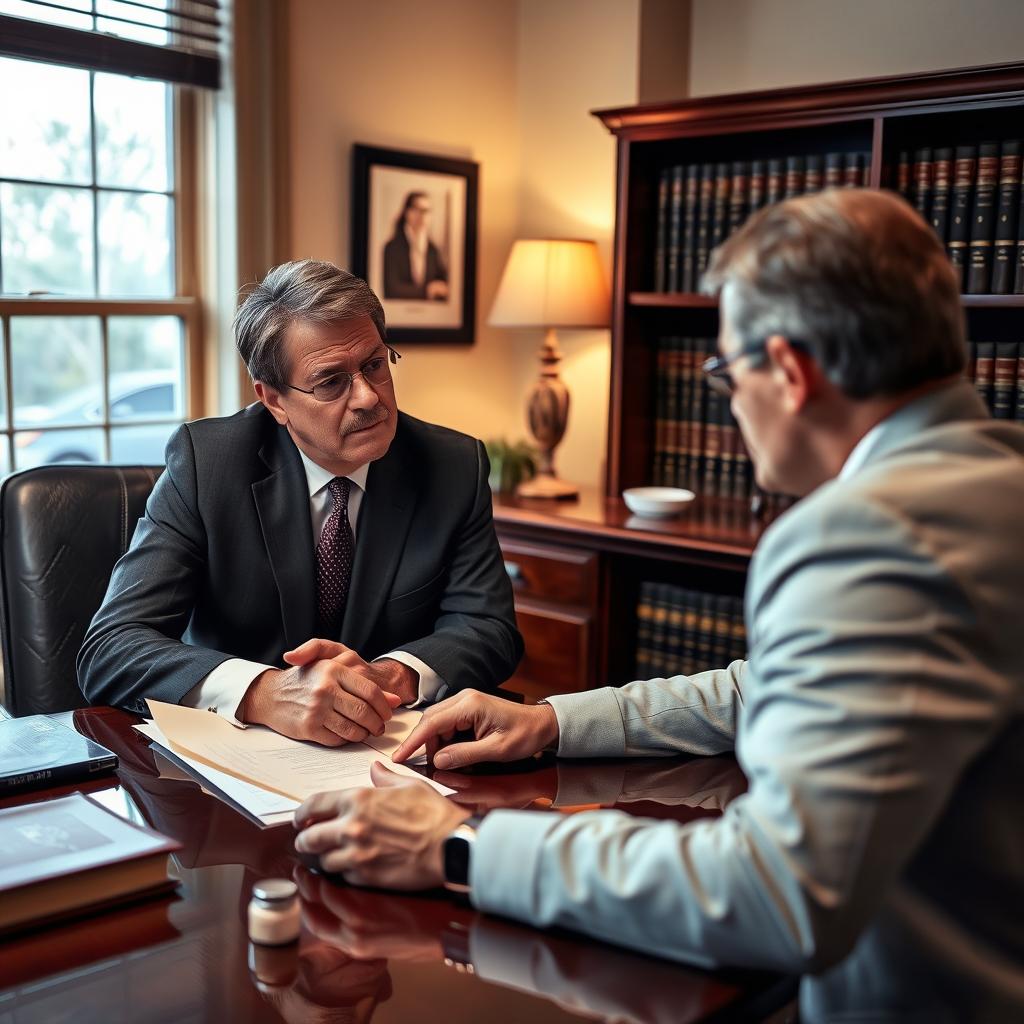
Property Settlement Lawyer Otsego County
You need a property settlement lawyer Otsego County when dividing assets in a divorce or legal separation. Law Offices Of SRIS, P.C.—Advocacy Without Borders. provides direct legal representation for these complex financial matters. Our attorneys handle the valuation and division of real estate, businesses, and retirement accounts specific to Otsego County. (Confirmed by SRIS, P.C.)
Statutory Definition of Property Settlement in New York
New York is an equitable distribution state governed by Domestic Relations Law § 236. This law classifies marital property and mandates its fair, though not necessarily equal, division upon divorce. The statute provides the legal framework a property settlement lawyer Otsego County uses to argue for your share of assets. It defines what constitutes marital versus separate property, a critical distinction in every case. The court has broad discretion to determine what is equitable based on multiple statutory factors.
Domestic Relations Law § 236(B)(5) — Equitable Distribution — Court-Ordered Division. This statute does not assign a criminal penalty but empowers the Supreme Court to distribute all marital property between the parties. The court’s order is enforceable through contempt powers, which can include fines or jail for non-compliance. The “maximum penalty” in this context is the potential loss of a significant portion of your marital estate. A skilled property settlement lawyer Otsego County fights to minimize that loss.
The legal process begins with classifying all property acquired during the marriage as marital property. This includes the marital home, vehicles, bank accounts, pensions, and business interests. Separate property, such as gifts or inheritances to one spouse, is typically excluded from division. However, commingling separate funds with marital assets can change their status. The burden of proving an asset is separate property falls on the spouse claiming it.
Equitable distribution does not automatically mean a 50/50 split.
The court considers numerous factors under DRL § 236(B)(5)(d). These include the income and property of each party at the time of marriage and at the time of the action. The duration of the marriage and the age and health of both parties are also relevant. The court will evaluate the need of the custodial parent to occupy or own the marital residence. The loss of inheritance and pension rights upon dissolution of the marriage is a key factor.
Retirement accounts and pensions are major marital assets.
Dividing a 401(k), IRA, or pension requires a Qualified Domestic Relations Order (QDRO). A QDRO is a separate court order that directs the plan administrator on how to divide the funds. Drafting this order incorrectly can lead to significant tax penalties and delays. An experienced property settlement lawyer Otsego County ensures the QDRO is prepared accurately. This protects your right to receive your allocated share without unnecessary tax liability.
The marital home is often the most contentious asset to divide.
Options include selling the home and splitting the proceeds or one spouse buying out the other’s equity. The court will consider the needs of any children and the financial ability of each spouse. If one spouse remains in the home, the buyout amount must be based on a fair market appraisal. Refinancing the mortgage to remove the other spouse’s name is usually required. SRIS, P.C. negotiates or litigates these terms to achieve a practical outcome.
The Insider Procedural Edge in Otsego County
Your case will be heard in the Otsego County Supreme Court, located at 197 Main Street, Cooperstown, NY 13326. This is the trial-level court with jurisdiction over all divorce and property settlement matters in the county. Knowing the local rules and personnel is a distinct advantage. Procedural specifics for Otsego County are reviewed during a Consultation by appointment at our Otsego County Location. Filing fees and motion schedules are set by the New York State Unified Court System.
The timeline for resolving a property settlement varies based on case complexity and court docket. Uncontested cases with agreed-upon terms can conclude in a few months. Contested cases involving valuation disputes or hidden assets can take a year or more. The court requires full financial disclosure through a Statement of Net Worth from each party. Failure to provide complete disclosure can result in sanctions and adverse inferences against you.
The filing fee for a divorce action in New York Supreme Court is $335.
This fee is required when the Summons with Notice or Summons and Complaint is filed. Additional fees apply for motions, subpoenas, and filing the Judgment of Divorce. If you cannot afford the fees, you may apply for a Poor Person’s Order. Your property settlement lawyer Otsego County can advise you on this process. Budget for these costs as part of your overall legal strategy.
Local rules mandate early settlement conferences.
The Otsego County Supreme Court often orders parties to attend a preliminary conference early in the case. This conference sets discovery deadlines and may explore settlement possibilities. Being prepared with a clear position on asset valuation is crucial. The judge or court attorney may offer preliminary feedback on likely outcomes. This process highlights the need for thorough preparation by your legal team from day one.
Discovery in Otsego County follows New York’s Civil Practice Law and Rules.
This includes demands for documents, interrogatories, and depositions. In high-asset cases, forensic accounting may be necessary to trace funds. Subpoenas may be issued to banks, employers, or business partners. The discovery process is where hidden assets are most often uncovered. A diligent dispute resolution lawyer Otsego County uses discovery tools aggressively to protect your interests.
Penalties & Defense Strategies in Property Disputes
The most common penalty in a property settlement case is an unequal division of assets against your favor. The court’s equitable distribution power is the primary mechanism for penalizing bad conduct. If you fail to disclose an asset, the court can award 100% of that asset to your spouse. The court can also order you to pay a portion of your spouse’s attorney’s fees. In extreme cases of contempt, fines or even jail time are possible for violating court orders.
| Offense / Issue | Potential Penalty | Notes |
|---|---|---|
| Failure to Disclose Asset | Forfeiture of asset to other spouse; Attorney’s fees | Court views this as fraud on the court. |
| Dissipation of Assets | Charge-back of full value; Unequal distribution | Spending marital funds on a paramour is common. |
| Non-Compliance with Court Order | Contempt: Fines or up to 6 months jail | Enforced under Judiciary Law § 753. |
| Unreasonable Litigation Conduct | Court-ordered payment of opponent’s legal fees | Under 22 NYCRR § 130-1.1. |
[Insider Insight] Otsego County judges expect full transparency and good-faith negotiation. Hiding assets or inflating debts is a sure way to lose credibility and your case. Prosecutors aren’t involved, but the judge acts as the arbiter of fairness. Presenting clear, documented appraisals and financial records is the strongest defense. A strategic property settlement lawyer Otsego County positions your case as the reasonable one.
Defense starts with thorough and voluntary financial disclosure.
Provide all requested documents promptly and without obstruction. Obtain independent, credible appraisals for real estate and business interests. Use forensic accountants if you suspect your spouse is hiding income or assets. Document any wasteful dissipation of marital funds by the other party. A proactive approach demonstrates your commitment to a fair process.
The cost of hiring a lawyer is an investment in protecting your net worth.
Legal fees are typically billed at an hourly rate, varying by attorney experience and case complexity. A direct settlement agreement may cost several thousand dollars. A fully contested trial over business valuation can cost tens of thousands. However, this cost must be weighed against the value of the assets at stake. A favorable settlement or judgment can preserve hundreds of thousands of dollars for your future.
Why Hire SRIS, P.C. for Your Otsego County Property Settlement
Our lead attorney for complex asset division is a seasoned litigator with over a decade of focused family law experience. This attorney has managed hundreds of cases involving the valuation and division of businesses, professional practices, and investment portfolios. They understand the nuances of New York’s equitable distribution law and how Otsego County judges apply it. Your financial future requires this level of specific knowledge and tactical skill.
Designated Counsel for High-Asset Divorce: Our assigned attorney has a proven record in negotiating and litigating property settlements. They are skilled in analyzing financial statements, tax returns, and business valuations. This attorney prepares every case with the assumption it will go to trial, ensuring maximum use in settlement talks. They have secured favorable divisions of multi-million dollar estates for clients throughout New York.
SRIS, P.C. has achieved numerous successful outcomes for clients in Otsego County. Our firm differentiator is a tactical, no-nonsense approach to financial discovery and valuation. We do not waste time or your money on procedural delays. We identify the core financial issues quickly and develop a strategy to address them. Our goal is to resolve your property settlement efficiently while protecting your largest assets.
We provide thorough family law representation that extends beyond the property division. Our team can handle related matters like spousal support and child custody under one roof. This integrated approach ensures your settlement agreement is cohesive and enforceable. You work with a dedicated team, not a single overextended lawyer. We are your advocate in the courtroom and at the negotiation table.
Localized FAQs for Otsego County Property Settlement
How is property divided in an Otsego County divorce?
New York courts divide marital property equitably under Domestic Relations Law § 236. This means a fair, but not always equal, split based on multiple statutory factors. The Otsego County Supreme Court oversees this process.
What is considered marital property in New York?
Marital property includes almost all assets and debts acquired by either spouse from the wedding date until the divorce filing. This covers real estate, income, retirement accounts, and business interests earned during the marriage.
How long does a property settlement take in Otsego County?
An uncontested settlement can take a few months. A contested case with asset valuation disputes can take a year or more. The timeline depends on court scheduling and the complexity of your finances.
Can I keep the house in my divorce settlement?
Possibly, if you can buy out your spouse’s equity and afford the mortgage and upkeep alone. The court considers children’s needs and each spouse’s financial ability. A settlement agreement lawyer Otsego County can negotiate this term.
What is a QDRO and when is it needed?
A Qualified Domestic Relations Order (QDRO) is a separate court order needed to divide a 401(k), pension, or other retirement plan. It is required to avoid taxes and penalties when transferring funds to the non-employee spouse.
Proximity, CTA & Disclaimer
Our Otsego County Location serves clients throughout the region, including Cooperstown, Oneonta, and surrounding towns. We are positioned to provide effective legal defense and family law services locally. For a property settlement, you need an attorney who knows the local court and its expectations.
Consultation by appointment. Call 1-888-437-7747. 24/7.
Law Offices Of SRIS, P.C. —Advocacy Without Borders.
NAP: SRIS, P.C. | Phone: 1-888-437-7747
Connect with our experienced legal team to discuss your specific case. We also provide support for related issues such as driving-related legal matters that can intersect with family law cases.
Past results do not predict future outcomes.