
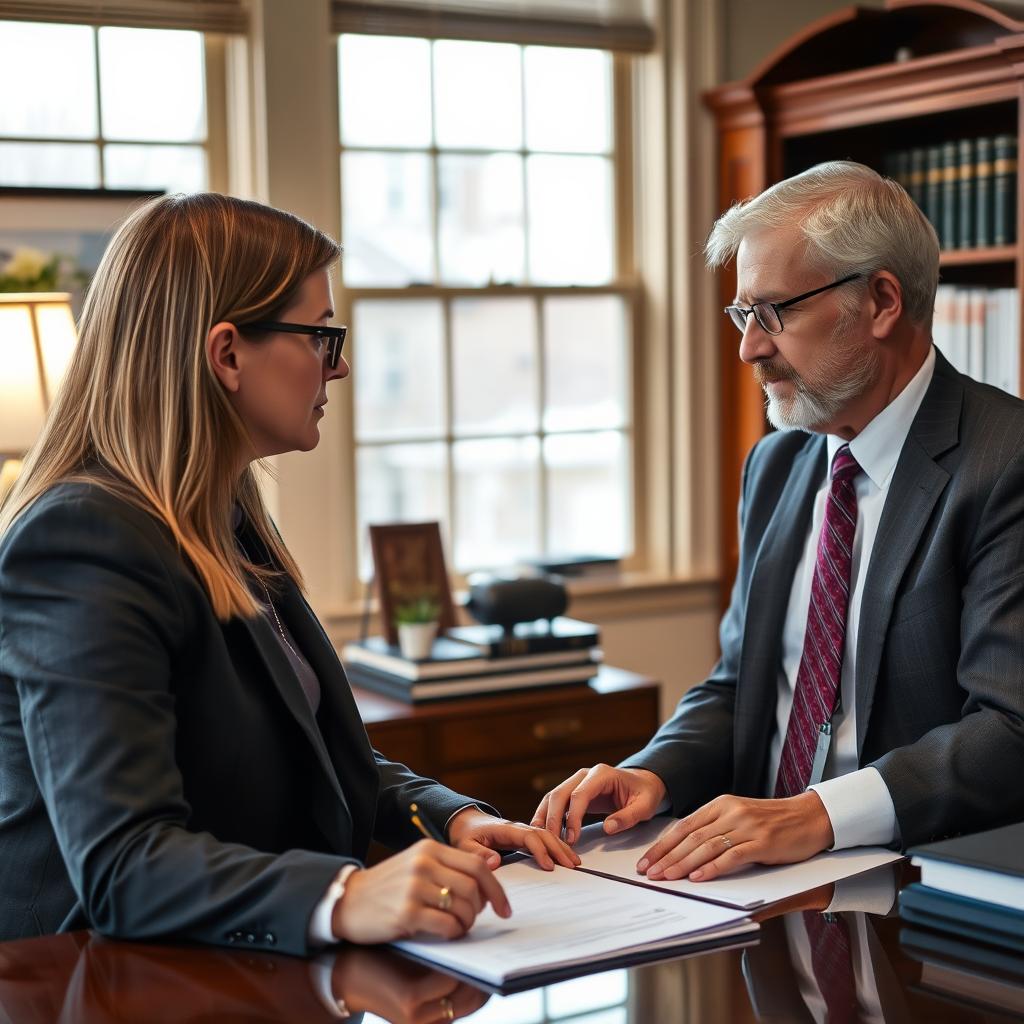
Property Division Lawyer Otsego County
A Property Division Lawyer Otsego County handles the equitable distribution of marital assets under New York law. Law Offices Of SRIS, P.C.—Advocacy Without Borders. provides direct counsel for these complex matters. The process is governed by New York Domestic Relations Law § 236. Marital property includes assets acquired during the marriage. Non-marital property remains with the original owner. (Confirmed by SRIS, P.C.)
Statutory Definition of Property Division in New York
New York Domestic Relations Law § 236(B)(5) governs equitable distribution — a Class A Misdemeanor for contempt, with penalties including fines and potential jail time for non-compliance with court orders. This statute defines the entire process for dividing property upon divorce. It establishes what constitutes marital property versus separate property. The court’s goal is a fair, but not necessarily equal, division based on multiple statutory factors. Understanding this legal framework is the first step in any property division case in Otsego County.
Marital property includes nearly all assets and debts acquired by either spouse from the marriage date until the commencement of a divorce action. This includes income, real estate like the family home, retirement accounts, business interests, and personal property. Separate property is specifically excluded from division. This includes assets owned before marriage, gifts from third parties, and inheritances received individually. Proving an asset is separate property requires clear documentation and often legal argument.
The court considers numerous factors to determine what is “equitable.” These include the income and property of each party at marriage and at divorce. The duration of the marriage and the age and health of both parties are critical. The court will also evaluate the need of the custodial parent to occupy the marital residence. The loss of inheritance or pension rights upon dissolution is another key factor. Any award of maintenance (alimony) will also influence the property division outcome.
What is considered marital property in Otsego County?
Marital property in Otsego County includes assets and debts acquired during the marriage. This definition is broad under New York law. It covers wages, bank accounts, real estate, vehicles, and retirement benefits. Even a spouse’s professional license or business goodwill can be considered marital property. The increase in value of a separate property asset may also be marital. This requires tracing contributions and appreciation, a task for a skilled Property Division Lawyer Otsego County.
How is a family business divided in a divorce?
A family business is valued and then offset with other marital assets. The court first determines the business’s fair market value. This often requires a forensic business valuation experienced. One spouse may buy out the other’s interest. Alternatively, the business may be sold and the proceeds divided. The active spouse typically retains operational control. The division must account for the business’s role in marital finances.
Who gets the house in an Otsego County divorce?
The spouse with primary physical custody of children often retains use of the house. The court prioritizes stability for minor children. The custodial parent may receive exclusive use until a triggering event, like a child’s majority. The equity in the home is still subject to division. One spouse may buy out the other’s share. If neither can afford the buyout, the house is sold and equity split.
The Insider Procedural Edge in Otsego County
The Otsego County Supreme Court at 197 Main Street, Cooperstown, NY 13326, is where property division cases are adjudicated. This court handles all matrimonial actions, including the complex financial disputes inherent to property division. Knowing the local rules and judicial preferences in this venue provides a significant advantage. Procedural missteps can delay your case or weaken your position. An attorney familiar with this specific courtroom is essential. Learn more about Virginia legal services.
Filing a divorce action starts the property division clock. The “commencement date” of the action is the critical date for determining what is marital property. All assets acquired after this date are typically considered separate. The process involves mandatory financial disclosure through Statements of Net Worth. These detailed documents list all assets, liabilities, income, and expenses. Failure to provide full disclosure can result in sanctions from the court.
The timeline for resolving property division varies widely. An uncontested case with an agreement can conclude in a few months. A contested case with complex assets can take years. The court’s docket and the complexity of valuation issues dictate the pace. Temporary orders may address who pays the mortgage or stays in the home during litigation. A skilled marital property split lawyer Otsego County can manage this timeline effectively.
What is the typical timeline for property division?
A contested property division case often takes over a year to resolve. Discovery, including subpoenas and depositions, consumes several months. Valuation experienced attorneys for businesses or pensions add significant time. Settlement negotiations occur throughout but may fail. A court trial is the final step if no agreement is reached. Each phase requires strict adherence to court deadlines.
What are the court filing fees in Otsego County?
The index number filing fee for a divorce action in Supreme Court is $210. Additional motion fees or fees for note of issue apply. There is also a mandatory $95 fee for the New York State Register. These are baseline costs and do not include attorney fees. Fee waivers are available for qualifying low-income parties. Your attorney will clarify all anticipated costs at the outset.
Penalties & Defense Strategies in Property Division
The most common penalty in property division is an unequal distribution of assets favoring the compliant spouse. The court has broad discretion to achieve an equitable result. If one spouse hides assets or fails to disclose financial information, the court can punish that behavior. This can mean awarding a larger share of the known assets to the other party. In extreme cases, contempt of court for violating orders can lead to fines or jail.
| Offense | Penalty | Notes |
|---|---|---|
| Failure to Disclose Asset | Asset awarded 100% to other spouse + legal fees | Court can impose punitive distribution. |
| Dissipation of Assets | Value added back to marital estate for division | Spending marital funds frivolously on eve of divorce. |
| Non-Compliance with Court Order | Contempt: Fines up to $1,000, Jail up to 6 months | Class A Misdemeanor under Judiciary Law § 750. |
| Filing Frivolous Motions | Order to pay opponent’s legal fees and costs | Sanctions under court rules. |
[Insider Insight] Otsego County judges expect full transparency. Hiding assets, especially related to local agriculture, small business, or retirement accounts, is met with harsh sanctions. Prosecutors of these contempt actions take a dim view of financial deception in family court. The bench prefers settlements but will enforce disclosure rules aggressively. Learn more about criminal defense representation.
A strong defense is built on careful documentation and proactive strategy. Begin gathering financial records before filing. This includes tax returns, bank statements, deeds, and loan documents. Hire necessary experienced attorneys early, such as appraisers for real estate or actuaries for pensions. Consider mediation or collaborative law to reach a settlement without court imposition. A clear strategy protects your share of the marital estate.
What happens if my spouse hides assets?
The court can award you the entire hidden asset or a larger share of the known estate. Forensic accounting may be necessary to trace the funds. The offending spouse will likely be ordered to pay your legal and experienced fees. This is a serious violation of fiduciary duty between spouses. It can also lead to criminal charges for contempt or fraud. An equitable distribution lawyer Otsego County can file motions to compel discovery.
Can I be forced to sell my retirement account?
The court will divide the value of the retirement account accrued during the marriage. This is typically done via a Qualified Domestic Relations Order (QDRO). A QDRO is a separate court order sent to the plan administrator. It directs a portion of the account to be paid to the alternate payee (the other spouse). The account itself is not usually liquidated. The division is based on the value during the marital period.
Why Hire SRIS, P.C. for Otsego County Property Division
Our lead counsel for financial matters has over fifteen years of litigation experience in New York matrimonial law. This attorney has handled complex property divisions involving family businesses, farm assets, and professional practices common in Otsego County. They understand the nuanced application of DRL § 236. Their approach is direct and strategically focused on protecting client assets. They prepare every case with the assumption it will go to trial.
SRIS, P.C. provides focused representation for property division disputes. We analyze the unique financial area of each marriage. We identify separate property claims and marshal evidence to support them. We engage reputable valuation experienced attorneys when needed. Our goal is to secure a division that reflects your contributions and future needs. We advocate in settlement conferences and, if necessary, at trial.
Our firm’s structure supports your case. We have resources to manage detailed financial discovery. We can coordinate with forensic accountants and appraisers. We maintain a network of local process servers and court reporters. We prepare clear, persuasive Statements of Net Worth and supporting documents. We are familiar with the Otsego County Supreme Court and its procedures. You need a firm with deep experience in family law. Learn more about DUI defense services.
Localized FAQs for Otsego County Property Division
How is debt divided in an Otsego County divorce?
Marital debt is divided equitably, similar to assets. Debt acquired during the marriage for family benefit is typically shared. The court considers who incurred the debt and why. Creditors are not bound by the divorce decree and can pursue either spouse.
What is the difference between equitable distribution and community property?
New York is an equitable distribution state, not community property. Equitable means fair, not necessarily a 50/50 split. Community property states presume a 50/50 division. New York courts use statutory factors to decide a fair percentage for each spouse.
How long do I have to be separated before filing for divorce in New York?
New York has a no-fault ground based on an irretrievable breakdown for at least six months. You do not need a formal separation agreement first. The six-month period is measured from when you file the sworn statement. Other fault-based grounds have no separation requirement.
Can I get my spouse’s inheritance in a divorce?
An inheritance received by one spouse is generally separate property. It is not subject to division if kept separate. If commingled with marital funds, it may become marital. Proving it remains separate requires clear financial tracing.
What is a QDRO and when is it used?
A Qualified Domestic Relations Order is a court order for dividing retirement plans. It is used to divide pensions, 401(k)s, and other ERISA-governed accounts. The QDRO is issued after the divorce and sent to the plan administrator. It directs the plan to pay a share to the non-member spouse.
Proximity, CTA & Disclaimer
Our firm serves clients throughout Otsego County. Procedural specifics for the Otsego County Supreme Court are reviewed during a Consultation by appointment. For immediate guidance on dividing marital assets, business interests, or retirement accounts, contact our team. We provide direct counsel on your property division case.
Consultation by appointment. Call 1-888-437-7747. 24/7.
Law Offices Of SRIS, P.C.
—Advocacy Without Borders.
Past results do not predict future outcomes.