
Note: This article is confirmed by Law Offices Of SRIS, P.C.
AUTHOR BIO:WRITTEN BY
Since 1997, Mr. Sris has led the firm, focusing on the most challenging criminal and family law cases. His background in accounting and information management aids in financial and technology-related cases. Involved in significant legislative changes in Virginia. My focus since founding the firm in 1997 has always been directed towards personally handling the most challenging and involved criminal and family law matters our clients face.
Postnuptial Agreement Lawyer Tompkins NY
What is a Postnuptial Agreement
Postnuptial agreements serve as financial planning tools for married couples. Unlike prenuptial agreements made before marriage, postnups are created after the wedding ceremony. These contracts establish clear guidelines for handling assets, debts, and financial support if the marriage dissolves. Many couples consider postnuptial agreements when they inherit property, start businesses, or experience significant changes in their financial situation after marriage.
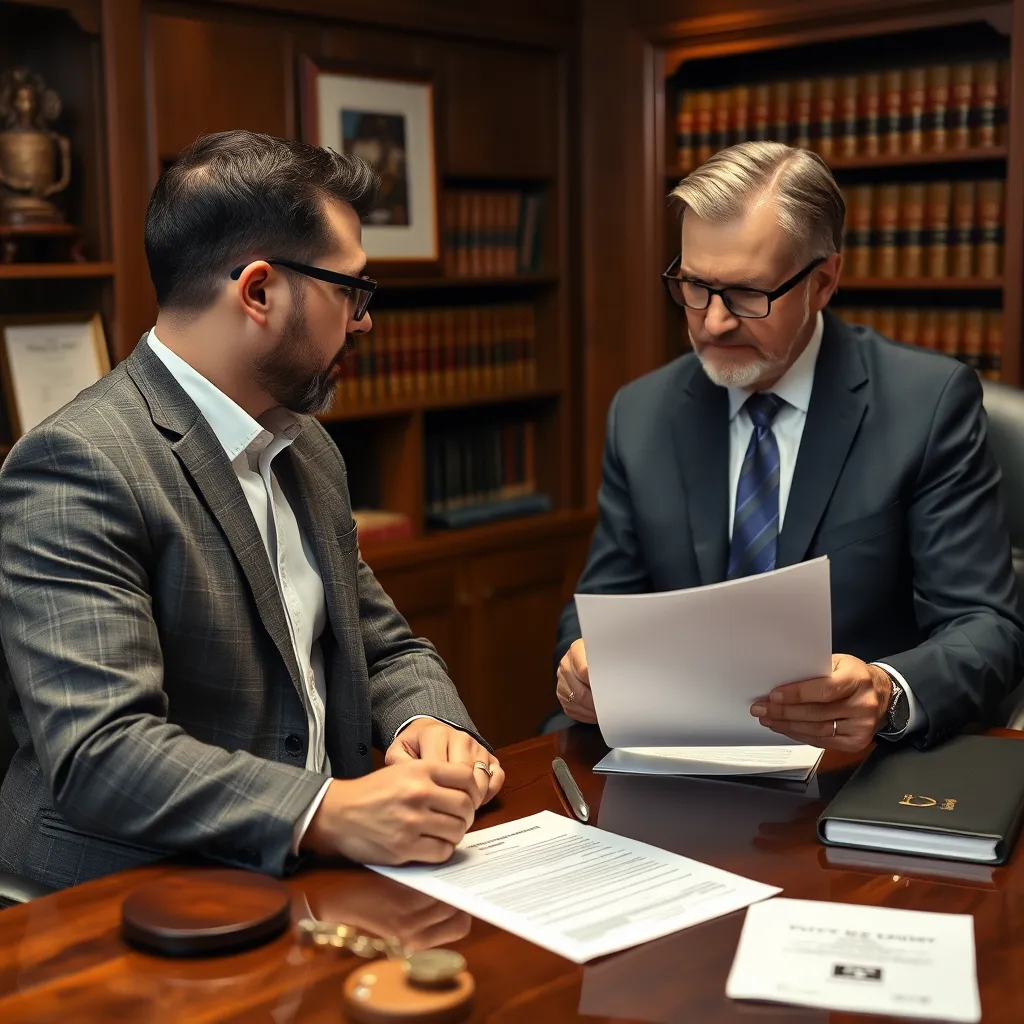
The process begins with both spouses providing complete financial information. This includes assets, debts, income sources, and property values. Each party needs separate legal representation to ensure their interests receive proper attention. The agreement must be fair and reasonable at the time of signing. Courts examine whether both parties entered the contract voluntarily with full understanding of its terms.
Defense options exist if someone challenges a postnuptial agreement. The most common challenges involve claims of coercion, inadequate disclosure, or unfair terms. To defend against these challenges, documentation showing voluntary participation and complete financial transparency becomes vital. Professional legal guidance helps ensure the agreement meets New York’s legal standards for enforceability.
Professional insight reveals that properly drafted postnuptial agreements can strengthen marriages by reducing financial uncertainty. These contracts encourage open communication about money matters. They provide a framework for handling financial decisions during the marriage. When created with mutual respect and fairness, postnups can protect both spouses’ interests while maintaining marital harmony.
Real-Talk Aside: These agreements work best when both spouses approach them honestly. Financial secrets undermine the entire process.
How to Create a Valid Postnuptial Agreement
The creation process for postnuptial agreements follows specific legal requirements. First, both spouses should consult with separate attorneys who specialize in family law. This independent representation ensures each person’s rights receive proper consideration. The lawyers explain the legal implications and help negotiate fair terms. Without separate counsel, courts may question whether both parties understood the agreement’s consequences.
Financial disclosure represents the most important step. Both spouses must provide complete information about all assets, debts, income, and property interests. This includes bank accounts, retirement funds, real estate, business interests, and personal property. Hiding assets or providing incomplete information can invalidate the entire agreement. Documentation should include recent statements, appraisals, and tax returns to verify financial positions.
The agreement drafting phase addresses specific provisions. Common elements include property division guidelines, debt allocation, spousal support terms, and inheritance rights. The document should specify which assets remain separate property and which become marital property. Business interests and professional practices require special consideration. The terms must be fair and reasonable when signed, not necessarily at some future date.
Execution and notarization finalize the process. Both spouses sign the agreement voluntarily without pressure or coercion. A notary public witnesses the signatures to confirm identity and voluntary participation. Some attorneys recommend video recording the signing to document the voluntary nature. Proper storage of the original document and all supporting financial disclosures ensures availability if needed later.
Real-Talk Aside: Rushing this process risks creating an unenforceable document. Take time for proper financial disclosure and legal review.
Can I Modify an Existing Postnuptial Agreement
Modification of postnuptial agreements follows similar legal requirements as creating the original document. Both spouses must voluntarily agree to the changes. The amendment process begins with discussing why modifications are necessary. Common reasons include changes in financial circumstances, birth of children, career advancements, or inheritance receipt. The original agreement may include provisions about modification procedures that should be followed.
The legal process for amendments mirrors initial creation requirements. Each spouse needs independent legal counsel to review proposed changes. Lawyers help negotiate new terms that reflect current circumstances while protecting both parties’ interests. Complete updated financial disclosure is necessary, even if the original disclosure was comprehensive. This ensures both parties understand the financial implications of the modified agreement.
Documenting the amendment properly prevents future disputes. The modification should be in writing and reference the original agreement. It should clearly state which provisions are being changed and how they are being amended. Both spouses must sign the amendment voluntarily, preferably with notarization. Some attorneys recommend attaching the amendment to the original agreement and storing them together.
Enforcement considerations remain important. Modified agreements must still meet New York’s standards for fairness and reasonableness. Courts examine whether both parties entered the amendment voluntarily with full understanding. Substantial changes to financial arrangements may require more extensive review. Professional guidance helps ensure modifications don’t inadvertently invalidate other provisions of the original agreement.
Real-Talk Aside: Don’t assume verbal agreements about changes are binding. All modifications need proper documentation.
Why Hire Legal Help for Postnuptial Agreements
Legal representation provides essential protection when creating postnuptial agreements. Lawyers understand New York’s specific requirements for these contracts. They ensure the agreement includes all necessary elements for enforceability. Attorneys help identify issues that couples might overlook, such as future inheritance rights, business valuation methods, or retirement account division. Professional guidance prevents ambiguous language that could lead to disputes later.
The drafting process benefits significantly from legal experience. Attorneys use precise language that clearly defines terms and intentions. They structure provisions to address various scenarios that might occur during the marriage or upon its dissolution. Lawyers consider tax implications, estate planning considerations, and potential changes in financial circumstances. This comprehensive approach creates more effective and durable agreements.
Negotiation assistance represents another important benefit. When spouses have different perspectives on financial matters, attorneys facilitate constructive discussions. They help find compromises that respect both parties’ interests while maintaining fairness. Lawyers explain the legal consequences of different provisions, helping spouses make informed decisions. This professional mediation can reduce tension and promote mutual understanding.
Future enforcement considerations guide proper drafting. Attorneys anticipate how courts might interpret provisions and structure agreements accordingly. They include safeguards against common challenges, such as allegations of coercion or inadequate disclosure. Lawyers ensure proper execution procedures are followed, including notarization and witness requirements. This attention to detail increases the likelihood that the agreement will withstand legal scrutiny if challenged.
Real-Talk Aside: Trying to save money on legal fees now could cost much more if the agreement fails in court later.
FAQ:
1. What is the difference between prenuptial and postnuptial agreements?
Prenuptial agreements are created before marriage while postnuptial agreements are made after the wedding. Both address financial matters but have different timing requirements.
2. Are postnuptial agreements enforceable in New York?
Yes, postnuptial agreements are enforceable in New York if properly drafted with full financial disclosure and independent legal counsel for both parties.
3. What financial information must be disclosed?
Both spouses must disclose all assets, debts, income sources, and property interests. This includes bank accounts, investments, real estate, and business interests.
4. Can postnuptial agreements address child custody?
No, postnuptial agreements cannot determine child custody or child support arrangements. These matters are decided based on the child’s best interests at the time of divorce.
5. How long does creating a postnuptial agreement take?
The process typically takes several weeks to allow for financial disclosure, legal review, and negotiation. involved financial situations may require additional time.
6. What makes a postnuptial agreement invalid?
Invalidation can occur due to coercion, incomplete financial disclosure, lack of independent counsel, or fundamentally unfair terms that shock the conscience.
7. Can I create a postnuptial agreement without a lawyer?
While possible, doing so risks creating an unenforceable document. New York courts scrutinize these agreements carefully, making legal guidance advisable.
8. Do both spouses need separate lawyers?
Yes, independent legal representation for each spouse is strongly recommended and often required for the agreement to be enforceable.
9. What happens if financial circumstances change significantly?
The agreement may need modification to reflect changed circumstances. Both spouses must agree to amendments following proper legal procedures.
10. Can postnuptial agreements be challenged in court?
Yes, they can be challenged on grounds of coercion, fraud, inadequate disclosure, or unconscionable terms. Proper drafting reduces challenge risks.
11. Are digital assets included in postnuptial agreements?
Yes, digital assets like cryptocurrency, online businesses, and digital intellectual property should be addressed in modern postnuptial agreements.
12. What if one spouse refuses to sign a postnuptial agreement?
The agreement cannot proceed without both spouses’ voluntary consent. Forced agreements are not enforceable under New York law.
Past results do not predict future outcomes