
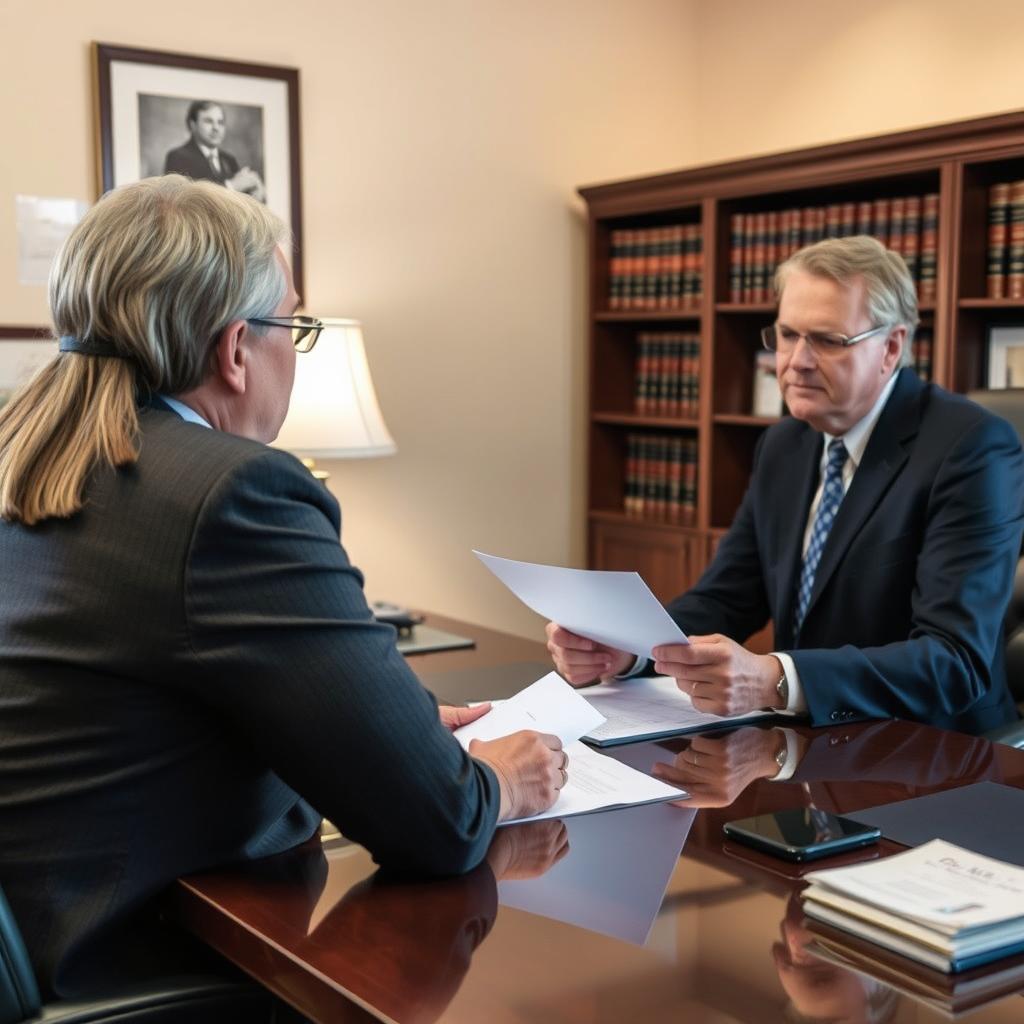
Physical Custody Lawyer Warren County, VA
Physical custody determines where a child lives and the day-to-day caregiving responsibilities of each parent. When parents in Warren County, Virginia, cannot agree on a parenting arrangement, the Juvenile & Domestic Relations District Court—or the Warren County Circuit Court if the matter is part of a divorce—makes the decision based on the best interests of the child. Mr. Sris and his Of Counsel team at Law Offices Of SRIS, P.C. represent parents and guardians in physical custody matters throughout Front Royal, Linden, and the surrounding Shenandoah Valley communities. Whether you are seeking an initial custody determination, a modification because circumstances have changed, or enforcement of an existing order, experienced legal guidance helps you present a clear picture of your child’s needs to the court. For a consultation about physical custody in Warren County, call Law Offices Of SRIS, P.C. at (888) 437-7747. Law Offices Of SRIS, P.C. – Advocacy Without Borders.
What Physical Custody Means in Warren County, Virginia
Physical custody refers to which parent the child lives with on a daily basis. Virginia law draws a distinction between legal custody—the authority to make major decisions about the child’s education, healthcare, and welfare—and physical custody, which addresses the child’s residential schedule. The Juvenile & Domestic Relations District Court at 1 East Main Street, Front Royal, handles standalone custody, visitation, and support petitions, while the Warren County Circuit Court decides custody when it is part of a divorce or equitable distribution proceeding. Both courts apply the ten statutory factors listed in Virginia Code § 20‑124.3, including the child’s age and health, the relationship between the child and each parent, the role each parent has played in the child’s upbringing, and any history of family abuse. The court’s focus is always on what arrangement serves the child’s best interests.
Warren County’s location at the northern entrance to the Shenandoah Valley means that custody matters sometimes involve parents who commute to jobs in Front Royal, Winchester, or even the Northern Virginia suburbs. The court considers how a proposed schedule fits the child’s school, extracurricular activities, and family ties in the community. A parent seeking primary physical custody must demonstrate that the requested arrangement promotes stability and supports the child’s emotional and developmental needs. Mr. Sris and his Of Counsel work with clients to gather school records, witness statements, and other evidence that speaks directly to the statutory factors. They also address practical concerns such as transportation along the I‑66 and Route 340 corridors, which can affect the feasibility of a shared-parenting plan.
How Mr. Sris and His Of Counsel Handle Physical Custody Cases
Every physical custody dispute is built around a specific child and a specific family dynamic. Mr. Sris and his Of Counsel begin by listening closely to your account of the child’s current routine, the other parent’s involvement, and any worries you have about safety or stability. They then identify the documents and witnesses that will help the court understand the family’s actual circumstances. In Warren County, the Juvenile & Domestic Relations District Court often encourages mediation before a contested hearing. The firm prepares clients to participate in mediation productively, while simultaneously readying the case for trial if a negotiated resolution proves impossible.
Because Virginia is an equitable distribution state, property issues sometimes bleed into custody disputes when parents argue over school districts, housing, and the resources available in each household. Mr. Sris and his Of Counsel coordinate with financial professionals when the case demands it, ensuring the parenting-time proposal is realistic given the family’s economic situation. If a parent has moved out of Warren County or is contemplating a move that would disrupt the current schedule, the team also addresses relocation issues under the statutory framework. Above all, they keep the conversation focused on the child’s well‑being and the evidence the judge will find most persuasive.
About Mr. Sris and His Of Counsel Team
Mr. Sris, Owner and Founder of Law Offices Of SRIS, P.C., founded the firm in 1997. A former prosecutor, he has spent his career examining evidence from every angle—a skill that carries directly into the fact-intensive work of a custody case. Mr. Sris and his Of Counsel bring extensive combined legal experience to family law matters across Virginia. Results may vary.
Mr. Sris’s Of Counsel team includes attorneys who have appeared regularly in Warren County courts and who understand local practice and judicial expectations. They approach each custody dispute as a team, drawing on the knowledge of every attorney involved. Clients benefit from a collaborative strategy that addresses both the legal standards and the human side of a custody fight. The firm’s Shenandoah location serves Warren County and the surrounding region; call (888) 437-7747 to schedule a consultation.
Frequently Asked Questions
How is physical custody different from legal custody in Virginia?
Physical custody determines which parent the child lives with, while legal custody gives a parent the right to make major decisions about the child’s upbringing. In many cases, parents share legal custody even when one parent has primary physical custody. The Warren County Juvenile & Domestic Relations District Court can award sole or joint physical custody depending on the best interests of the child, and it often enters a detailed parenting schedule so that both parents know when the child is with each of them. Legal custody is addressed separately and can be shared even when physical custody is not.
What factors does the court consider when deciding physical custody in Warren County?
The court considers the ten statutory factors listed in Virginia Code § 20‑124.3, all of which center on the child’s best interests. Those factors include the child’s age and physical and mental condition, each parent’s age and condition, the relationship between the child and each parent, the needs of the child, the role each parent has played in the child’s life, and any history of family abuse. The judge will also weigh practical considerations such as the child’s school, community ties, and the ability of each parent to support a relationship with the other parent.
Can a physical custody order be modified after it is entered?
Yes, a parent may petition for a modification when there has been a material change in circumstances since the last order. Common reasons include one parent’s relocation, a significant change in a parent’s work schedule, or concerns about the child’s safety or welfare. The parent seeking the change must show the court that the modification serves the child’s best interests. Mr. Sris and his Of Counsel help clients evaluate whether the facts meet the legal standard before bringing a modification action in Warren County.
Do I need a lawyer for a physical custody case in Warren County?
You are not required to hire a lawyer, but physical custody cases involve legal rules, rules of evidence, and court procedures that are difficult to navigate without representation. An experienced attorney can help you organize the facts, present your evidence in a coherent way, and cross‑examine the other parent’s claims. Because the judge’s decision will shape your child’s daily life for years, many parents find that professional guidance improves their ability to present a strong case for the parenting arrangement they believe is best.
What happens if one parent refuses to return the child to the other parent?
If a parent violates a custody or visitation order, the other parent may file a motion for enforcement or contempt in the Warren County Juvenile & Domestic Relations District Court. The court can order makeup parenting time, impose fines, or modify the existing custody arrangement if the violation is serious. In some situations, law enforcement may become involved, but the primary remedy is through the court. A lawyer can help you document the violation and file the appropriate motion so that the matter is brought before the judge quickly.
How does the court handle custody when the parents live in different states?
When parents live in different states, the Uniform Child Custody Jurisdiction and Enforcement Act (UCCJEA) determines which state’s court has authority to decide custody. Usually, the child’s “home state”—the state where the child has lived for the six months immediately before the custody case is filed—has jurisdiction. If the child has recently moved to Virginia, the Warren County court may need to communicate with a court in the prior state. Mr. Sris and his Of Counsel address interstate jurisdictional issues at the outset so that any order entered is enforceable wherever the parents and child reside.
For additional guidance, explore our family law resources in nearby counties:
Family Law Attorney in Clarke County · Family Law Attorney in Shenandoah County · Family Law Attorney in Frederick County · Family Law Attorney in Rockingham County · Family Law Attorney in Augusta County
For official statutory and court information, consult these Virginia primary sources: Virginia Code Title 20 (Domestic Relations) and Warren County Circuit Court.
Attorney advertising. Prior results do not guarantee a similar outcome.
Results may vary.
Case results depend on a variety of factors unique to each case.