
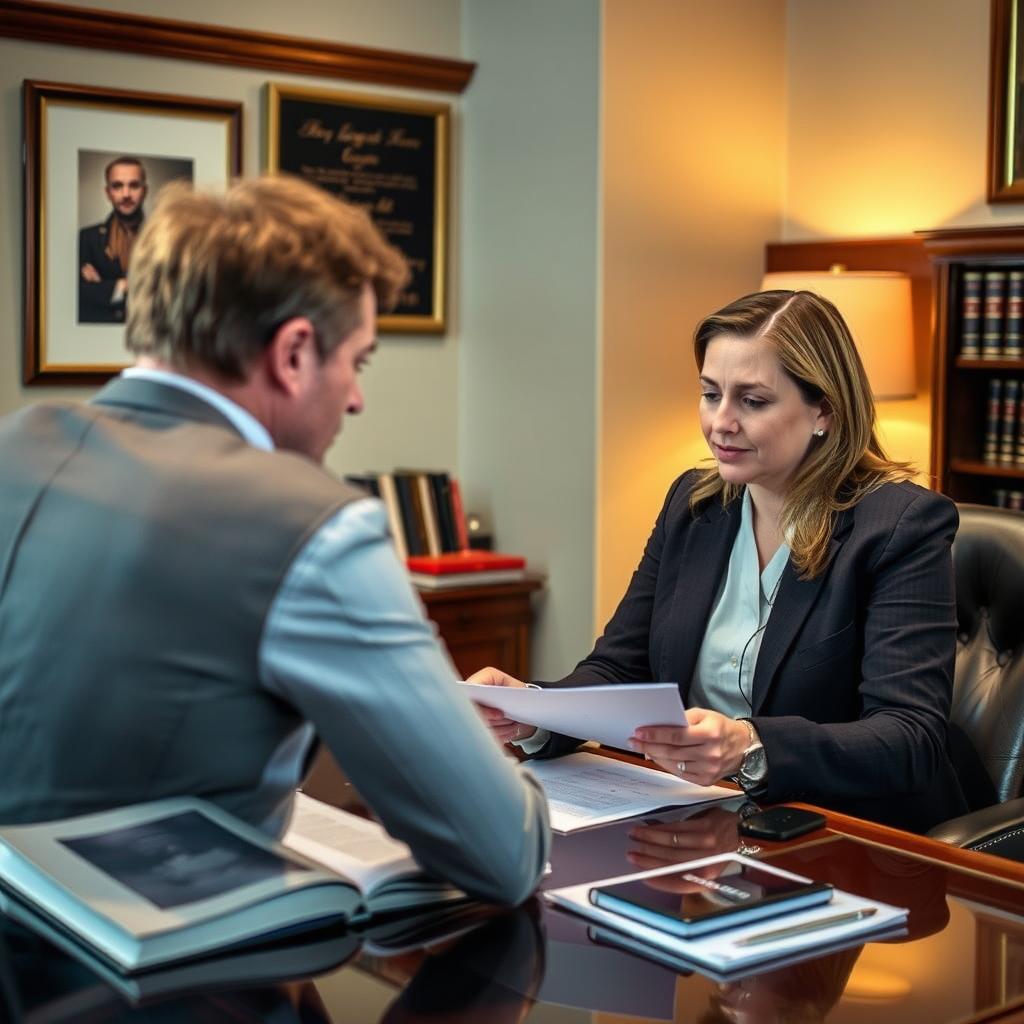
Physical Custody Lawyer Schoharie County, NY
Parents throughout Schoharie County and the Mohawk Valley work hard to create stable, loving homes for their children. When a relationship ends or a family structure changes, deciding where a child will live each day and who will provide day‑to‑day care is one of the most important questions a parent faces. Physical custody determines the child’s primary residence and the routine of daily life—from school mornings to bedtime. In New York, physical custody disputes are decided in the Family Court, not the Supreme Court, and the standard is always the best interests of the child. Whether you are seeking primary physical custody, working out a shared parenting schedule, or responding to a petition filed by the other parent, having an experienced attorney who appears regularly in Schoharie County Family Court can make a significant difference. Mr. Sris and his Of Counsel team represent mothers and fathers in Schoharie County, New York, helping them present their side of the story clearly and advocate for a custody arrangement that supports their child’s well‑being. Reach our New York location at (888) 437‑7747 to request a consultation.
What Physical Custody Means in Schoharie County
Physical custody refers to where a child lives and who is responsible for the child’s daily supervision and care. The parent with physical custody provides the child’s primary home, manages the daily schedule, and makes the ordinary, day‑to‑day decisions that come with raising a child. Physical custody is separate from legal custody, which involves the right to make major decisions about the child’s health, education, and welfare. A court can award sole physical custody to one parent, with the other parent receiving visitation, or it can order shared physical custody where the child spends substantial time in both parents’ homes. New York courts decide physical custody based on the trusted‑interests standard set out in the Domestic Relations Law § 240, and the judge considers a range of factors including each parent’s ability to provide a stable home, the child’s relationship with each parent, and any history of domestic violence or substance abuse.
In Schoharie County, physical custody matters are heard in the Schoharie County Family Court, located at 290 Main Street, Schoharie, New York 12157, part of the state’s 3rd Judicial District. The Family Court handles custody petitions, modifications of existing orders, visitation disputes, and related support matters. While a physical custody case can be filed on its own, it often arises alongside a child support proceeding or a family offense petition seeking an order of protection. Because the Family Court is not a court of record, the proceedings are typically less formal than a Supreme Court divorce trial, but the legal standards are the same: the judge must weigh all relevant factors and decide what serves the child’s best interests. Parents who present clear, organized evidence and who understand the court’s expectations tend to navigate the process more effectively. The communities we serve across the county—including Schoharie, Cobleskill, Middleburgh, Sharon Springs, Richmondville, and Esperance—all fall within the Family Court’s jurisdiction, and our firm’s familiarity with the local calendar and procedures helps clients prepare for each step.
How Mr. Sris and His Of Counsel Handle Physical Custody Cases
Physical custody cases in Schoharie County begin with the filing of a petition, which the other parent must be served. The court typically schedules an initial appearance soon after the petition is filed. At that first court date, the judge may set a schedule for the exchange of information, appoint an attorney for the child if necessary, and address any immediate safety issues. Our firm focuses on thorough preparation from the very start of the case. We work with clients to gather relevant documents, identify potential witnesses, and organize evidence that shows each parent’s involvement in the child’s life—school records, medical appointments, extracurricular activities, and communication between the parties. A well‑prepared parent can demonstrate to the court their commitment to the child’s well‑being and their willingness to support the child’s relationship with the other parent, which New York judges view favorably.
If the parties cannot agree on a custody arrangement, the court may order a forensic evaluation or direct the county’s probation department to conduct a home study. Settlement conferences are a regular part of the process, and many custody disputes resolve through negotiation rather than a full trial. When agreement is not possible, Mr. Sris and his Of Counsel present the client’s case at a hearing. Witnesses testify, documents are introduced, and the judge makes a decision based on the evidence. Because the Family Court retains jurisdiction over the child until the age of eighteen, a parent may seek a modification of physical custody if circumstances change significantly—for example, a parent’s relocation, a change in the child’s needs, or a sustained breakdown in the co‑parenting relationship. Our team helps clients evaluate whether a modification petition is appropriate and, if so, what evidence will be most persuasive to the court. Throughout the process, we keep clients informed about what to expect at each court appearance and work to resolve the matter as efficiently as the situation allows.
About Mr. Sris and His Of Counsel Team
Mr. Sris, Owner and Founder of Law Offices Of SRIS, P.C., has concentrated his practice in family law matters, including physical custody disputes, since founding the firm in 1997. He is admitted to practice in New York, Virginia, Maryland, the District of Columbia, and New Jersey, and his multi‑state experience gives him a broad perspective on how custody issues intersect with relocation, interstate parenting plans, and other complex family dynamics. Mr. Sris appears in Family Court in Schoharie County and understands the expectations of the local bench. He is supported by a team of Of Counsel attorneys who also practice in New York and who bring additional litigation and negotiation experience. Mr. Sris and his Of Counsel bring extensive combined legal experience to every physical custody matter. Results may vary.
The firm approaches each custody case with a focus on the client’s practical goals. For one parent, that may mean securing primary physical custody so the child has a consistent, stable home base; for another, it may mean negotiating a detailed shared‑custody schedule that keeps both parents meaningfully involved. We take time to understand the family’s circumstances, communicate candidly about what the court is likely to do, and advocate firmly but fairly. Our firm serves clients in Schoharie County and throughout the Mohawk Valley from our New York location, and we arrange consultations that fit the client’s schedule.
Frequently Asked Questions
What is physical custody?
Physical custody is the right to have a child live with you and to make the routine day‑to‑day decisions about the child’s care. It is the practical, daily parenting arrangement—determining where the child sleeps, eats, goes to school, and participates in activities. Physical custody can be awarded solely to one parent or shared between both parents. Even when parents share physical custody, the court may designate one parent’s home as the child’s primary residence for school enrollment and other administrative purposes. Physical custody is distinct from legal custody, which involves the authority to make major decisions about the child’s education, medical treatment, and religious upbringing. In New York, a parent may have physical custody without having sole legal custody, and vice versa. The court always decides physical custody based on the child’s best interests.
How does a New York court decide physical custody?
A New York court decides physical custody by applying the trusted‑interests‑of‑the‑child standard and considering the specific facts of the family’s situation. Under Domestic Relations Law § 240, the judge weighs factors such as each parent’s ability to provide a stable home, the child’s relationship with each parent, the mental and physical health of all parties, any history of domestic violence or substance abuse, the child’s wishes if the child is mature enough to express a preference, and each parent’s willingness to support the child’s relationship with the other parent. The court does not favor mothers or fathers automatically; the focus is entirely on what will serve the child’s welfare. The parent who presents clear, credible evidence demonstrating an ability to meet the child’s needs on a day‑to‑day basis is often in the strong $1 to obtain physical custody.
What is the difference between physical custody and legal custody?
Physical custody concerns where a child lives and who supervises the child’s daily routine, while legal custody involves the authority to make important life decisions for the child. A parent with physical custody provides the child’s primary home, arranges the daily schedule, and handles everyday matters. Legal custody gives a parent the right to participate in major decisions about education, health care, and religious upbringing. In many cases, the court orders joint legal custody even when one parent has primary physical custody. Parents who share joint legal custody must consult each other on significant decisions, though the parent with primary physical custody may make routine day‑to‑day choices without the other parent’s input. Understanding this distinction helps parents set realistic expectations about what each custody order actually governs.
Can a physical custody order be modified in Schoharie County?
Yes, a physical custody order can be modified if the parent seeking the change can show a significant change in circumstances and that the modification serves the child’s best interests. Because the Family Court retains jurisdiction over custody until the child turns eighteen, a parent may file a modification petition when the family’s circumstances have materially changed. Common reasons for modification include one parent’s relocation, a change in the child’s needs as the child grows older, a sustained inability of the parents to communicate and co‑parent, or a parent’s failure to follow the existing order. The parent asking for the change must present evidence that the current arrangement is no longer meeting the child’s needs. Our firm assists clients in evaluating whether the facts support a modification petition and, if so, in gathering the documentation and testimony the Family Court will consider at a hearing.
Do I need a lawyer for a physical custody case in Schoharie County?
You are not legally required to have a lawyer for a physical custody case, but representing yourself can be challenging, especially when the other parent has counsel. The Family Court process involves procedural rules, evidentiary requirements, and court deadlines that can be difficult to manage without legal training. A lawyer can help you present your evidence effectively, prepare you to testify, examine the other parent’s witnesses, and advocate for a custody arrangement that meets your child’s needs. An experienced attorney who appears regularly in Schoharie County Family Court will also understand the local judges’ practices and expectations, which can help you avoid missteps. If you are facing a custody dispute, speaking with a lawyer sooner rather than later allows you to understand your options before you take a position that may be hard to change later. For a consultation, reach Mr. Sris and his Of Counsel at (888) 437‑7747.
What should I bring to a consultation about physical custody?
Bring any documents that show your involvement in your child’s daily life, any existing court orders, and a list of specific questions or concerns you have. Helpful items include school records, report cards, attendance records, medical and dental appointment logs, emails or text messages with the other parent about the child’s schedule, and a calendar showing which days the child spends with each parent. If there is an existing custody or visitation order, bring a copy. If a new petition has been filed against you, bring the papers you were served. The goal is to give the attorney a clear picture of your family’s current situation so that the attorney can provide focused advice about what to expect and how to proceed. Being organized helps make the first meeting productive and allows the attorney to give you a realistic assessment of your case.
Contact Law Offices Of SRIS, P.C.
Mr. Sris and his Of Counsel represent parents in physical custody matters throughout Schoharie County, including Schoharie, Cobleskill, Middleburgh, Sharon Springs, Richmondville, and Esperance. To discuss your situation with an experienced family law attorney, reach our New York location at (888) 437‑7747 to schedule a consultation.
More family law legal help near Schoharie County:
New York County (Manhattan) Family Law Lawyer
Kings County (Brooklyn) Family Law Attorney
Queens County (Queens) Family Law Lawyer
Richmond County (Staten Island) Family Law Attorney
Nassau County (Long Island) Family Law Lawyer
Attorney advertising. Prior results do not guarantee a similar outcome.
Case results depend on a variety of factors unique to each case.
Results may vary.