
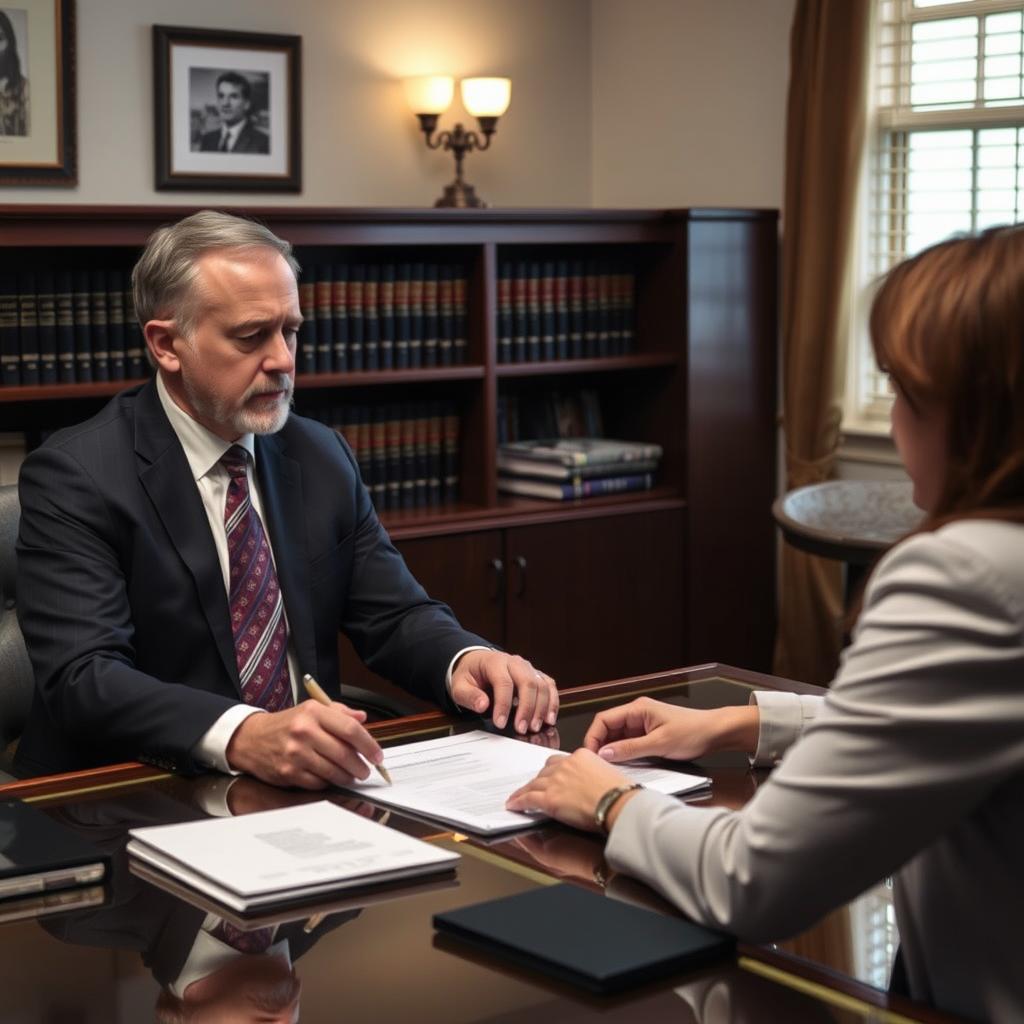
Physical Custody Lawyer Otsego County, NY
Resolving where a child lives and how a physical custody arrangement is structured in Otsego County requires a clear understanding of the local courts and the legal framework they apply. Physical custody refers to the parent with whom the child primarily resides and the day‑to‑day schedule that governs the child’s life. In Otsego County, these matters are heard in the Otsego County Family Court, which has jurisdiction over custody, visitation, and related family law petitions under New York Domestic Relations Law § 240. The court evaluates each parent’s ability to provide a stable, nurturing environment and makes a determination based on the best interests of the child. Because the outcome of a physical custody proceeding can shape a family’s future for years, having experienced legal guidance is important. Mr. Sris and his Of Counsel at Law Offices Of SRIS, P.C. work with parents in Cooperstown, Oneonta, Cherry Valley, and throughout Otsego County to build a record that supports their position while keeping the child’s welfare at the center of the case. For a consultation about your physical custody matter, call (888) 437‑7747. Law Offices Of SRIS, P.C. – Advocacy Without Borders.
What Physical Custody Means in Otsego County
Physical custody in Otsego County is governed by the same statutory framework that applies across New York State, but the way the Family Court applies the law can be influenced by local practice and the resources available in the region. The Otsego County Family Court, located in Cooperstown, handles petitions for custody, visitation, and modifications under the authority of the New York Family Court Act and the Domestic Relations Law. When a parent files for physical custody, the court’s primary concern is the child’s safety, stability, and continued emotional development. The judge considers a range of factors, including each parent’s living situation, work schedule, involvement in the child’s education and healthcare, and any history of domestic violence or substance abuse. The court may also consider the child’s preferences depending on age and maturity, though the weight given to those preferences varies. Because Otsego County includes rural areas and smaller communities, practical considerations such as transportation, school proximity, and access to extended family often play a significant role in the court’s reasoning.
Unlike legal custody, which concerns the right to make major decisions about the child’s welfare, physical custody focuses on the actual day‑to‑day care and residence. In many Otsego County cases, parents share legal custody while one parent has primary physical custody and the other has a defined visitation schedule. The court can also order joint physical custody if it finds that arrangement is in the child’s best interests, though joint physical custody typically requires a high level of cooperation and geographic proximity between the parents. A parent who is not the primary physical custodian still has rights to meaningful access unless the court finds that such access would be detrimental to the child. The Family Court may order supervised visitation, overnight stays, holiday schedules, or transportation arrangements to ensure that the order works for the family’s specific circumstances. Mr. Sris and his Of Counsel have experience presenting these practical considerations to the Otsego County Family Court in a way that aligns with the statutory best‑interests factors.
How Mr. Sris and His Of Counsel Handle Physical Custody Cases
Physical custody matters in Otsego County are not one‑size‑fits‑all; each family’s dynamic, the child’s needs, and the evidence available shape the approach. Mr. Sris and his Of Counsel begin by listening to the parent’s concerns and gathering the information the Family Court is likely to find persuasive. This may include school records, pediatrician letters, witness affidavits from teachers or coaches, and documentation of each parent’s daily involvement in the child’s routine. When domestic violence or other safety concerns are present, they work to present those facts clearly and seek temporary protective orders if warranted. They also help clients understand what the court will expect during a custody hearing—the level of detail, the importance of credibility, and the way the judge weighs each factor under Domestic Relations Law § 240.
The law favors preserving a meaningful relationship between the child and both parents, so the goal is not merely to win a custody battle but to find a sustainable arrangement that works for the child. Mr. Sris and his Of Counsel often explore negotiated settlements through mediation or attorney‑assisted negotiation before resorting to litigation, as an agreed‑upon parenting plan can reduce conflict and lead to more stable outcomes for the child. When litigation is necessary, they appear in the Otsego County Family Court prepared to advocate for a custody plan that reflects the child’s best interests and the client’s legitimate role. Throughout the process, they emphasize clear communication with the client so that decisions are made with a full understanding of the law, the likely timeline, and the potential outcomes. Because physical custody orders are modifiable, they also advise clients on what changes in circumstances may support a future petition for modification.
About Mr. Sris and His Of Counsel Team
Mr. Sris is the Owner and Founder of Law Offices Of SRIS, P.C., a firm that has served clients since 1997. A former prosecutor, Mr. Sris brings the perspective of someone who has handled cases from both sides of the courtroom. His practice concentrates in family law matters across New York, including physical custody, child support, and divorce. Mr. Sris is admitted to practice in New York, Virginia, Maryland, the District of Columbia, and New Jersey. His Of Counsel team consists of experienced attorneys who handle family law matters, each engaged through Excella. Together, Mr. Sris and his Of Counsel bring extensive combined legal experience. Results may vary. The firm’s New York location serves clients in Otsego County by appointment; call (888) 437‑7747 to schedule a consultation.
Law Offices Of SRIS, P.C. focuses on providing straightforward legal guidance without over‑promising. Mr. Sris testified before the Virginia House Courts of Justice Committee in support of 2019 HB 635 (chief patron Del. David Bulova). While that legislative involvement is in Virginia, it speaks to his broader commitment to family law practice. The firm’s multi‑state presence means that if a custody matter involves issues across state lines—for example, one parent lives in a different jurisdiction—the team can address the complexities that arise from overlapping court systems. For families in Cooperstown, Oneonta, and the surrounding Otsego County communities, the firm offers a practical, experience‑based approach to physical custody disputes.
Frequently Asked Questions
What factors does the Otsego County Family Court consider when deciding physical custody?
The court determines physical custody based on the best interests of the child, evaluating factors such as each parent’s stability, the child’s relationship with each parent, and the ability to provide a safe home. Under New York Domestic Relations Law § 240, the court looks at a range of considerations: the child’s age and health, each parent’s physical and mental capacity to care for the child, the quality of the home environment, the willingness of each parent to encourage a relationship with the other parent, and any history of domestic violence. In Otsego County, practical matters like proximity to the child’s school and extended family can also influence the judge’s decision. Because the court has broad discretion, presenting a thorough picture of your involvement in the child’s daily life is critical. For guidance on how the court is likely to apply these factors in your situation, reach Law Offices Of SRIS, P.C. at (888) 437‑7747.
Do I need a lawyer for a physical custody dispute in Otsego County?
You are not required to have a lawyer, but the Otsego County Family Court process is complex and the outcome has long‑term consequences, so working with an experienced family law attorney can help protect your rights. A custody petition requires careful preparation of evidence, proper service on the other parent, and compliance with local court procedures. An attorney can help you avoid procedural missteps, present your evidence in a way that the judge finds compelling, and cross‑examine the other parent’s claims effectively. If the other parent has legal representation, navigating the hearing without an attorney puts you at a disadvantage. Mr. Sris and his Of Counsel have experience appearing in Otsego County Family Court and can guide you through the process from the initial filing through any post‑judgment modifications. To discuss the details of your matter, contact Law Offices Of SRIS, P.C. at (888) 437‑7747.
Can a physical custody order be modified in New York?
Yes, a physical custody order can be modified when there has been a significant change in circumstances affecting the child’s welfare, such as relocation, neglect, or a parent’s inability to care for the child. The parent seeking modification must file a petition in the same Family Court that issued the original order and demonstrate that the requested change serves the child’s best interests. Examples of changed circumstances include a parent’s remarriage, a substantial change in work schedule, or a child’s expressed preference when of sufficient age and maturity. The court will not modify a custody order simply because one parent is unhappy with the arrangement; there must be a material change that justifies reopening the matter. If you believe your situation has changed enough to warrant modification, reach Mr. Sris and his Of Counsel at (888) 437‑7747 to evaluate your options.
What is the difference between physical custody and legal custody?
Physical custody determines where the child lives and which parent handles daily care, while legal custody refers to the right to make major decisions about the child’s health, education, and welfare. In many Otsego County cases, parents share legal custody even when one parent has primary physical custody. That means both parents have a say in decisions such as the child’s schooling, non‑emergency medical care, and religious upbringing. Physical custody, on the other hand, is about the day‑to‑day routine: who takes the child to school, prepares meals, and provides the primary residence. A parent with visitation rights but not physical custody still has a right to meaningful time with the child. The court crafts a schedule that balances the child’s need for stability with the noncustodial parent’s right to maintain a relationship. For a consultation about which type of custody arrangement fits your family’s situation, contact Law Offices Of SRIS, P.C. at (888) 437‑7747.
How does the Family Court enforce a physical custody order in Otsego County?
When a parent violates a custody order, the other parent can file a violation petition in the Otsego County Family Court, which may result in make‑up visitation, fines, or a change in custody. The court takes willful violations seriously. If the custodial parent denies court‑ordered visitation, the judge can order compensatory time, impose financial sanctions, or, in extreme cases, modify physical custody. If the noncustodial parent fails to return the child after visitation, the court can issue a warrant or order law enforcement to assist in returning the child. The parent alleging a violation must provide evidence, such as written communication or a calendar of missed visits. Mr. Sris and his Of Counsel can help you document violations, prepare the petition, and present your case to the Family Court. Call (888) 437‑7747 to discuss enforcement of your existing custody order.
Also explore:
New York County family law lawyer ·
Kings County family law attorney ·
Queens County family law representation ·
Richmond County child custody counsel ·
Nassau County custody lawyer
Attorney advertising. Prior results do not guarantee a similar outcome.
Case results depend on a variety of factors unique to each case.
Results may vary.