
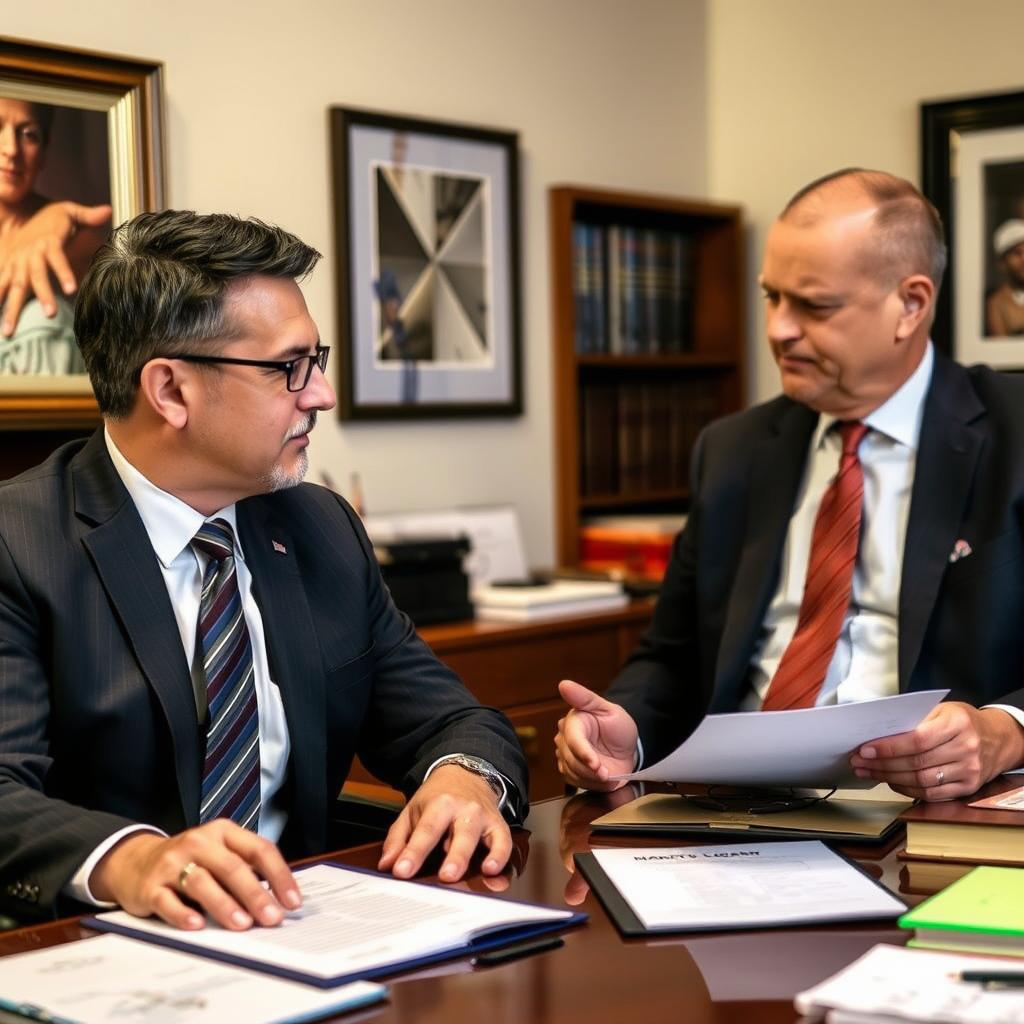
Physical Custody Lawyer Nassau County, NY
Resolving where a child lives after a separation or divorce is one of the most emotionally charged aspects of family law. In Nassau County, New York, parents seeking a fair physical custody arrangement turn to Law Offices Of SRIS, P.C. for skilled guidance. Physical custody determines the child’s primary residence and day‑to‑day care, and the court decides based on the best interests of the child. Mr. Sris, Owner and Founder, and his Of Counsel team offer experienced, multi‑state representation to parents in Mineola, Garden City, Hempstead, Long Beach, Valley Stream, and across the county. They assist with negotiating parenting plans, gathering evidence of parental involvement, and presenting a strong case before the Nassau County Supreme Court or Family Court. Because physical custody directly impacts a child’s stability and relationship with each parent, having a knowledgeable attorney is essential. Law Offices Of SRIS, P.C., founded in 1997, has extensive experience handling New York custody disputes. To discuss how the firm can help with your physical custody matter, call (888) 437‑7747 today to request a consultation.
Law Offices Of SRIS, P.C. – Advocacy Without Borders.
What Physical Custody Means in Nassau County
Physical custody refers to where a child lives on a day‑to‑day basis. It is distinct from legal custody, which gives a parent the right to make major decisions about the child’s upbringing, such as education, health care, and religious training. In a Nassau County family law case, the court may award sole physical custody to one parent or joint physical custody to both, depending on what arrangement best serves the child.
Matters arising from a divorce are heard in the Nassau County Supreme Court, located at 100 Supreme Court Drive, Mineola, New York. If the parents are not married or custody is the only issue, the Nassau County Family Court handles the proceeding. Both courts apply the same statutory standard under New York’s Domestic Relations Law: the best interests of the child. To determine those interests, the court evaluates a range of factors, including each parent’s role in the child’s daily life, the child’s relationship with siblings and extended family, the stability of each home, and any history of domestic violence or substance abuse.
Nassau County communities such as Garden City, Hicksville, Levittown, Freeport, and Rockville Centre have their own local characteristics, but the legal framework remains consistent across the county. The firm’s New York location serves clients from all these areas, helping them understand how the trusted‑interests standard applies to their particular circumstances.
How Mr. Sris and His Of Counsel Handle Physical Custody Cases
Mr. Sris and his Of Counsel take a thorough, client‑focused approach to physical custody matters. They begin by listening carefully to the parent’s goals and concerns, then build a strategy tailored to the facts of the case. Where possible, they seek to negotiate a parenting plan that both parents can accept, often through voluntary mediation or direct settlement discussions. When an agreement cannot be reached, they are prepared to present a compelling case in court.
Preparation is key. The team gathers documentation showing each parent’s involvement in the child’s life—school records, medical appointments, extracurricular activities, and communication between the parents. They may consult with child psychologists, school counselors, or other professionals when helpful to the case. A parent’s willingness to foster a positive relationship between the child and the other parent is often an important factor, and the attorneys help clients present evidence of their collaborative efforts. Throughout the process, Mr. Sris and his Of Counsel keep the client informed and make sure the parent understands the legal options at every stage. They work toward favorable outcomes; Results may vary.
About Mr. Sris and His Of Counsel Team
Mr. Sris, Owner and Founder of Law Offices Of SRIS, P.C., is a former prosecutor who has practiced family law since 1997. He is admitted in Virginia, Maryland, the District of Columbia, New Jersey, and New York. Mr. Sris brings a disciplined case‑analysis approach to physical custody disputes, shaped by his background in the courtroom. He testified before the Virginia House Courts of Justice Committee in support of 2019 HB 635 (chief patron Del. David Bulova).
Mr. Sris works alongside a team of Of Counsel attorneys who concentrate on family law matters. Together, Mr. Sris and his Of Counsel bring extensive combined legal experience. Results may vary. The firm’s New York location, by appointment only, serves clients throughout Nassau County and the broader New York metropolitan area. To discuss your situation, reach Law Offices Of SRIS, P.C. at (888) 437‑7747.
Frequently Asked Questions
What is physical custody in New York?
Physical custody determines where a child resides on a daily basis. It is separate from legal custody, which covers decision‑making authority. A parent with primary physical custody provides the child’s home, while the other parent typically has visitation rights. Courts in Nassau County can award sole physical custody to one parent or joint physical custody to both, depending on the child’s best interests.
How does a court decide physical custody in Nassau County?
The court applies the “best interests of the child” standard. A judge considers the child’s relationship with each parent, the stability of each home, the child’s age and health, any history of abuse, and the child’s own wishes if the child is mature enough. The goal is to create a living arrangement that promotes the child’s safety, emotional well‑being, and development.
Can a parent get sole physical custody?
Yes, a parent can be awarded sole physical custody if the court finds it is in the child’s best interests. This outcome may occur when one parent is unfit, has a history of violence, or is unable to provide a stable environment. The court may also order supervised visitation for the non‑custodial parent if safety concerns exist. Parents seeking sole custody should present clear evidence supporting their request.
How long does a physical custody case take?
The timeline varies depending on whether the case is contested and the court’s calendar. If the parents reach an agreement quickly, a custody order can be entered in a matter of weeks or a couple of months. Disputed cases that require hearings, evaluations, or trial may take significantly longer. Mr. Sris and his Of Counsel work to move the matter forward efficiently while protecting the client’s interests.
Do I need a lawyer for a physical custody case?
You are not required to have a lawyer, but legal representation can be invaluable. An experienced attorney understands the court’s procedures, can help you gather persuasive evidence, and can negotiate a parenting plan that meets your child’s needs. A lawyer also helps ensure that your parental rights are protected and that you are aware of all available legal options.
How is child support affected by physical custody?
The parent with primary physical custody generally receives child support from the other parent. New York uses a statutory formula that considers both parents’ incomes and the number of children. The amount of time each parent spends with the child may also influence the support calculation. In joint physical custody arrangements, support may be adjusted to reflect shared expenses.
Resources for Nassau County Families
For additional information on physical custody and related New York laws, you may consult these official sources:
- New York Domestic Relations Law § 240 — Custody and child support
- Nassau County Supreme Court — 10th Judicial District
- Nassau County Family Court
Related Practice Areas
Family Law Lawyer Nassau County, NY •
Child Custody Lawyer Nassau County, NY •
Child Support Lawyer Nassau County, NY •
Visitation Lawyer Nassau County, NY •
Sole Custody Lawyer Nassau County, NY
Attorney advertising. Prior results do not guarantee a similar outcome.
Case results depend on a variety of factors unique to each case.
Results may vary.