
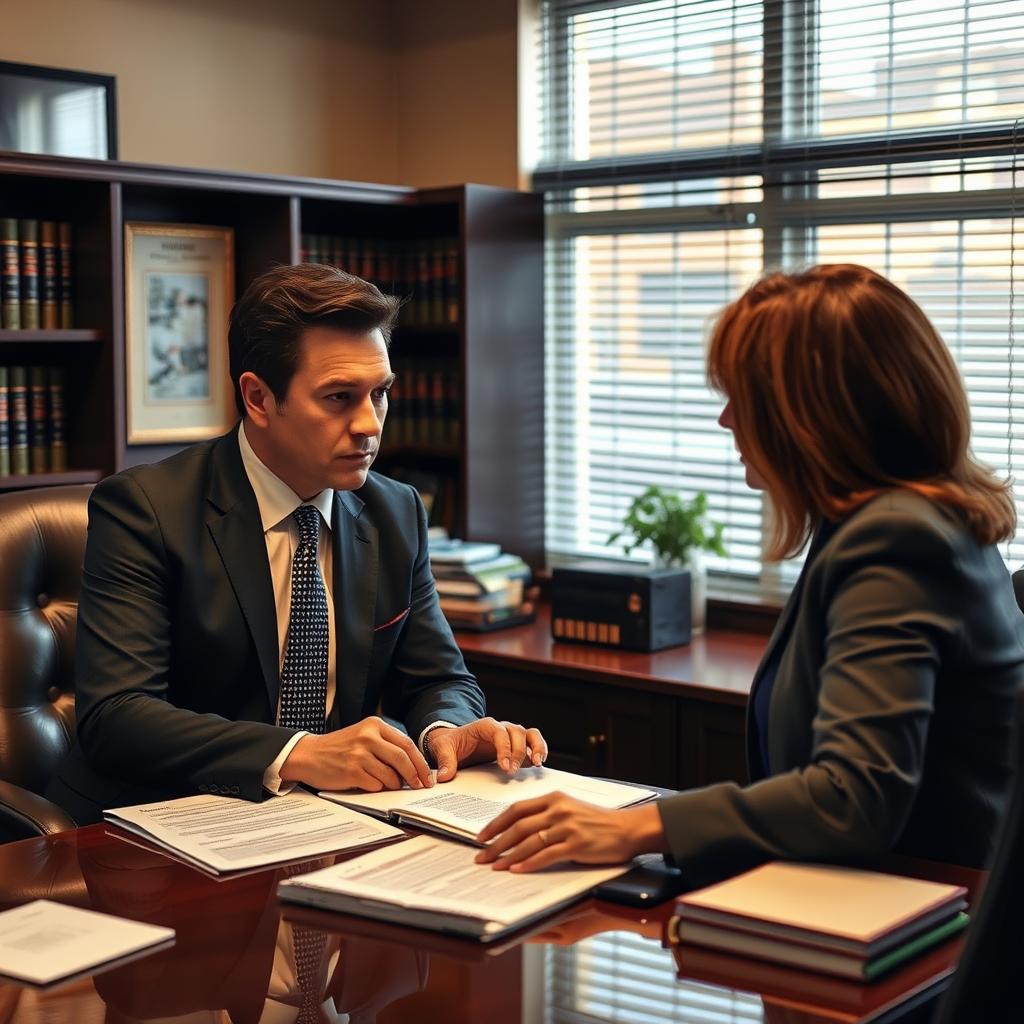
Physical Custody Lawyer Monroe County, NY
When parents in Monroe County separate or divorce, decisions about where a child lives become central to the family law process. The New York courts call this physical custody—the right of a parent to have their child reside with them. For families in Rochester, Irondequoit, Greece, Brighton, Pittsford, Fairport, Henrietta, Webster, Brockport, Penfield, Spencerport, and Gates, a physical custody determination shapes daily life, school enrollment, and the child’s stability. The Monroe County Family Court has jurisdiction over custody petitions when the parents are not married, while the Monroe County Supreme Court addresses custody as part of a divorce. Both courts apply the New York Domestic Relations Law and Family Court Act under a single standard: the best interests of the child. The process involves petitions, negotiations, possible forensic evaluations, and if needed, a trial. Mr. Sris and his Of Counsel at Law Offices Of SRIS, P.C. represent parents in Monroe County custody matters, working to present evidence that supports a stable and nurturing home environment. Reach our firm at (888) 437-7747 to request a consultation. Law Offices Of SRIS, P.C. – Advocacy Without Borders.
What Physical Custody Means in Monroe County, NY
Physical custody in New York refers to the parent with whom the child primarily lives. A parent with sole physical custody has the child the majority of the time, and the other parent typically receives a parenting-time schedule. Joint physical custody means the child splits time between both parents in a manner the court considers practical and in the child’s best interests. The Monroe County Family Court located in the Hall of Justice on Exchange Boulevard handles initial custody petitions and modifications for unmarried parents. When a divorce is pending, the Supreme Court at 99 Exchange Boulevard, Rochester, NY 14614 resolves custody alongside equitable distribution and spousal maintenance.
Monroe County Supreme Court hours: Mon-Fri 9:00AM-5:00PM. Counsel appearing on family law matters should plan filings accordingly.
Judges in Monroe County follow the trusted-interests factors enumerated in DRL § 240 and case-law precedent. The court evaluates each parent’s ability to provide a safe, stable home; the child’s relationship with siblings and extended family; the mental and physical health of everyone involved; any history of domestic violence; and the child’s own preference, depending on age and maturity. Because the court tailors every custody order to the unique facts of the case, working with an attorney who is familiar with Monroe County court practices can help a parent present relevant evidence. Mr. Sris and his Of Counsel appear regularly at the Monroe County Family and Supreme Courts and understand how to frame parenting strengths for the bench.
How Mr. Sris and His Of Counsel Handle Physical Custody Cases
When a parent contacts our firm about a physical custody dispute, we begin by understanding the child’s current living situation and the parent’s goals. Mr. Sris and his Of Counsel then gather records—school reports, medical documents, communication logs—that show the parent’s involvement and ability to provide a stable home. We review any existing court orders and evaluate whether the matter belongs in Family Court or as part of a Supreme Court divorce action. In many cases, we encourage negotiated parenting plans and mediation, because an agreed-upon schedule avoids the stress and unpredictability of a trial.
If litigation is necessary, Mr. Sris and his Of Counsel prepare thoroughly for the hearing. They present testimony, cross-examine the other parent, and may work with child-welfare attorneys when appropriate. Every step is guided by the statutory best-interests framework that Monroe County judges apply. The timeline of a custody case depends on the court’s docket and the complexity of the issues, but each stage—from filing the petition to the final order—is handled with careful attention to the parent’s rights and the child’s wellbeing. Mr. Sris and his Of Counsel work toward favorable outcomes; Results may vary. because prior results do not guarantee a similar outcome.
About Mr. Sris and His Of Counsel Team
Mr. Sris, Owner and Founder of Law Offices Of SRIS, P.C., has practiced law since 1997. He is a former prosecutor and is admitted in Virginia, Maryland, the District of Columbia, New Jersey, and New York. Mr. Sris testified before the Virginia House Courts of Justice Committee in support of 2019 HB 635 (chief patron Del. David Bulova). His firm serves clients across a broad geographic footprint, and its New York location handles family law matters throughout Monroe County and the Finger Lakes region.
Mr. Sris leads a team of Of Counsel attorneys who bring substantial collective legal experience to family law disputes. Together, they address custody, visitation, child support, and post-decree modifications. The firm’s multi-state practice gives it a wide lens on family law issues, while the local presence in New York ensures familiarity with Monroe County court procedures. Law Offices Of SRIS, P.C. maintains a collaborative approach: Mr. Sris and his Of Counsel work together on strategy, keeping the parent informed at every stage.
Frequently Asked Questions
What factors does a Monroe County court consider when deciding physical custody?
The court considers the best interests of the child based on a list of factors in New York’s Domestic Relations Law and Family Court Act. Judges evaluate each parent’s ability to provide a stable home, the child’s relationships with siblings and extended family, the parents’ mental and physical health, any history of domestic violence or substance abuse, and the child’s own wishes if the child is mature enough to express a preference. The court also looks at each parent’s willingness to encourage a relationship with the other parent. Because Monroe County judges weigh these factors individually, the outcome depends heavily on the specific evidence presented.
Can physical custody orders be modified in New York?
Yes, a parent may seek a modification of a physical custody order if they can show a significant change in circumstances. New York courts require the moving parent to prove that the change has occurred since the prior order and that modifying custody would serve the child’s best interests. Common grounds for modification include a parent’s relocation, a change in the child’s needs, or evidence that the current arrangement is no longer safe. The petition is filed in the same court that issued the original order, and the process can involve mediation or a hearing. Prompt action is important because the court will not entertain repetitive requests without new facts.
Do I need a lawyer for a physical custody case in Monroe County?
While you are not required by law to retain a lawyer, having experienced counsel is strongly advisable because custody cases involve complex procedural and evidentiary rules. A lawyer can help you gather admissible evidence, prepare a persuasive parenting plan, and present your case effectively before a Monroe County judge. Self-represented parents often struggle with hearsay rules, document authentication, and cross-examination. Mr. Sris and his Of Counsel handle physical custody matters across the Funger Lakes region and work to protect the parent-child relationship.
How does the court handle relocation and physical custody in Monroe County?
A parent who has physical custody and wants to move with the child must obtain either the other parent’s consent or a court order permitting the relocation. Monroe County courts examine whether the move would enhance the child’s quality of life—considering factors such as better schools, proximity to extended family, or improved employment for the custodial parent. The non-custodial parent has an opportunity to object, and the court will balance the child’s best interests against the custodial parent’s right to relocate. Because relocation disputes can be contentious, working with a lawyer early helps frame the request in terms the court considers persuasive.
What is the difference between physical custody and legal custody?
Physical custody determines where the child lives; legal custody gives a parent the right to make major decisions about the child’s upbringing, including education, healthcare, and religion. A parent may have sole physical custody while sharing joint legal custody with the other parent. New York courts generally presume joint legal custody is in the child’s best interests unless there is a history of abuse, neglect, or an inability to cooperate. Both forms of custody are addressed separately in a Monroe County custody order, and each can be modified if circumstances change.
For additional resources, explore our related pages:
- Family Law Lawyer New York County (Manhattan), NY
- Family Law Lawyer Kings County (Brooklyn), NY
- Family Law Lawyer Queens County, NY
- Family Law Lawyer Richmond County (Staten Island), NY
- Family Law Lawyer Nassau County, NY
Attorney advertising. Prior results do not guarantee a similar outcome.
Case results depend on a variety of factors unique to each case.
Results may vary.