
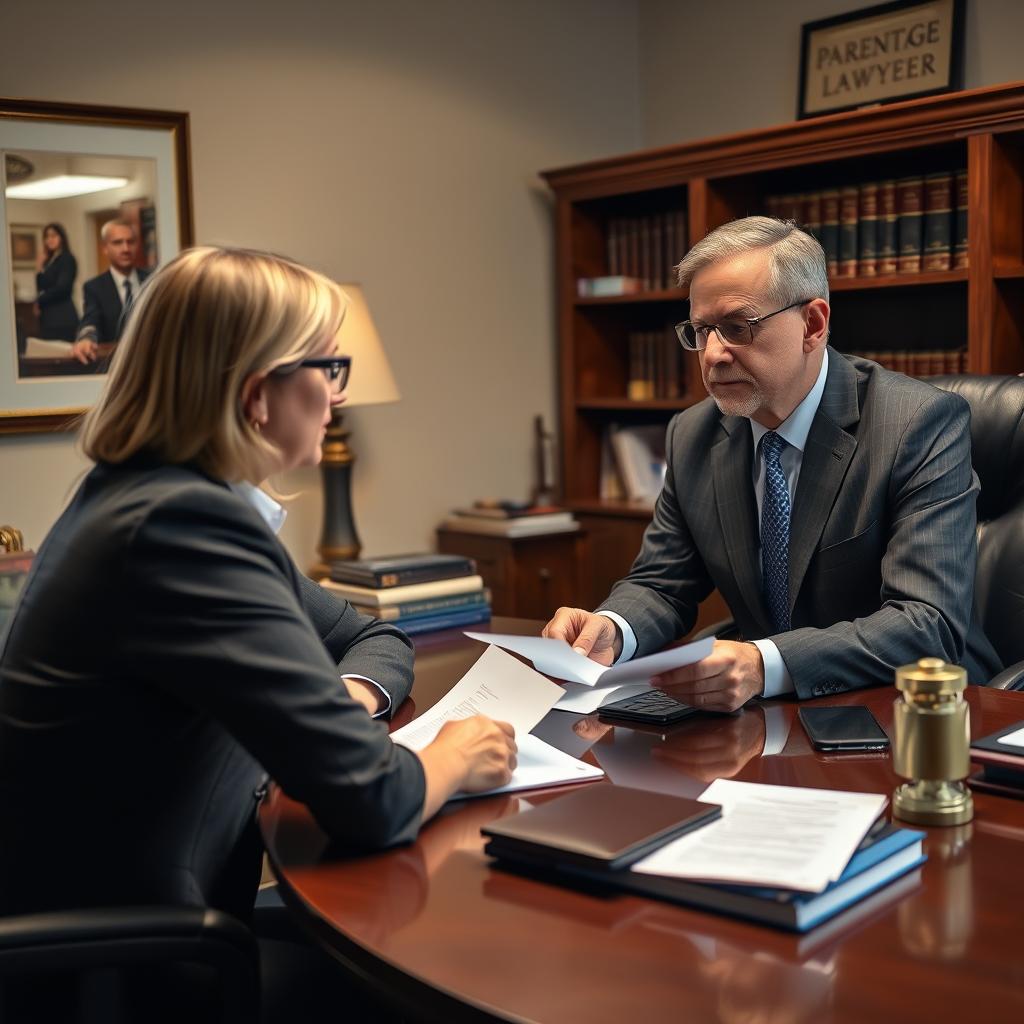
Parentage Lawyer Cattaraugus County, NY
When a child’s parentage is in question, the legal process of establishing a parent‑child relationship can have lasting consequences for custody, support, and inheritance. In Cattaraugus County, New York, parentage actions are often brought in the Cattaraugus County Family Court, located in Little Valley. Mr. Sris and his Of Counsel team at Law Offices Of SRIS, P.C. represent mothers, fathers, and other interested parties in parentage proceedings throughout Western New York. The firm’s attorneys bring extensive combined legal experience to these sensitive family law matters, working to protect the rights of all parties while keeping the child’s best interests at the forefront. To discuss your parentage case, reach our New York location at (888) 437-7747.
What Parentage Means in Cattaraugus County, New York
Under New York law, parentage refers to the legal relationship between a child and a parent. It determines rights and obligations, including custody, visitation, and financial support. Parentage may be established in several ways: by giving birth, by marriage to the child’s mother at the time of birth, by a voluntary acknowledgment of parentage, or by a court order after a hearing. In Cattaraugus County, parentage disputes are generally resolved in the Cattaraugus County Family Court, which has jurisdiction over paternity, maternity, and related child support and custody matters.
The New York Family Court Act and Domestic Relations Law provide the statutory framework for parentage proceedings. When a child is born to unmarried parents, a parentage petition may be filed to establish the legal father or second parent. Genetic marker testing is frequently used as evidence in these cases. The court may order DNA testing to determine biological parentage. Once parentage is legally established, the court can issue orders concerning child support, custody, and visitation. The court’s paramount consideration is the best interests of the child, and the process is designed to ensure that children have the financial and emotional support of both legal parents.
How Mr. Sris and His Of Counsel Handle Parentage Cases
Mr. Sris and his Of Counsel take a thorough, personalized approach to each parentage matter. They begin by understanding the client’s goals—whether it is to establish parentage to secure child support, gain custody or visitation rights, or challenge an alleged parent‑child relationship. The legal team then gathers evidence, including birth records, acknowledgments, and any existing custody orders, and prepares the necessary petitions and supporting documents for filing with the Cattaraugus County Family Court.
Depending on the circumstances, the case may involve genetic testing. The attorneys coordinate with accredited testing laboratories and ensure that the results are properly introduced into evidence. They represent clients at all court appearances, including preliminary hearings and trial, presenting arguments and examining witnesses. If parentage is disputed, the firm advocates vigorously while seeking resolutions that serve the child’s welfare. Throughout the process, Mr. Sris and his Of Counsel work to protect their clients’ rights and keep them informed of each step’s significance.
About Mr. Sris and His Of Counsel Team
Mr. Sris, Owner and Founder of Law Offices Of SRIS, P.C., founded the firm in 1997. He is a former prosecutor with experience in trial work, and his background provides valuable insight into courtroom dynamics and evidence handling. Mr. Sris is admitted to practice in New York, Virginia, Maryland, the District of Columbia, and New Jersey, allowing the firm to serve clients across multiple jurisdictions. Mr. Sris and his Of Counsel bring extensive combined legal experience to family law matters, including parentage cases. Results may vary.
The firm’s Of Counsel attorneys are experienced family law practitioners who work collaboratively with Mr. Sris. Together, they bring a practical, client‑focused perspective to parentage litigation. The team’s familiarity with the procedures and expectations of the Cattaraugus County Family Court helps clients navigate the legal process with confidence. For representation in a parentage matter, reach our New York location at (888) 437-7747.
Frequently Asked Questions
What is a parentage action in New York?
A parentage action is a legal proceeding to establish or challenge the legal parent‑child relationship. In New York, these actions are brought under the Family Court Act and Domestic Relations Law. They can determine paternity, maternity, or de facto parentage, and they can be initiated by a mother, father, child, or legal representative. Once parentage is established, the court may order child support, custody, and visitation. For guidance on your specific situation, reach Law Offices Of SRIS, P.C. at (888) 437-7747.
Who can file a parentage petition in Cattaraugus County?
A parentage petition in Cattaraugus County may be filed by the mother, the father, the child, or a representative of the child. The petitioner must have a legal interest in establishing parentage. Common scenarios include a mother seeking child support from the alleged father, a father seeking custody or visitation, or a child seeking support. The Cattaraugus County Family Court in Little Valley has jurisdiction over these petitions. To discuss the details of your matter, contact Law Offices Of SRIS, P.C. at (888) 437-7747.
Do I need a lawyer for a parentage case?
You are not legally required to have a lawyer for a parentage case, but experienced legal counsel can be essential to protecting your rights. Parentage actions involve complex legal standards and can have lasting effects on child custody, support, and parental rights. An attorney can help you gather evidence, prepare pleadings, negotiate agreements, and present your case in court. For a consultation, reach Mr. Sris and his Of Counsel at (888) 437-7747.
What evidence is used to establish parentage?
Parentage may be established by a voluntary acknowledgment, genetic marker testing, or other evidence of a parent‑child relationship. In New York, DNA testing is often ordered when parentage is disputed. The court may also consider testimony, medical records, and the circumstances of the child’s birth. Once parentage is legally established, the court can issue orders regarding support, custody, and visitation. To discuss how evidence applies to your case, reach Law Offices Of SRIS, P.C. at (888) 437-7747.
How long does a parentage case take in Cattaraugus County?
The timeline for a parentage case varies depending on factors such as whether parentage is contested, the need for genetic testing, and the court’s schedule. Uncontested cases may be resolved relatively quickly, while contested cases that require a trial can take longer. The Cattaraugus County Family Court schedules hearings on its calendar, and the parties are expected to comply with applicable deadlines. For a more specific assessment of your matter, contact our firm at (888) 437-7747.
What happens after parentage is established?
Once parentage is legally established, the court may issue orders regarding child support, custody, and visitation. The amount of child support is generally determined under the guidelines of the New York Child Support Standards Act. The court may also decide custody and parenting time based on the best interests of the child. Enforcement of these orders is available through the Family Court. For guidance on post‑parentage matters, reach Law Offices Of SRIS, P.C. at (888) 437-7747.
India is not a signatory to the 1980 Hague Convention on Civil Aspects of International Child Abduction.
For family law representation in other New York counties, see our pages for: Family Law Lawyer New York County, Family Law Lawyer Kings County, Family Law Lawyer Queens County, and Family Law Lawyer Nassau County.
Attorney advertising. Prior results do not guarantee a similar outcome. Case results depend on a variety of factors unique to each case. Results may vary.