
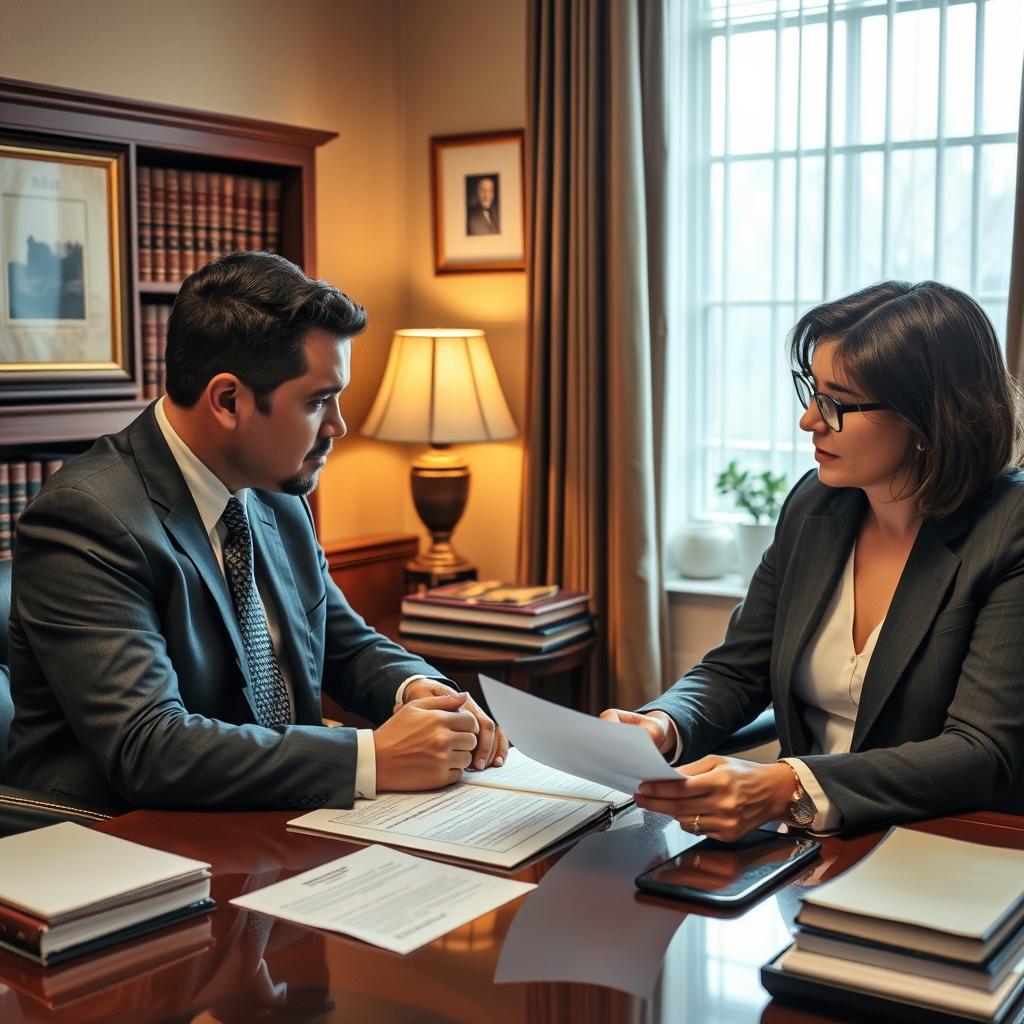
Order of Protection Lawyer Tioga County
An Order of Protection Lawyer Tioga County handles cases under New York Family Court Act Article 8. These orders restrict contact between individuals in family or household relationships. Law Offices Of SRIS, P.C. —Advocacy Without Borders. provides defense against false allegations and helps petitioners secure necessary protections. The Tioga County Family Court enforces these orders with serious penalties for violations. (Confirmed by SRIS, P.C.)
Statutory Definition of Orders of Protection in New York
New York Family Court Act § 842 classifies an order of protection as a civil court mandate with criminal penalties for violations. The maximum penalty for a willful violation is up to one year in jail. This statute authorizes the Tioga County Family Court to issue orders protecting family or household members. The law defines “family or household members” broadly. It includes spouses, former spouses, parents, children, and people related by blood or marriage. Individuals who have a child in common also qualify. People in an intimate relationship, regardless of gender, are covered. The order can direct a respondent to stay away from the petitioner. It can also direct them to stay away from the petitioner’s home, school, or workplace. The court can order the respondent to refrain from communication. This includes communication by mail, telephone, or electronic means. The order can grant temporary custody of children. It can also award temporary child or spousal support. The court can order the respondent to participate in counseling. The duration of a final order can be up to two years. It can be extended up to five years under certain circumstances. Violation is a Class A misdemeanor under New York Penal Law § 215.50. This carries potential jail time and fines. Understanding this legal framework is critical for any Order of Protection Lawyer Tioga County.
What is the legal basis for an order in Tioga County?
The legal basis is New York Family Court Act Article 8. This article governs family offense proceedings for Tioga County residents. Petitioners must prove a family offense occurred by a preponderance of the evidence. Common allegations include harassment, disorderly conduct, or assault. The court’s jurisdiction depends on the relationship between the parties. An experienced Order of Protection Lawyer Tioga County can challenge insufficient petitions.
Who can file for an order in Tioga County Family Court?
Any person related by blood or marriage, or who has an intimate relationship, can file. This includes current or former spouses, parents, children, and siblings. Unrelated persons who have a child in common are also eligible. Individuals who are or have been in an intimate relationship qualify. The relationship definition is interpreted broadly by Tioga County judges. A lawyer can assess if your situation meets the statutory criteria.
What is the difference between a temporary and final order?
A temporary order is issued ex parte without the respondent present. It provides immediate protection until a full hearing. A final order is issued after a hearing where both parties testify. The petitioner must prove their case at this hearing. Temporary orders in Tioga County typically last until the next court date. Final orders can last for several years. An attorney ensures your rights are protected at both stages.
The Insider Procedural Edge in Tioga County
The Tioga County Family Court is located at 16 Court St, Owego, NY 13827. All family offense petitions for an order of protection are filed here. The court clerk’s Location handles initial filings and temporary order requests. Filing fees may be waived for petitioners who qualify based on income. The court requires specific forms to initiate a family offense proceeding. These forms detail the alleged incidents and the requested relief. Procedural specifics for Tioga County are reviewed during a Consultation by appointment at our Tioga County Location. The court typically schedules a return date within a few weeks. This date is for the respondent to appear and answer the petition. If a temporary order is granted, it is served by law enforcement. The Tioga County Sheriff’s Location often handles this service. Respondents must appear on the return date to contest the allegations. Failure to appear can result in a default judgment. The court may order both parties to mediation in some cases. This is not appropriate where there is a history of violence. Hearings are conducted before a Family Court judge. The rules of evidence apply, though they are less formal than criminal court. Having a lawyer familiar with these local procedures is a significant advantage. Learn more about Virginia legal services.
What is the timeline for an order of protection case?
The timeline from filing to hearing is usually several weeks. A temporary order can be issued the same day if the court finds good cause. The full hearing for a final order is scheduled on the return date. This hearing may be adjourned if more time is needed for preparation. The entire process can take one to three months in Tioga County. An attorney can help handle potential delays.
What are the filing fees and costs involved?
The standard filing fee for a family offense petition is set by state law. This fee can be waived for petitioners who file an affidavit of indigency. There are no fees for serving the temporary order through the sheriff. If you hire an Order of Protection Lawyer Tioga County, legal fees apply. SRIS, P.C. discusses all costs during an initial case review.
How are emergency orders handled after hours?
After-hours emergency orders are obtained through local law enforcement. The Tioga County Sheriff or local police can contact an on-call judge. The judge can issue a temporary order of protection by phone. This order is valid until the next business day. The petitioner must then go to the Family Court to file a formal petition. A lawyer can guide you through this emergency process.
Penalties & Defense Strategies
The most common penalty for violating an order is up to one year in jail. Violation is a criminal contempt charge under New York law. The court imposes penalties based on the severity of the violation. Judges in Tioga County take these violations very seriously. Even minor contact can result in arrest and prosecution. A strong defense requires immediate legal intervention. Learn more about criminal defense representation.
| Offense | Penalty | Notes |
|---|---|---|
| Willful Violation of Order of Protection | Up to 1 year jail | Class A misdemeanor under PL § 215.50 |
| Criminal Contempt in the Second Degree | Up to 1 year jail | Common charge for disobeying court order |
| Fines for Violation | Up to $1,000 | Judge may impose fines also to jail |
| Probation Sentence | Up to 3 years | Alternative to incarceration with strict conditions |
| Mandatory Counseling | Court-ordered program | Often required as part of sentencing |
[Insider Insight] Tioga County prosecutors aggressively pursue violations of orders of protection. They often seek jail time for any contact, even if non-violent. The District Attorney’s Location works closely with the Family Court. They prioritize cases with any allegation of physical threat. Early negotiation by a skilled attorney can sometimes mitigate the charges. The goal is to avoid a permanent criminal record.
What are the consequences for a first-time violation?
A first-time violation can still result in jail time. The court may consider alternative sentencing like probation. A conviction will appear on your permanent criminal record. This can affect employment, housing, and professional licenses. It can also impact child custody and visitation decisions. An attorney fights to minimize these long-term consequences.
How does an order affect firearm rights in New York?
An order of protection often requires immediate surrender of firearms. New York law prohibits firearm possession under a final order. This applies to all licenses to carry or possess firearms. The Tioga County Sheriff will suspend your pistol permit. Failure to surrender weapons is a separate criminal offense. A lawyer can advise on the process for reclaiming firearms after the order ends.
Can an order be modified or terminated early?
An order can be modified or terminated by filing a motion with the court. The party seeking the change must show a substantial change in circumstances. Both parties have the right to a hearing on the motion. The judge in Tioga County will consider the safety of the petitioner. Modifications are not granted lightly. Legal representation is essential for this process. Learn more about DUI defense services.
Why Hire SRIS, P.C. for Your Tioga County Case
Bryan Block, a former law enforcement officer, leads our Tioga County defense team. His background provides unique insight into how these cases are investigated. He understands the tactics used by police and prosecutors. This perspective is invaluable for building a strong defense strategy. SRIS, P.C. has extensive experience in Tioga County Family Court. We know the judges, court staff, and local procedures.
Our firm provides focused representation for order of protection matters. We defend respondents against false or exaggerated allegations. We also assist petitioners in securing necessary legal protections. Our approach is direct and strategic from the first consultation. We analyze the petition and the evidence against you. We identify weaknesses in the petitioner’s case. We prepare for hearings with thorough witness examination. We negotiate with opposing counsel when appropriate. We litigate aggressively when settlement is not possible. SRIS, P.C. has a track record of achieving favorable outcomes. We work to have orders dismissed, modified, or denied. We protect your rights and your future. You need a lawyer who will stand up for you in court. Call us to discuss your specific situation in Tioga County.
Localized FAQs for Tioga County
How long does an order of protection last in Tioga County?
A temporary order lasts until your next court hearing. A final order from Tioga County Family Court can last up to two years. The judge sets the duration based on the case circumstances. Orders can be extended upon a showing of continued need.
Can I get an order of protection without a lawyer in Tioga County?
You can file the petition forms yourself at the courthouse. The court clerks cannot give you legal advice. handling the hearing process without an attorney is risky. The other side may have legal representation. SRIS, P.C. strongly recommends having counsel. Learn more about our experienced legal team.
What happens if the petitioner violates the order in Tioga County?
The order binds both parties listed on the document. If the petitioner contacts the respondent, it may be a violation. The respondent should document all contact attempts. Report violations to the Tioga County Sheriff or local police. The court can modify the order terms if needed.
Does an order of protection show up on a background check in New York?
A civil order of protection may appear in certain database searches. A criminal conviction for violating an order will definitely appear. This can affect job applications, security clearances, and housing. An attorney can discuss potential long-term impacts on your record.
How much does an order of protection lawyer cost in Tioga County?
Legal fees depend on the complexity of your case. Factors include whether you are the petitioner or respondent. The number of court hearings required also affects cost. SRIS, P.C. provides a clear fee structure during your initial consultation. We discuss all potential costs upfront.
Proximity, CTA & Disclaimer
Our Tioga County Location serves clients throughout the region. We are accessible from Owego, Newark Valley, and Spencer. The Tioga County Family Court is centrally located for all proceedings. Consultation by appointment. Call 24/7. Our team is ready to discuss your order of protection case. We provide direct legal advice for your specific situation. Contact SRIS, P.C. to schedule a case review today.
Past results do not predict future outcomes.