
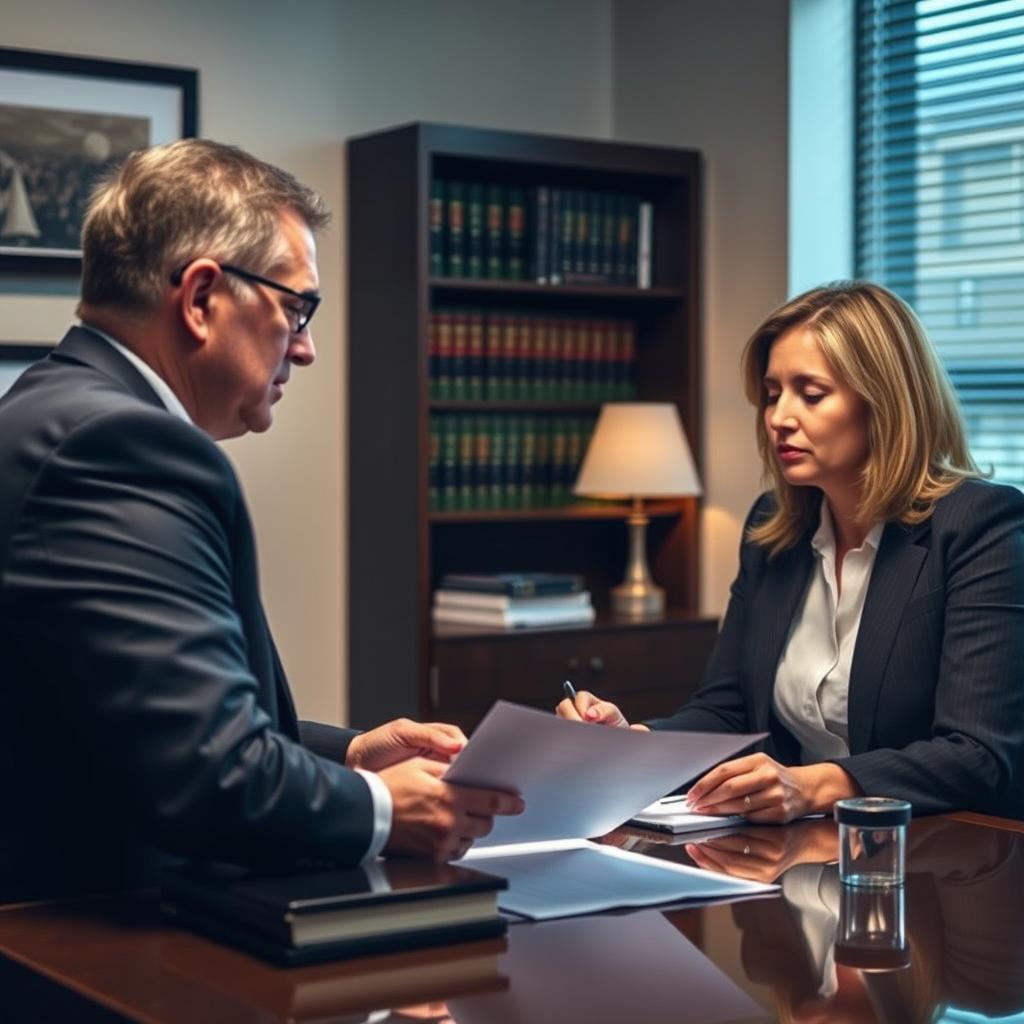
Military Divorce Lawyer Queens County
You need a Military Divorce Lawyer Queens County to handle the unique federal and state laws governing service member cases. The Servicemembers Civil Relief Act and New York Domestic Relations Law create specific protections and procedures. Law Offices Of SRIS, P.C. —Advocacy Without Borders. Our Queens County Location provides direct counsel on division of military pensions, child support calculations, and deployment delays. (Confirmed by SRIS, P.C.)
Statutory Definition of Military Divorce in New York
Military divorce in Queens County is governed by New York Domestic Relations Law and the federal Servicemembers Civil Relief Act (SCRA). These laws provide specific rules for jurisdiction, asset division, and support when one or both spouses are in the military. A Military Divorce Lawyer Queens County must handle both state statutes and federal protections. The SCRA offers active-duty members a stay of proceedings if service affects their ability to appear. New York law dictates how military pensions are divided as marital property. Understanding these overlapping frameworks is critical for a fair outcome.
Primary Governing Statutes: New York Domestic Relations Law Article 13 & The Servicemembers Civil Relief Act (50 U.S.C. § 3901 et seq.). The SCRA is not a penal statute but a protective federal act that mandates procedural safeguards for active-duty service members in civil actions, including divorce. Its provisions directly impact timelines and the ability of a Queens County court to enter a default judgment.
How is jurisdiction determined for a military divorce in Queens County?
Jurisdiction in Queens County requires meeting New York’s residency or military presence rules. Either spouse must be a resident of New York for a continuous period before filing. If the service member is stationed in New York but claims legal residency elsewhere, specific rules apply. A service member can file in New York if they are stationed within the state. The non-military spouse can file in Queens County if they meet the residency requirement. Proper jurisdiction is the first legal hurdle in any military divorce case.
What is the 10/10 rule for military pension division?
The 10/10 rule is a directive from the Defense Finance and Accounting Service (DFAS) for direct payment. DFAS will directly pay the former spouse their share of the military pension if the marriage overlapped military service for at least 10 years. The overlap must also include 10 years of creditable service towards retirement. If the 10/10 rule is not met, the pension is still divisible under New York law. The court can order the service member to make direct payments. This rule affects the mechanics of enforcement, not the right to a share.
How does the SCRA affect a divorce timeline in Queens County?
The SCRA can delay divorce proceedings for active-duty members deployed or stationed away. A service member can request a stay of proceedings for at least 90 days upon application to the court. The court must grant the stay if military service materially affects the member’s ability to defend the case. This can extend the timeline for a Queens County divorce significantly. The stay can be renewed at the court’s discretion. This protection prevents default judgments based on a service member’s unavoidable absence. Learn more about Virginia family law services.
The Insider Procedural Edge in Queens County Family Court
Your case will be heard at the Queens County Supreme Court, Civil Term, Matrimonial Part. The address is 88-11 Sutphin Blvd, Jamaica, NY 11435. This court handles all contested matrimonial actions in Queens County. Procedural specifics for Queens County are reviewed during a Consultation by appointment at our Queens County Location. Filing fees and motion schedules are set by the New York Unified Court System. Knowing which courtroom and judge is assigned is a tactical advantage. Local rules on motion practice and discovery deadlines are strictly enforced.
What are the key filing procedures for a military divorce in Queens County?
You start by filing a Summons with Notice or a Summons and Verified Complaint. The filing fee for an Index Number in Queens County Supreme Court is currently $210. Service of process on a deployed service member follows strict SCRA guidelines. Alternative service methods may require court approval. The initial filing must accurately state grounds for divorce and jurisdictional facts. Errors in the initial pleadings can cause significant delays. A Military Divorce Lawyer Queens County ensures all procedural steps comply with both state and federal law.
How are temporary orders handled for deployed parents?
Temporary orders for child custody and support are addressed through expedited motions. A non-deployed parent can file an Order to Show Cause for temporary relief. The court will consider the deployed parent’s ability to participate via affidavit or teleconference. Temporary orders can establish a parenting schedule and support amounts during the divorce. These orders remain in effect until a final judgment is entered. The court aims to provide stability for children despite a parent’s military obligations.
Penalties, Financial Impacts, and Defense Strategies
The most common financial impact is the division of military retirement pay and benefits. This is not a penalty but a mandated equitable distribution of marital assets under New York law. The court also determines child support based on combined parental income and military allowances. Spousal maintenance calculations consider the length of the marriage and the military member’s pay grade. Failure to comply with court orders can result in contempt findings. A strategic defense focuses on accurate valuation and lawful support calculations. Learn more about criminal defense representation.
| Financial Issue | Potential Outcome | Legal Notes |
|---|---|---|
| Military Pension Division | Up to 50% of the marital portion | Governed by NY DRL § 236(B)(5) & USFSPA. |
| Child Support | Based on NY CSSA & military pay (including BAS/BAH) | Income includes basic pay, allowances, and special pay. |
| Spousal Maintenance | Determined by NY DRL § 236(B)(6) factors | Duration often tied to years of marriage. |
| SCRA Stay Violation | Default judgment may be vacated | A core protective right for active-duty members. |
[Insider Insight] Queens County judges are familiar with military pay structures but require clear documentation. Prosecutors in family court (law guardians, support magistrates) scrutinize Leave and Earnings Statements (LES) to verify income. Presenting a complete pay history, including deployments and special pays, is essential. Assumptions about “off-limits” military pay are often incorrect. Local practice expects precise calculations for support using all available income streams.
What is the impact of a divorce on military benefits like TRICARE?
TRICARE eligibility for a former spouse depends on the 20/20/20 rule. A former spouse loses direct TRICARE eligibility if the marriage did not last 20 years overlapping 20 years of service. The 20/20/15 rule may allow one year of transitional coverage. The court can order the service member to provide alternative health coverage. This is a critical financial consideration in settlement negotiations. Loss of benefits significantly impacts the non-military spouse’s post-divorce security.
Can a service member be held in contempt for missing court dates due to deployment?
No, not if the SCRA protections are properly invoked. The service member must provide their commanding officer’s letter detailing the deployment. The court must grant a stay of proceedings upon a proper SCRA application. Failure to appear after a proper stay is granted is not grounds for contempt. However, failing to request the stay can lead to a default judgment. Proactive legal action is required to secure these protections.
Why Hire SRIS, P.C. for Your Queens County Military Divorce
Our lead attorney for military family law matters has direct experience with the Uniformed Services Former Spouses’ Protection Act. This attorney has represented both active-duty members and their spouses in complex pension division cases. SRIS, P.C. has achieved favorable outcomes in Queens County, including equitable divisions and support orders. We understand the pressure of military life and legal deadlines. Our approach is direct and focused on your specific objectives. We prepare every case for trial while seeking efficient settlements. Learn more about personal injury claims.
Designated Counsel: Our military divorce team includes attorneys versed in federal military law and New York matrimonial practice. They have handled cases involving all branches of service. Their knowledge extends to DFAS procedures and military benefit regulations. This specific experience is applied directly to your case in Queens County Supreme Court.
Localized FAQs for Military Divorce in Queens County
What is the residency requirement for filing for divorce in Queens County if I am in the military?
You or your spouse must meet New York’s residency rules. Continuous residence for a specific period before filing is required. Military station orders in New York can also establish jurisdictional grounds. Consult an attorney to review your specific situation.
How is child support calculated when one parent is in the military?
New York Child Support Standards Act applies. The service member’s total income includes basic pay, housing allowance (BAH), and subsistence allowance (BAS). Special pays and deployment income are also considered. The court calculates the combined parental income to determine the obligation.
Can I get a divorce in Queens County if my spouse is deployed overseas?
Yes, but the Servicemembers Civil Relief Act applies. You must properly serve the divorce papers following SCRA rules. The deployed spouse may request a stay of proceedings. The divorce can proceed if they do not contest it or after the stay expires. Learn more about our experienced legal team.
How is a military pension divided in a New York divorce?
It is treated as marital property subject to equitable distribution. The court values the pension’s marital portion. A Domestic Relations Order is used to divide it. The 10/10 DFAS rule affects payment method, not the right to a share.
What happens to military housing allowance (BAH) during a divorce?
BAH is considered income for child and spousal support calculations. If the service member lives in government housing, its value is imputed as income. BAH entitlement may change based on dependent status post-divorce. This affects immediate financial planning.
Proximity, CTA & Disclaimer
Our Queens County Location serves clients throughout the borough. We are accessible from neighborhoods like Jamaica, Flushing, Forest Hills, and Astoria. Consultation by appointment. Call 24/7. For immediate case review regarding your military divorce in Queens County, contact SRIS, P.C. Our team is ready to discuss your specific circumstances under New York and federal law.
Law Offices Of SRIS, P.C.
—Advocacy Without Borders.
Consultation by appointment. Call [phone]. 24/7.
Past results do not predict future outcomes.