
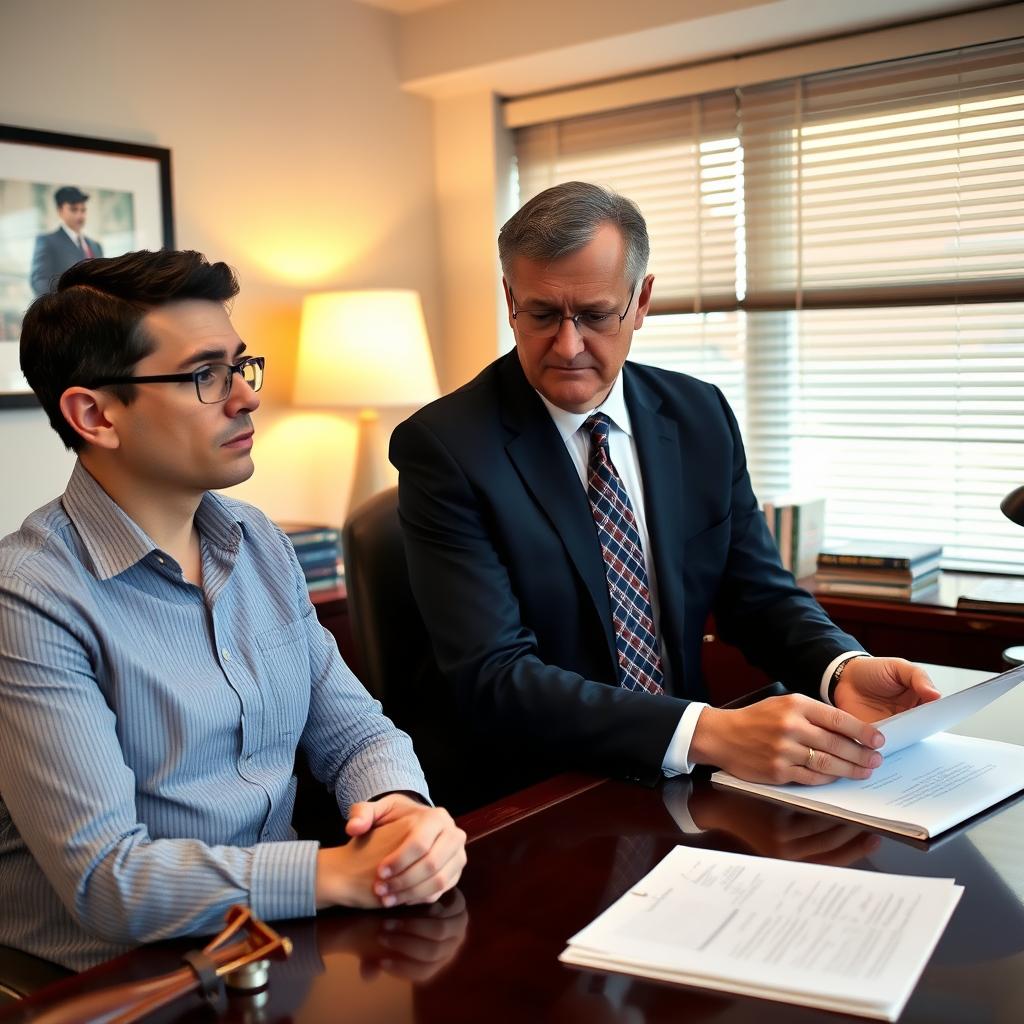
Military Divorce Lawyer New York, NY
You’re a service member stationed in New York, and your marriage is falling apart. Between deployments, pension worries, and custody concerns, you need an attorney who understands the unique challenges of military divorce. Mr. Sris, Owner and Founder of Law Offices Of SRIS, P.C., has concentrated his practice on family law since 1997, representing clients in military divorce matters across New York. Reach our location at (888) 437-7747 to discuss your situation. Law Offices Of SRIS, P.C. — Advocacy Without Borders.
How We Approach Military Divorce Cases
Military divorce in New York involves more than just ending a marriage — it implicates federal protections under the Servicemembers Civil Relief Act (SCRA), the division of military retired pay, and often complex questions of jurisdiction when one spouse is deployed or stationed out of state. Mr. Sris and his Of Counsel team focus on identifying the strategic options available to you, from negotiating a separation agreement that accounts for military benefits to litigating contested issues when necessary. We work to protect your financial interests by analyzing the marital portion of your military pension under the Uniformed Services Former Spouses’ Protection Act and by addressing child support consistent with New York’s statutory formula.
Our approach emphasizes preparation and thorough understanding of both New York family law and the federal rules that govern service members. Whether you seek an uncontested divorce based on an irretrievable breakdown of the relationship or must address fault-based grounds, we guide you through each stage. Mr. Sris and his Of Counsel work with you to develop a plan that respects your military obligations while advocating for a fair resolution.
What to Expect in a New York Military Divorce
In New York, a divorce begins with the filing of a summons and complaint in the Supreme Court of the county where either spouse resides. For a no‑fault divorce, the ground is that the relationship has broken down irretrievably for at least six months, and the court may enter a judgment dissolving the marriage. Military pensions are considered marital property to the extent they were earned during the marriage, subject to equitable distribution under New York Domestic Relations Law § 236. The court divides property based on a list of statutory factors, including the duration of the marriage, each spouse’s income, and contributions as a homemaker.
Child support follows a percentage formula: 17% of combined parental income for one child, 25% for two, 29% for three, 31% for four, and 35% for five or more, on income up to the statutory cap — amounts above that are discretionary. Spousal maintenance (alimony) is calculated using a codified formula for both temporary and post‑divorce support, based on the parties’ incomes. Automatic orders under DRL § 236 freeze certain assets and prohibit changes to insurance when the divorce is commenced. If you are a service member, the SCRA may allow a stay of proceedings while you are on active duty. Mr. Sris and his Of Counsel help you navigate these protections and ensure your rights are asserted.
Understanding the Financial Consequences
The end of a military marriage affects more than just your day‑to‑day life; it can reshape your long‑term financial picture. Equitable distribution does not mean a 50‑50 split — it means a fair division after considering the factors listed in the statute. Military disability pay is treated differently from retired pay and may not be divisible as marital property. The court also considers the length of the marriage overlapping with military service to determine the marital share of the pension.
Child support obligations are calculated using the percentage formula described above, but for a service member, income includes base pay, housing allowances, and certain other allowances. The court may deviate from the formula if applying it would be unjust or inappropriate. Maintenance awards, whether temporary or post‑divorce, are calculated using statutory guidelines that consider the parties’ incomes and the length of the marriage — the longer the marriage, the longer the potential duration of maintenance. Understanding these financial consequences early helps you make informed decisions.
About Mr. Sris and His Of Counsel Team
Mr. Sris, Owner and Founder of Law Offices Of SRIS, P.C., has practiced law since 1997. A former prosecutor, he brings a disciplined, analytical approach to family law matters. He testified before the Virginia House Courts of Justice Committee in support of 2019 HB 635 (chief patron Del. David Bulova). Mr. Sris is admitted in Virginia, Maryland, the District of Columbia, New Jersey, and New York. He is supported by a team of experienced Of Counsel attorneys who focus their practices on family law and related areas. Together, Mr. Sris and his Of Counsel bring over 120 years of combined legal experience. Results may vary. They have documented 4,739+ case results across all practice areas since 1997.
Frequently Asked Questions
How does a military divorce differ from a civilian divorce in New York?
Military divorce differs primarily because of federal protections like the SCRA and rules for dividing military retired pay. The SCRA allows service members to request a stay of court proceedings if their duties materially affect their ability to participate. Military pensions are divided under the Uniformed Services Former Spouses’ Protection Act only if certain conditions are met, such as the 10/10 rule for direct payment from the Defense Finance and Accounting Service. Child support and maintenance are still determined under New York law, but the calculation of income includes military allowances. Mr. Sris and his Of Counsel understand both the state and federal frameworks and can guide you through these overlapping requirements.
How is child support calculated when one parent is a service member?
New York uses a statutory percentage formula based on combined parental income, and a service member’s income includes base pay, basic allowance for housing, and basic allowance for subsistence. The court applies the same percentages — 17% for one child, 25% for two, and so on — to that combined income, up to the statutory cap, above which the court has discretion. Allowances such as the family separation allowance and combat zone tax exclusion may or may not be included, depending on the circumstances. The court may also consider the non‑monetary contributions of each parent. For a detailed calculation, consult with counsel about your specific pay and allowances.
Do I need a lawyer for a military divorce in New York?
You are not legally required to have a lawyer, but the complexity of military divorce — involving federal statutes, pension division, and potential jurisdictional issues — makes legal guidance important. An attorney can help you draft a separation agreement that properly addresses military benefits, ensure that the SCRA is invoked when appropriate, and negotiate a settlement that protects your long‑term interests. Mr. Sris and his Of Counsel have extensive experience handling military divorce matters. To discuss your specific case, call (888) 437-7747.
What happens to my military retirement in a New York divorce?
Your military retired pay is marital property to the extent it was earned during the marriage, and the court may award a portion to your spouse under equitable distribution. New York law uses the “coverture” fraction to determine the marital share: months of marriage overlapping creditable service divided by total months of service. The actual transfer of payments to the former spouse may be handled through a court order acceptable to the Defense Finance and Accounting Service, provided the 10/10 rule is met. Mr. Sris and his Of Counsel work with you to protect your retirement and structure any division of the pension fairly.
Can a service member file for divorce while deployed?
Yes, a service member can initiate a New York divorce while deployed, but the SCRA may allow a stay of the proceedings if the deployment materially affects the member’s ability to participate. If the non‑military spouse files, the service member can request a stay for at least 90 days, and the court may extend it. The member’s commanding officer cannot prevent the divorce, but the member’s deployment status may affect scheduling. Our team is experienced in handling the procedural requirements for service members stationed out of state or overseas. Contact Law Offices Of SRIS, P.C. at (888) 437-7747 to learn more.
Explore other New York family law pages: New York County (Manhattan) Family Lawyer · Kings County (Brooklyn) Family Lawyer · Queens County (Queens) Family Lawyer · Richmond County (Staten Island) Family Lawyer · Nassau County Family Lawyer
Contact us
Law Offices Of SRIS, P.C.
50 Fountain Plaza, Suite 1400, Office No. 142
Buffalo, NY 14202
(888) 437-7747
By appointment only. Call to schedule.
Attorney advertising. Prior results do not guarantee a similar outcome. Case results depend on a variety of factors unique to each case. Results may vary.