
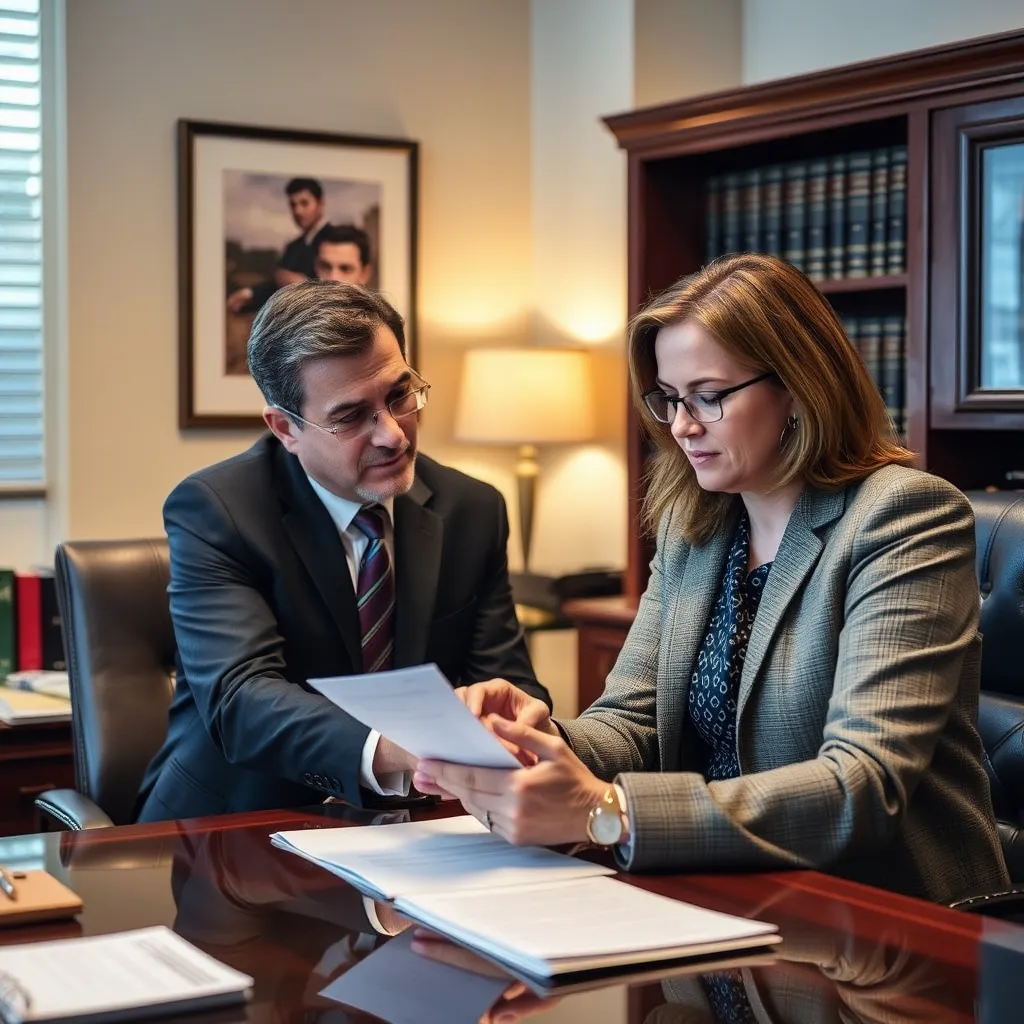
Note: This article is confirmed by Law Offices Of SRIS, P.C.
WRITTEN BY: Mr. Sris
Since 1997, Mr. Sris has led the firm, focusing on the most challenging criminal and family law cases. His background in accounting and information management aids in financial and technology-related cases. Involved in significant legislative changes in Virginia. Insight: My focus since founding the firm in 1997 has always been directed towards personally handling the most challenging and involved criminal and family law matters our clients face.
Military Divorce Lawyer Monroe NY
What is Military Divorce
Military divorce encompasses legal dissolution of marriage where one or both spouses serve in the armed forces. These proceedings must address standard divorce matters alongside military-specific regulations. The Uniformed Services Former Spouses’ Protection Act establishes guidelines for dividing military retirement pay. Service members often deal with deployment schedules affecting court appearances and custody arrangements.
Legal processes begin with determining proper jurisdiction, which can be complicated by military assignments. Service members may file in their home state, the state where stationed, or where spouse resides. Military regulations impact child support calculations differently than civilian guidelines. Healthcare benefits through TRICARE require specific attention during divorce settlements.
Defense strategies focus on protecting military benefits while ensuring fair division of assets. Legal representation helps negotiate pension division percentages under federal guidelines. Addressing survivor benefit plans requires careful planning. Service members need protection against unfair division of benefits earned through military service.
Professional insight emphasizes understanding both family law and military regulations. Attorneys familiar with military culture can better represent service members’ interests. Knowledge of deployment schedules helps plan legal strategy. Understanding military pay structures aids in accurate support calculations.
How to Handle Military Divorce Proceedings
Begin by consulting with legal counsel familiar with military divorce regulations. Determine proper jurisdiction based on military status and residency. Service members can often choose between multiple states for filing. Gather essential military documentation including Leave and Earnings Statements, deployment orders, and benefit statements.
Service of process requires special consideration for deployed personnel. The Servicemembers Civil Relief Act provides protections including possible stays of proceedings. Plan court appearances around deployment schedules and training requirements. Address child custody arrangements considering potential relocations due to military assignments.
Develop strategies for dividing military pensions according to federal guidelines. The 10/10 rule determines direct payment from DFAS. Negotiate healthcare benefit continuation through TRICARE. Address survivor benefit plans and SBP coverage options. Consider tax implications of military benefit divisions.
Professional guidance ensures compliance with both military regulations and state laws. Attorneys help handle the intersection of family law and military requirements. Knowledge of military pay structures aids accurate support calculations. Understanding chain of command procedures can facilitate communication when needed.
Can I Keep My Military Benefits After Divorce
Military pension division follows the Uniformed Services Former Spouses’ Protection Act guidelines. The 10/10 rule determines whether payments come directly from DFAS. Pension division percentages depend on state laws and marriage duration during service. Retirement pay earned before marriage typically remains separate property.
Healthcare benefits through TRICARE have specific eligibility rules for former spouses. The 20/20/20 rule provides continued coverage under certain conditions. Former spouses may qualify for transitional healthcare benefits. Eligibility depends on marriage duration overlapping with service time.
Defense of benefits focuses on proper valuation and division methods. Legal representation helps ensure accurate calculation of marital portion of pension. Negotiation strategies address survivor benefit plan options. Protection of disability pay from division requires specific attention.
Professional insight emphasizes understanding the intersection of military regulations and divorce law. Attorneys help handle involved benefit structures. Knowledge of DFAS procedures ensures proper implementation of court orders. Understanding military culture aids in developing effective settlement strategies.
Why Hire Legal Help for Military Divorce Matters
Military divorce involves overlapping state and federal regulations requiring specific knowledge. Attorneys familiar with military procedures understand chain of command communications. Legal representation helps determine proper jurisdiction among multiple possible states. Knowledge of military pay structures ensures accurate support calculations.
Action steps include gathering necessary military documentation and understanding deployment impacts. Attorneys help plan around military obligations and court requirements. Representation addresses Servicemembers Civil Relief Act protections. Legal guidance ensures proper service of process during deployments.
Defense strategies focus on protecting military benefits while ensuring fair settlements. Attorneys help negotiate pension division percentages under federal guidelines. Representation addresses survivor benefit plan options and healthcare continuation. Legal assistance protects against unfair division of benefits earned through service.
Professional insight comes from understanding both legal requirements and military culture. Attorneys with military divorce experience recognize unique challenges service members face. Knowledge of DFAS procedures ensures proper implementation of court orders. Understanding military regulations helps develop effective legal strategies.
FAQ:
What makes military divorce different from civilian divorce?
Military divorce follows state laws plus federal military regulations. Service members face unique issues with deployments, benefit divisions, and jurisdictional requirements.
How does deployment affect divorce proceedings?
Deployment can delay court dates under the Servicemembers Civil Relief Act. Service members may request stays of proceedings during active duty assignments.
What is the 10/10 rule for military pensions?
The 10/10 rule determines if DFAS pays pension directly. Ten years marriage overlapping ten years service qualifies for direct payments.
Can former spouses keep TRICARE healthcare?
TRICARE eligibility depends on the 20/20/20 rule. Twenty years marriage overlapping twenty years service may qualify for continued coverage.
Where can military members file for divorce?
Service members can often file in home state, state where stationed, or spouse’s residence state. Jurisdiction depends on specific circumstances.
How is child support calculated for military parents?
Child support calculations use military pay including basic pay, allowances, and special pays. Different states have varying calculation methods.
What military benefits are divisible in divorce?
Divisible benefits include retirement pay, thrift savings plans, and survivor benefits. Disability pay and VA benefits typically remain separate.
How long does military divorce typically take?
Timeline varies by state and case challenge. Deployment schedules and jurisdictional issues can extend the process beyond civilian timelines.
What documentation is needed for military divorce?
Required documents include LES statements, deployment orders, benefit statements, and marriage certificates overlapping service periods.
Can military divorce be handled during deployment?
Yes, with proper planning and legal representation. Attorneys can coordinate with JAG officers and use military procedures for remote participation.
How does military relocation affect custody?
Military relocation requires careful custody planning. Agreements should address potential moves and visitation schedules during assignments.
What protections exist for deployed service members?
The Servicemembers Civil Relief Act provides stays of proceedings and other protections for those on active duty assignments.
Past results do not predict future outcomes