
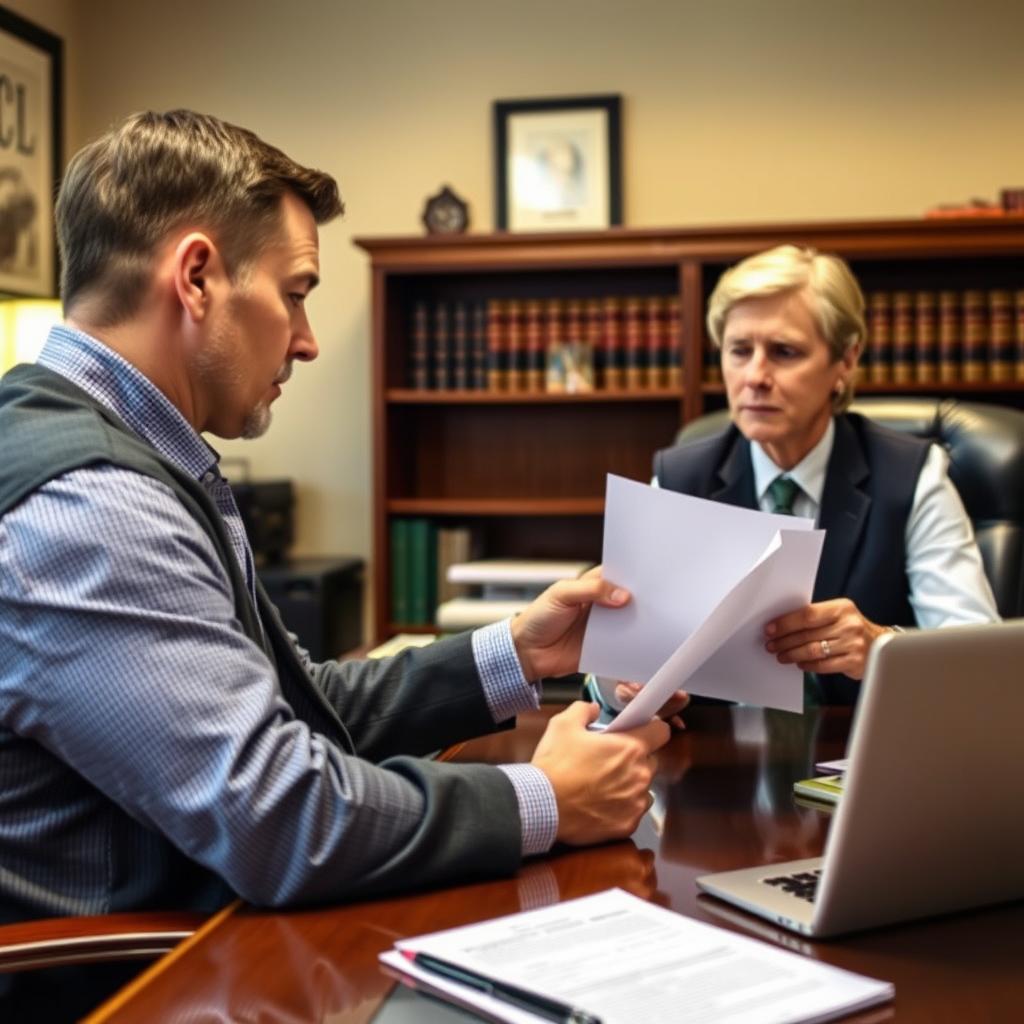
Marital Property Division Lawyer Chenango County
You need a Marital Property Division Lawyer Chenango County to handle equitable distribution under New York law. Law Offices Of SRIS, P.C. —Advocacy Without Borders. SRIS, P.C. provides direct counsel for dividing assets and debts in Chenango County divorces. The process is governed by New York Domestic Relations Law § 236. We analyze property classification and advocate for fair outcomes. (Confirmed by SRIS, P.C.)
Statutory Definition of Equitable Distribution in New York
New York Domestic Relations Law § 236(B)(5) governs equitable distribution of marital property, not community property. This statute defines marital property as all property acquired by either spouse during the marriage, regardless of title. Separate property, acquired before marriage or via gift/inheritance, is excluded. The court must classify assets first, then distribute the marital estate equitably. Equitable does not mean equal. A judge considers multiple statutory factors. The goal is a fair, not necessarily a fifty-fifty, split. This legal framework controls every divorce in Chenango County. Understanding this law is the first step in protecting your assets. A Marital Property Division Lawyer Chenango County applies this statute to your specific case.
What is considered marital property in a Chenango County divorce?
Marital property includes all assets and debts acquired from the date of marriage to the commencement of a divorce action. This includes real estate like the family home in Norwich. It includes retirement accounts, pensions, and 401(k) contributions made during the marriage. Bank accounts, investment portfolios, and business interests are also marital property. Debts like mortgages, car loans, and credit card balances are part of the marital estate. Even increases in the value of separate property can be considered marital. A skilled attorney will conduct a thorough discovery process. They will identify and value every relevant asset and liability.
How is separate property protected during division?
Separate property is generally not subject to division in a New York divorce. Property owned before the marriage is considered separate. Inheritances or gifts received by one spouse, even during marriage, are separate. The key is maintaining clear and distinct documentation of these assets. Commingling separate funds with marital funds can transform them. For example, depositing an inheritance into a joint checking account risks its status. A lawyer will help you trace and document the source of assets. This protects your separate property from an equitable distribution claim.
What factors do Chenango County judges consider for division?
Judges apply the factors listed in Domestic Relations Law § 236(B)(5)(d). The income and property of each party at the time of marriage is reviewed. The duration of the marriage and the age/health of both spouses are factors. The court examines the need of the custodial parent to occupy the marital residence. It also considers any loss of inheritance or pension rights. The court will assess the liquid or non-liquid character of marital property. Any wasteful dissipation of assets by either party is a critical factor. Any other factor the court finds just and proper is also considered. Learn more about Virginia legal services.
The Insider Procedural Edge in Chenango County Supreme Court
Your case will be heard at the Chenango County Supreme Court located at 5 Court Street, Norwich, NY 13815. This court handles all matrimonial actions, including contested property division. The procedural timeline begins with filing a Summons with Notice or a Summons and Complaint. The filing fee for an Index Number in Chenango County is currently $210. The defendant has 20 days to appear after service is effected. The court then schedules preliminary and compliance conferences. Discovery demands for financial disclosure are exchanged early. Failure to comply can result in sanctions. The Chenango County Supreme Court expects strict adherence to filing deadlines. Local rules mandate financial affidavits and net worth statements. A pretrial conference is set if settlement talks fail. The final trial on equitable distribution is scheduled by the judge’s calendar.
What is the typical timeline for a property division case?
A contested property division case can take over a year to resolve in Chenango County. The discovery phase alone often lasts several months. This period is for exchanging documents, depositions, and appraisals. Court conferences are scheduled approximately every 90 days. If a case proceeds to trial, the wait for a trial date can be lengthy. The complexity of asset valuation directly impacts the timeline. Cases involving businesses or professional practices take longer. An experienced lawyer can often expedite the process through efficient negotiation.
What are the key filing requirements and costs?
The primary cost is the $210 fee to file for an Index Number. You must also pay for service of process, typically by a sheriff or process server. If you request a Note of Issue to place the case on the trial calendar, another fee applies. The court requires a Statement of Net Worth from both parties. This detailed financial affidavit is a mandatory disclosure. Appraisal fees for real estate or business interests are a significant additional cost. experienced witness fees for forensic accountants can also be substantial. Your attorney will outline all anticipated costs during your initial case review. Learn more about criminal defense representation.
Penalties & Defense Strategies for Property Division
The most common penalty in property division is an unequal and unfavorable financial split. The court has broad discretion to distribute assets. An unfavorable ruling can cost you a substantial portion of your marital estate. This includes retirement accounts, home equity, and investment portfolios. The table below outlines potential outcomes.
| Offense / Issue | Potential Penalty / Outcome | Notes |
|---|---|---|
| Failure to Disclose Assets | Court awards 100% of hidden asset to other spouse; sanctions. | Full financial disclosure is mandatory. |
| Wasteful Dissipation of Assets | Value of wasted asset charged to your share of distribution. | Includes gambling, gifting, or reckless spending. |
| Non-Compliance with Court Orders | Contempt findings, fines, or adverse inference at trial. | Can severely damage credibility with the judge. |
| Unfavorable Classification | Separate property deemed marital, subject to division. | Highlights need for precise documentation and tracing. |
[Insider Insight] Chenango County judges and attorneys are familiar with local asset types. They frequently see cases involving farm assets, small business interests, and pension plans from local employers. The court looks unfavorably on parties who hide assets or obstruct discovery. Prosecution of these matters is handled by your spouse’s attorney, not a state prosecutor. They will aggressively pursue full financial disclosure. A strong defense is built on complete transparency and strategic valuation.
How can a lawyer defend against a claim for my business?
A lawyer defends your business by accurately classifying and valuing it. They will work to establish what portion, if any, is separate property. An experienced forensic accountant may be retained to perform a business valuation. The lawyer will argue against double-counting business income already considered as support. They can negotiate for an offset using other marital assets. The goal is to protect the operational viability of your business. This requires a detailed analysis of business records and financial statements. Learn more about DUI defense services.
What happens to the marital home in Chenango County?
The marital home is typically the largest marital asset. The court has several options for its disposition. One spouse may be awarded the home, often the custodial parent, with a buyout of the other’s equity. The house can be sold, and the net proceeds divided equitably. The court can order a deferred sale until children reach a certain age. The decision hinges on factors like financial ability and children’s needs. An accurate appraisal of the home’s current market value is essential. Property tax records and local real estate trends are considered.
Why Hire SRIS, P.C. for Your Chenango County Property Division
Our lead attorney for complex asset division has over fifteen years of litigation experience. This attorney focuses on untangling complicated financial portfolios and business interests. SRIS, P.C. has secured favorable property division outcomes for clients throughout New York. We approach each case with a focus on the specific economic realities of Chenango County. Our team understands the local court’s expectations for documentation and presentation. We prepare every case as if it is going to trial. This posture often leads to stronger settlement positions. We provide direct, clear advice about your likely outcomes. You will know the strengths and weaknesses of your case from the start.
Lead Counsel: Our managing attorney for matrimonial assets has a background in forensic financial analysis. This attorney has handled numerous cases involving valuation of professional practices, retirement accounts, and real estate portfolios. They are adept at using discovery tools to uncover full financial pictures. Their strategy is built on careful preparation and aggressive advocacy for a fair division. Learn more about our experienced legal team.
What specific experience does your firm have in Chenango County?
Our firm has represented clients in the Chenango County Supreme Court for property division hearings. We have experience with cases involving agricultural assets common to the region. We have negotiated settlements and tried cases involving local pensions and state retirement systems. We are familiar with the judges and the local procedural norms. This local knowledge informs our strategy and case management.
Localized FAQs for Marital Property Division in Chenango County
How is a pension divided in a New York divorce?
Who is responsible for marital debt in Chenango County?
What is the difference between separate and marital property?
Can my spouse get part of my inheritance in New York?
How long does property division take after divorce?
Proximity, CTA & Disclaimer
Our team serves clients throughout Chenango County. While SRIS, P.C. does not maintain a physical Location in Norwich, we provide full legal representation for Chenango County Supreme Court matters. Consultation by appointment. Call 24/7 to schedule a case review with a Marital Property Division Lawyer Chenango County. We will discuss your assets, your rights, and a clear path forward.
SRIS, P.C.
Consultation by appointment. Call 24/7.
Past results do not predict future outcomes.