
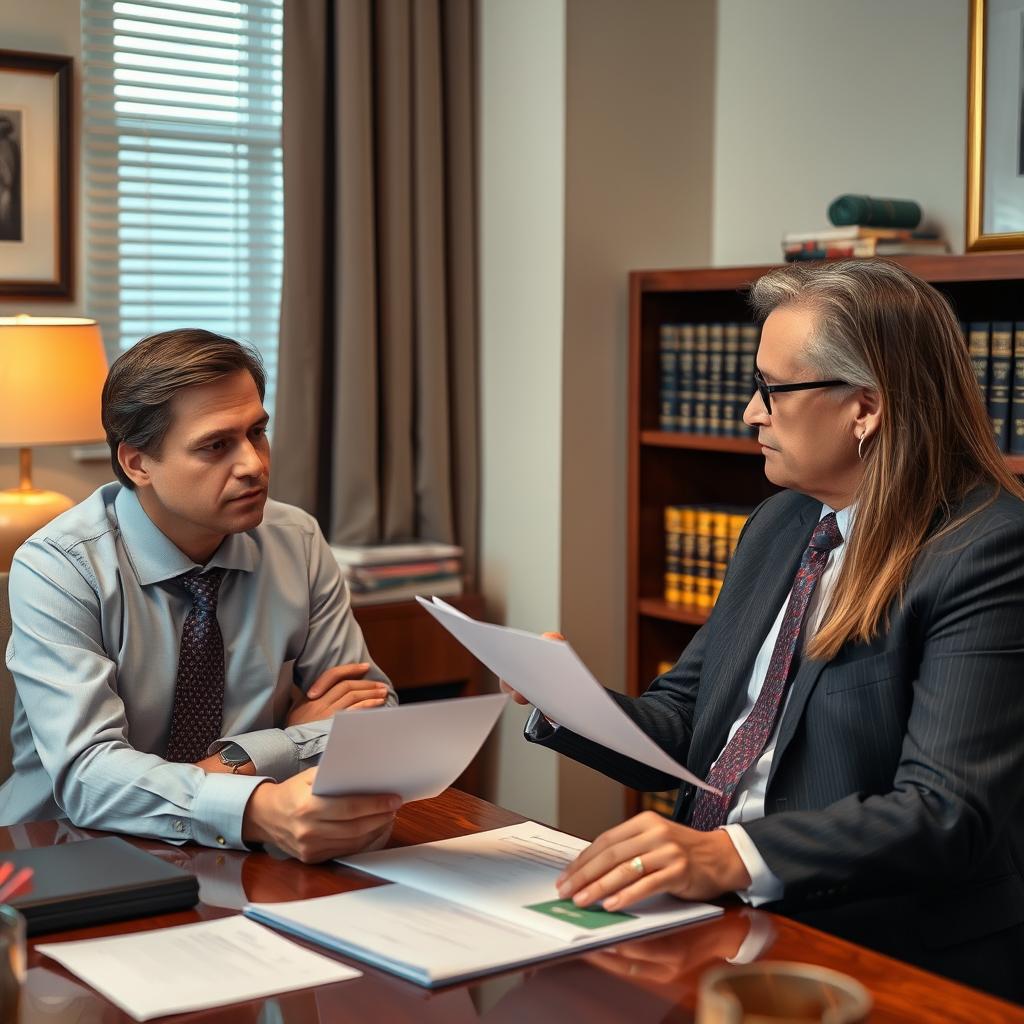
Marital Property Division Lawyer Brooklyn, NY
You and your spouse built a life together in Brooklyn—the brownstone in Park Slope, the retirement accounts, the small business you started in Williamsburg. Now that the marriage is ending, the question “who gets what” feels heavy and uncertain. Marital property division in New York follows equitable distribution, which does not mean a 50‑50 split. Instead, the court weighs many factors under the Domestic Relations Law to reach a fair outcome. For Brooklyn families, the process can be overwhelming, but having an experienced attorney helps bring clarity. Reach Law Offices Of SRIS, P.C. at (888) 437‑7747 to request a consultation.
Law Offices Of SRIS, P.C. – Advocacy Without Borders.
How We Approach Marital Property Division
Mr. Sris and the firm’s Of Counsel attorneys work methodically to identify, value, and classify all assets and debts—determining what is marital and what is separate. We gather financial records, tax returns, real estate appraisals, business valuations, and retirement account statements. Then we negotiate for a settlement agreement that protects your interests. When an agreement cannot be reached, we are prepared to take the matter to court. Throughout the process we focus on your priorities—whether keeping the family home, preserving a business, or ensuring a fair share of pension plans.
Because every Brooklyn family’s financial picture is different, we start by listening. Our role is to translate the numbers into a strategy that aligns with your long-term goals. We have handled cases involving real estate in neighborhoods from Bay Ridge to Bushwick, closely held businesses, professional practices, stock portfolios, and complex deferred‑compensation arrangements. The objective is always a resolution that lets you move forward with financial stability.
What to Expect in a Brooklyn Property Division Case
Most marital property division matters in Kings County are heard at the Kings County Supreme Court at 360 Adams Street, Brooklyn, NY 11201. The case usually begins with filing a Complaint for divorce, which includes a request for equitable distribution. Once filed, automatic orders under New York Domestic Relations Law § 236 take effect—freezing assets and preventing either spouse from making large, unilateral financial moves.
Discovery follows: both sides exchange financial disclosure statements, bank and brokerage records, deeds, and other evidence of assets and debts. If a business or professional practice is involved, a forensic accountant may be brought in. Settlement conferences are often scheduled to see if the parties can reach agreement without a trial. If not, the court holds a hearing where it considers the statutory factors—including each spouse’s contributions to the marriage, the duration of the marriage, income and earning capacity, and the tax consequences of any proposed division. The judge then issues an order distributing the marital estate equitably, though not necessarily equally.
New York’s Equitable Distribution Framework
Under the Domestic Relations Law, marital property includes virtually everything acquired during the marriage, regardless of whose name is on the title: houses, condos, bank accounts, retirement benefits, vehicles, furniture, and even the value of a professional license. Separate property—assets owned before the marriage or received as a gift or inheritance—remains with the individual spouse, though any increase in its value during the marriage may be subject to division.
The court does not simply split everything in half. It weighs a list of factors such as the income and property of each spouse, the duration of the marriage, the age and health of the parties, any wasteful dissipation of assets by either spouse, and the tax consequences of the distribution. The judge also considers the contributions each spouse made as a homemaker or career support. Because the outcome depends on how these factors apply to your specific situation, experienced counsel can make a substantial difference in negotiating a favorable settlement or presenting a persuasive case at trial.
Attorney Handling Your Brooklyn Property Division
Mr. Sris, Owner and Founder of Law Offices Of SRIS, P.C., directs the firm’s family law practice. A former prosecutor, he has practiced since 1997 and is admitted in Virginia, Maryland, the District of Columbia, New Jersey, and New York. Mr. Sris testified before the Virginia House Courts of Justice Committee in support of 2019 HB 635 (chief patron Del. David Bulova), a bill addressing equitable distribution procedure.
Alongside Mr. Sris, the firm’s Of Counsel attorneys bring extensive combined legal experience. Results may vary. The team takes a collaborative approach to property division matters—combining negotiation skills, an understanding of Brooklyn’s court culture, and the ability to work with financial attorneys when complex assets are at stake. When you call, you speak with our team directly; all consultations are by appointment.
Frequently Asked Questions
What is considered marital property in New York?
Marital property includes almost everything acquired by either spouse during the marriage, regardless of whose name is on the title. This encompasses real estate, bank accounts, retirement assets, business interests, vehicles, and even the value of a professional degree or license earned during the marriage. Separate property—items owned before the marriage or received as a gift or inheritance—is generally not divided, but any increase in its value attributable to marital efforts may be subject to equitable distribution under DRL § 236.
How does a Brooklyn court decide who gets the house?
The court considers a number of factors, including which spouse has been the primary caregiver for the children and each spouse’s ability to maintain the property after divorce. Often, the marital residence is awarded to the custodial parent or, if sold, the net proceeds are divided equitably. The judge may also award one spouse a credit for contributions made toward the other spouse’s separate property. The outcome depends on what is fair, not necessarily equal.
Can my spouse hide assets during a Brooklyn divorce?
Attempting to hide or dissipate marital assets can severely damage a spouse’s credibility and lead to a less favorable division for that spouse. New York’s automatic orders freeze assets upon filing, and both parties must provide detailed financial disclosure. If you suspect your spouse is concealing income or assets, an attorney can request further discovery, subpoena records, or engage a forensic accountant to trace funds and uncover hidden property.
Is a business considered marital property?
A business started or grown during the marriage is marital property, and its value is subject to equitable distribution—even if only one spouse operated it. The court will consider the business’s value, the contributions of each spouse, and whether the non‑owner spouse contributed indirectly (for example, by handling household chores while the other built the business). A proper valuation, often by a certified appraiser, is essential to reach a fair division.
What happens to retirement accounts and pensions?
The portion of a retirement account or pension that accrued during the marriage is marital property and will be divided equitably. For pensions, this may require a Qualified Domestic Relations Order (QDRO) to split future payments. For 401(k) and IRA accounts, the division is handled through the plan administrator. The tax consequences of withdrawals are also factored into the overall distribution.
How long does property division take in Kings County?
The timeline varies considerably depending on whether the case is contested and how many assets must be valued. An uncontested divorce with a signed settlement agreement can be finalized in a matter of months after the six‑month irretrievable‑breakdown period is satisfied. A contested case involving business valuations, forensic accounting, and extended discovery can take well over a year, particularly in busy courts like Kings County Supreme Court.
Do I need a lawyer for property division, or can we agree on our own?
You are not legally required to hire a lawyer, but working with an experienced attorney helps ensure the agreement truly protects your long-term interests. Spouses who reach a private settlement still need to file the agreement with the court and obtain judicial approval. An attorney can review the proposed division to catch hidden liabilities—such as tax obligations, retirement account early‑withdrawal penalties, or debts you may not have considered—and negotiate terms that are more likely to be upheld.
Request a Consultation
Every Brooklyn family’s situation is unique. To discuss how we can help with your marital property division matter, call Law Offices Of SRIS, P.C. at (888) 437‑7747. We are available by appointment at our New York location and offer consultations to help you understand your options.
Attorney advertising. Prior results do not guarantee a similar outcome.
Case results depend on a variety of factors unique to each case.
Results may vary.