
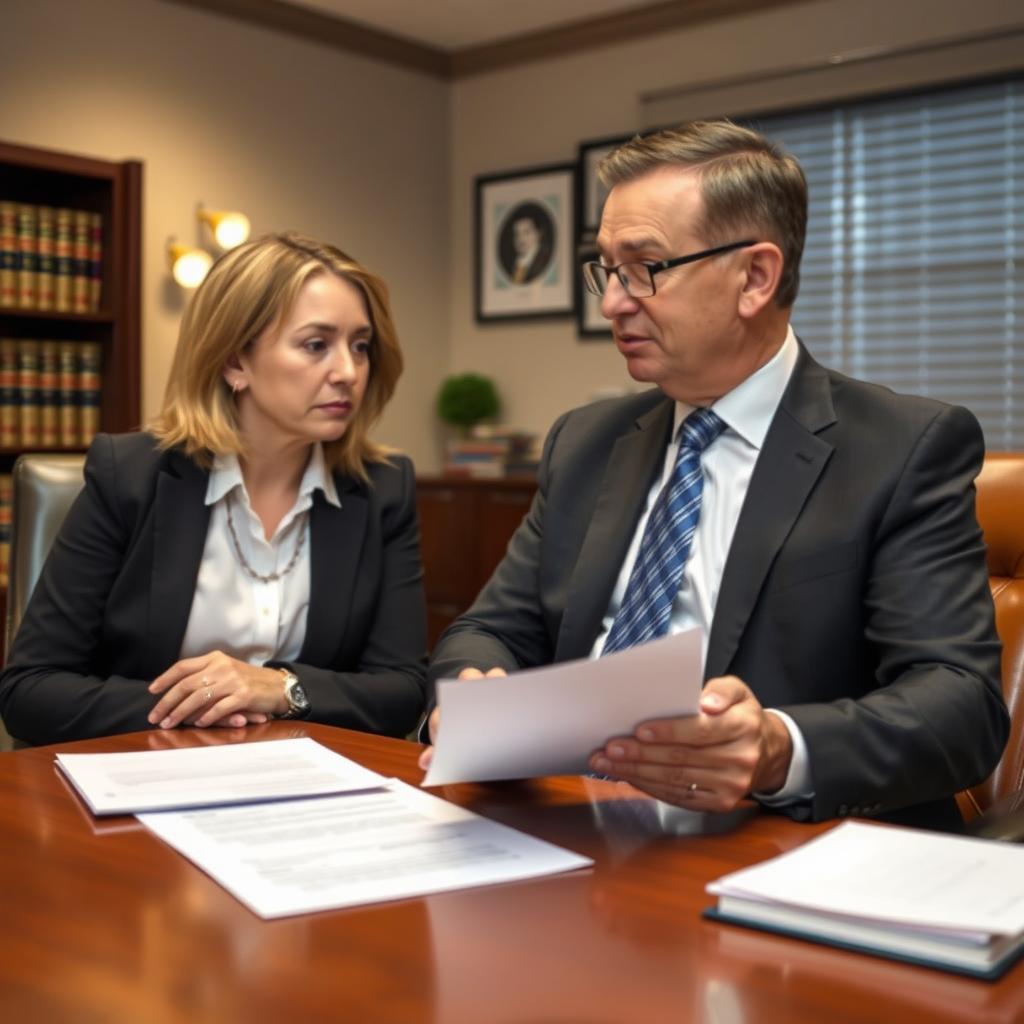
Legal Separation Lawyer Schoharie County
You need a Legal Separation Lawyer Schoharie County to draft a binding legal separation agreement. Law Offices Of SRIS, P.C. —Advocacy Without Borders. This agreement resolves custody, support, and property division without divorce. A Schoharie County judge must approve the terms. SRIS, P.C. attorneys handle filings at the Schoharie County Family Court. (Confirmed by SRIS, P.C.)
Statutory Definition of Legal Separation in New York
New York Domestic Relations Law § 170(6) governs legal separation through a judgment of separation. This statute provides a formal court process for married couples to live apart. It establishes separate maintenance and support obligations. The law allows for the resolution of marital issues without terminating the marriage. A legal separation agreement is the core document in this process. This contract details all terms of the separation. It must be fair and reasonable to both parties. The court reviews the agreement for equity. If approved, it becomes a court order. Violating the order can lead to contempt charges. Legal separation is distinct from divorce in New York. Divorce dissolves the marriage entirely. Separation maintains the marital status. This affects rights like inheritance and health benefits. Some couples choose separation for religious reasons. Others use it as a trial period. The agreement covers all critical marital issues. These include child custody and visitation schedules. It also includes child support and spousal maintenance. Division of marital property and debts is essential. The agreement can specify health insurance coverage. It may address life insurance policy beneficiaries. Tax filing status must be considered. The judgment of separation is a final order. It can be converted to a divorce later. Grounds for separation include cruel treatment or abandonment. The process requires filing a summons and complaint. Both parties must disclose financial information. The court ensures the agreement is not unconscionable. Procedural specifics for Schoharie County are reviewed during a Consultation by appointment at our Schoharie County Location.
What a Legal Separation Agreement Must Include
A legal separation agreement must be a thorough written contract. It must address child custody under New York law. The agreement must detail a parenting time schedule. Child support must follow New York State guidelines. Spousal maintenance terms require clear calculation. Division of all marital assets and debts is mandatory. The agreement should specify health insurance responsibilities. It can include provisions for life insurance. Tax implications for both parties must be acknowledged.
How Legal Separation Differs from Divorce
Legal separation does not end the marriage under New York law. You cannot remarry after a judgment of separation. Marital property rights generally remain intact. Inheritance rights between spouses are typically preserved. Some health insurance policies may continue coverage. A separation agreement can be converted to a divorce later. This requires filing a new action for divorce. Learn more about Virginia family law services.
Grounds for a Judgment of Separation
Cruel and inhuman treatment is a common ground for separation. Abandonment for one year or more is another ground. Living apart pursuant to a written agreement qualifies. The court may grant separation for other substantive reasons. The plaintiff must prove the grounds exist. Defenses to the grounds can be raised by the other party.
The Insider Procedural Edge in Schoharie County
Your case is filed at the Schoharie County Family Court located at 290 Main Street, Schoharie, NY 12157. This court handles all family law matters for the county. The clerk’s Location processes summons and complaint filings. You must file an original and several copies. The filing fee for a separation action is set by statute. Procedural facts are specific to each county’s operations. The timeline from filing to judgment varies. It depends on court calendar availability and case complexity. Uncontested cases with agreements move faster. Contested cases require conferences and hearings. The court may order mediation for custody disputes. Financial disclosure forms are mandatory. These include statements of net worth. Both parties must exchange these documents. Failure to disclose can result in sanctions. The court reviews the separation agreement for fairness. A judge will schedule a hearing for approval. Both parties usually must appear in person. The judge will ask questions about the agreement. They ensure both parties understand the terms. Once signed, the judgment is entered. You receive a certified copy of the order. This document is legally binding. You must comply with all its provisions. Procedural specifics for Schoharie County are reviewed during a Consultation by appointment at our Schoharie County Location. Learn more about criminal defense representation.
Expected Timeline for a Separation Judgment
An uncontested separation can take several months to finalize. The court’s scheduling backlog affects the timeline. Preparing a thorough agreement takes time. Financial disclosure must be complete and accurate. Waiting for a court hearing date adds delay. A contested case will take significantly longer. Expect multiple court appearances over many months.
Costs Beyond Attorney Fees
Court filing fees are required to initiate the case. Process server fees may apply for serving papers. Fees for certified copies of the judgment are standard. If required, mediation sessions have separate costs. Guardian ad litem fees apply in high-conflict custody cases. experienced valuation fees for businesses or property may be needed. Learn more about personal injury claims.
Penalties & Defense Strategies for Agreement Violations
The most common penalty for violating a separation agreement is a contempt finding. A contempt order can impose fines or jail time. The court can also award attorney fees to the enforcing party. The aggrieved party must file a violation petition. They must prove the other party willfully disobeyed the order. Defenses include inability to comply or ambiguity in the order. The court has broad discretion to enforce its judgments. It can modify payment schedules in some cases. It can also order specific performance of the agreement terms. Enforcement actions are common for non-payment of support. They also occur for interference with custody or visitation. Property division violations may lead to liens or seizure. The court prioritizes the best interests of any children involved. [Insider Insight] Schoharie County Family Court judges expect strict compliance with court orders. They view violation petitions seriously, especially those involving child support or custody interference. Demonstrating a pattern of willful non-compliance increases the likelihood of sanctions.
| Offense | Penalty | Notes |
|---|---|---|
| Willful Non-Payment of Support | Contempt; Wage Garnishment; Liens; Possible Jail | Arrears accrue interest at the statutory rate. |
| Violation of Custody/Parenting Time Order | Contempt; Make-Up Time; Possible Change of Custody | Court may require supervised visitation. |
| Failure to Transfer Property | Contempt; Court-Ordered Transfer; Fines | Court can sign deeds on behalf of a refusing party. |
| Breach of Other Agreement Terms | Contempt; Specific Performance; Monetary Damages | Attorney’s fees often awarded to prevailing party. |
Enforcing Child Support Orders
New York has strong child support enforcement mechanisms. The Support Collection Unit can intercept tax refunds. They can suspend driver’s or professional licenses. Liens can be placed on real property or bank accounts. Incarceration is a last resort for persistent refusal to pay. Learn more about our experienced legal team.
Modifying a Separation Agreement
A separation agreement can be modified if circumstances change. A substantial change in finances may alter support. A significant change in a child’s needs can modify custody. Both parties must agree to the modification. If they disagree, a party must petition the court. The court requires proof of a substantial change in circumstances.
Why Hire SRIS, P.C. for Your Schoharie County Separation
Our lead family law attorney has over a decade of experience drafting and litigating separation agreements. This experience is critical for protecting your rights in Schoharie County. A poorly drafted agreement creates future conflict and enforcement problems. Our attorneys understand the local court’s expectations. We know how to present agreements for swift judicial approval. We also prepare for contested issues if agreement fails. Our goal is a clear, enforceable document that provides stability. SRIS, P.C. focuses on your specific objectives. We analyze the financial implications of every term. We ensure child-related provisions serve the child’s best interests. Our approach is direct and strategic. We do not waste time on unnecessary conflict. We aim for efficient resolutions that stand the test of time. Our team is accessible and responsive to your questions. We explain the process in clear, understandable terms. You will know what to expect at each stage. We prepare you thoroughly for court appearances. Our representation is focused on achieving a fair outcome. Procedural specifics for Schoharie County are reviewed during a Consultation by appointment at our Schoharie County Location.
Localized FAQs for Schoharie County Separation
How long does a legal separation take in Schoharie County?
Can I date during a legal separation in New York?
What happens if my spouse violates our separation agreement?
Is a legal separation agreement legally binding?
Can a separation agreement be changed?
Proximity, CTA & Disclaimer
Our Schoharie County Location serves clients throughout the region. We are accessible for case reviews and court appearances. Consultation by appointment. Call 1-888-437-7747. 24/7.
Law Offices Of SRIS, P.C.—Advocacy Without Borders. Our attorneys provide focused family law representation. We handle legal separation, divorce, and custody matters. Contact us to discuss your Schoharie County case.
Past results do not predict future outcomes.