
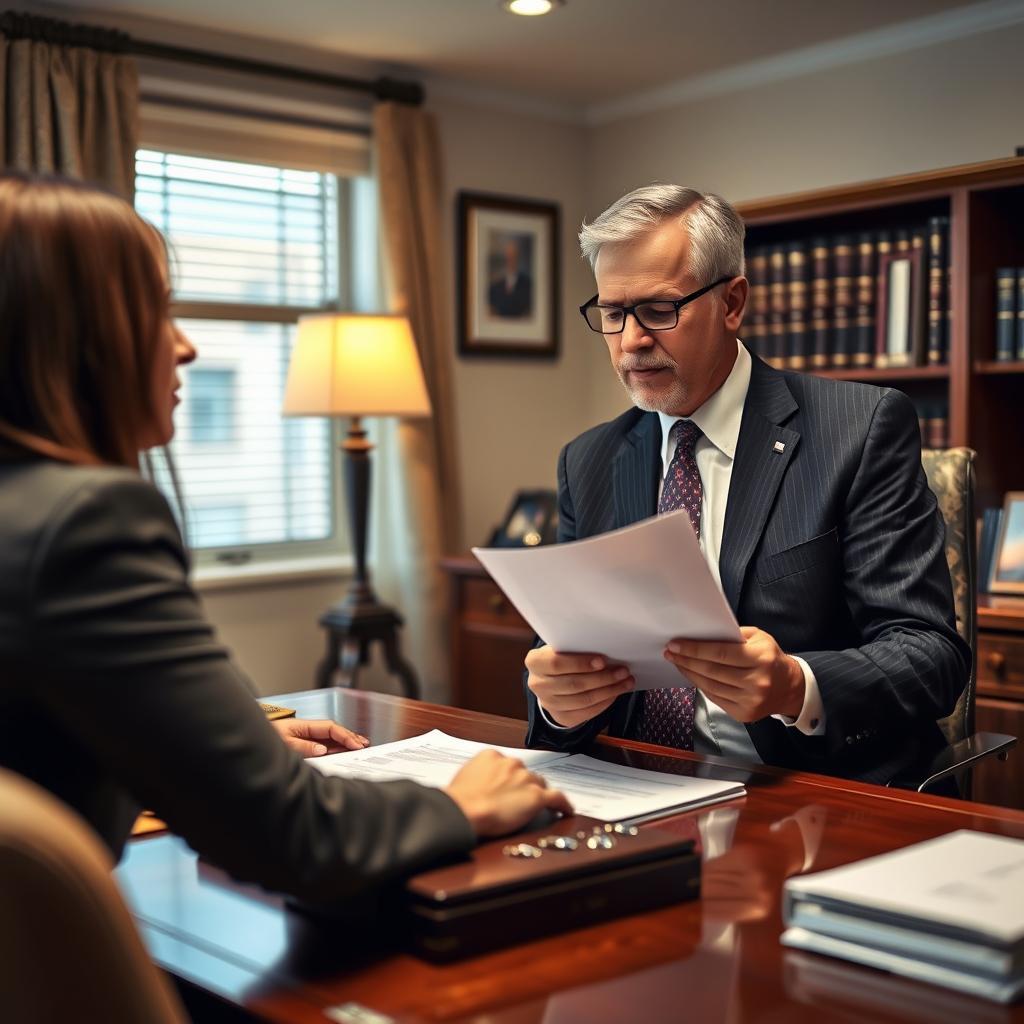
Legal Separation Lawyer Queens County, NY
If you are considering separating from your spouse in Queens County, New York, you probably have questions about how the process works and what steps you need to take to protect your interests. A legal separation is not a divorce, but it can establish important terms for child custody, support, and property division while you and your spouse decide whether to reconcile or move forward with a dissolution of the marriage. At Law Offices Of SRIS, P.C., Mr. Sris and his Of Counsel help clients in Queens County navigate separation agreements, negotiate fair terms, and, when necessary, seek judicial separation under New York law. Reach our New York location at (888) 437-7747 to discuss your situation. Law Offices Of SRIS, P.C. – Advocacy Without Borders.
New York Domestic Relations Law § 200 authorizes an action for a separation from bed and board, sometimes called a judicial separation.
Source: N.Y. Dom. Rel. Law § 200. New York State Senate DRL § 200
Reviewed by Mr. Sris, admitted in VA/MD/DC/NJ/NY.
What a Legal Separation Means in Queens County
In Queens County, a legal separation is a formal arrangement recognized by the New York courts that allows spouses to live apart and resolve financial and parenting issues without terminating the marriage. Cases are filed in the Supreme Court of the State of New York, Queens County, located at 88-11 Sutphin Boulevard, Jamaica, NY 11435. The court may grant a judgment of separation on grounds set out in the Domestic Relations Law, including abandonment, cruel and inhuman treatment, or the failure to provide support. Many couples, however, choose to resolve their differences through a written separation agreement without going to trial, which can become the basis for a divorce after the required time period if the parties later decide to end the marriage.
Queens County is one of the most diverse communities in the United States, and family law issues here often involve multi-national households, extended family living arrangements, and a wide range of financial circumstances. The courts in Queens are accustomed to handling cases that require sensitivity to cultural dynamics, asset tracing, and complex parenting schedules. Our New York location—at 50 Fountain Plaza, Suite 1400, Office No. 142, Buffalo, NY 14202—represents clients throughout Queens County, including Jamaica, Flushing, Astoria, Long Island City, Forest Hills, Bayside, Jackson Heights, Rego Park, Elmhurst, Woodside, Corona, Rockaway Beach, Howard Beach, Ozone Park, and Fresh Meadows. Mr. Sris and his Of Counsel appear regularly in the Queens County Supreme Court and work with clients to pursue agreements that align with their goals.
How Mr. Sris and His Of Counsel Handle Legal Separation Cases
When you engage Law Offices Of SRIS, P.C., you work with Mr. Sris and his Of Counsel, who bring over 120 years of combined legal experience and have documented 4,739+ firm-wide results. Results may vary. The team focuses on developing a strategy that fits your unique circumstances—whether you need a negotiated separation agreement, help with a contested judicial separation, or advice on protecting assets and parenting time before a divorce is filed. The process often begins with a detailed review of your marital history, financial picture, and objectives for the future. Then, Mr. Sris and his Of Counsel will explain the likely legal framework under the New York Domestic Relations Law and the realistic options available to you.
If you and your spouse can cooperate, the attorneys can draft a comprehensive separation agreement that addresses property division, spousal maintenance, child custody, parenting time, child support, and other important concerns. A well-drafted agreement can become the foundation for an uncontested divorce later if you choose that path. If a negotiated resolution is not possible, the team is prepared to litigate a judicial separation action in Queens County Supreme Court. In all matters, Mr. Sris and his Of Counsel work to achieve favorable outcomes, and every case is handled with attention to the details that matter most to your family. Results may vary.
About Mr. Sris and His Of Counsel Team
Mr. Sris, Owner and Founder of Law Offices Of SRIS, P.C., has practiced family law since 1997. He is admitted in Virginia, Maryland, the District of Columbia, New Jersey, and New York, giving him a multi-jurisdictional perspective that can be especially helpful in separation cases where parties have ties to more than one state or country. Mr. Sris is a former prosecutor, and his experience in the courtroom informs his approach to every family law matter—he understands both how to negotiate effectively and how to present a compelling case to a judge when necessary.
Mr. Sris works with a team of Of Counsel attorneys who are engaged through Excella and contribute extensive experience across a broad range of family law issues. Together, they have handled matters in Queens County and across New York’s judicial districts. The firm’s collaborative approach means that your case benefits from the collective knowledge of attorneys who have navigated the local court system, from the Queens County Family Court to the Supreme Court. To discuss how we can assist with your separation, contact us at (888) 437-7747.
Frequently Asked Questions
What is the difference between a legal separation and a divorce in New York?
In New York, a legal separation resolves immediate issues like support, custody, and property division but does not dissolve the marriage, while a divorce legally ends the marriage and allows both parties to remarry. A separation may appeal to couples who object to divorce for religious or personal reasons or who need to maintain certain benefits, such as health insurance, that would end with a divorce. A separation agreement or judgment can later be converted to a divorce after one year if the parties have complied with its terms and the statutory requirements are met. Mr. Sris and his Of Counsel can explain which option best fits your situation.
Do I need a lawyer to create a separation agreement in Queens County?
You are not legally required to have a lawyer, but working with an experienced family law attorney helps ensure that your agreement is enforceable and that you do not inadvertently waive important rights. A separation agreement is a binding contract, and once signed, it can be difficult to change absent fraud or mutual consent. Issues like equitable distribution of marital assets, spousal maintenance calculations under New York’s statutory formulas, and child support provisions are complex and can have long-lasting consequences. Having counsel of your own protects your interests, especially if your spouse is represented.
What grounds are needed for a judicial separation in New York?
Under New York law, a judgment of separation can be granted on the grounds of abandonment, cruel and inhuman treatment, neglect or refusal to provide for a spouse, or adultery, as specified in the Domestic Relations Law. However, many couples in Queens County choose to avoid litigation entirely by entering a written separation agreement. If you cannot agree, Mr. Sris and his Of Counsel can evaluate whether the facts of your case meet one of the statutory grounds and advise you on the likelihood of success in court. The timeline for a judicial separation will depend on the court’s calendar and the complexity of your case.
Can a separation agreement address child custody and parenting time in Queens County?
Yes, a separation agreement can—and should—set out a detailed parenting plan covering legal custody, physical custody, a parenting-time schedule, and decision-making responsibilities. Queens County courts will enforce these provisions as long as they serve the best interests of the child. Even if you and your spouse agree on everything, having a clear written agreement reduces the risk of future disputes. If circumstances change, either parent may later petition the Family Court or Supreme Court for a modification, but the agreement creates a starting point that both parties have already consented to.
What happens if my spouse refuses to sign a separation agreement?
If your spouse will not sign a voluntary separation agreement, you may still pursue a judicial separation by filing an action in Queens County Supreme Court and proving one of the statutory grounds. The process can become contested, and the court will decide the outstanding issues after a hearing or trial. Litigation takes longer and often costs more than a negotiated agreement, but it provides a path forward when cooperation is not possible. In our practice, many spouses become more willing to negotiate once a lawsuit is filed and they understand the court’s potential role.
How does legal separation affect financial obligations during the marriage?
A legal separation generally allows the court or the parties’ agreement to fix temporary or permanent support obligations, including spousal maintenance and child support, while the marriage remains intact. New York’s statutory maintenance guidelines, found in the Domestic Relations Law, provide formulas for temporary and post-divorce maintenance, but the same principles often guide separation negotiations. The agreement can also address how debts will be paid, who will continue to reside in the marital home, and how taxes will be handled. These financial provisions remain enforceable even if the parties later decide to reconcile.
Related pages: Nassau County Family Law Lawyer · Suffolk County Family Law Lawyer · Kings County (Brooklyn) Family Law Lawyer
Primary legal sources: NY Domestic Relations Law § 200 (Separation) · New York State Unified Court System · Queens County Supreme Court
Attorney advertising. Prior results do not guarantee a similar outcome.
Case results depend on a variety of factors unique to each case.
Results may vary.