
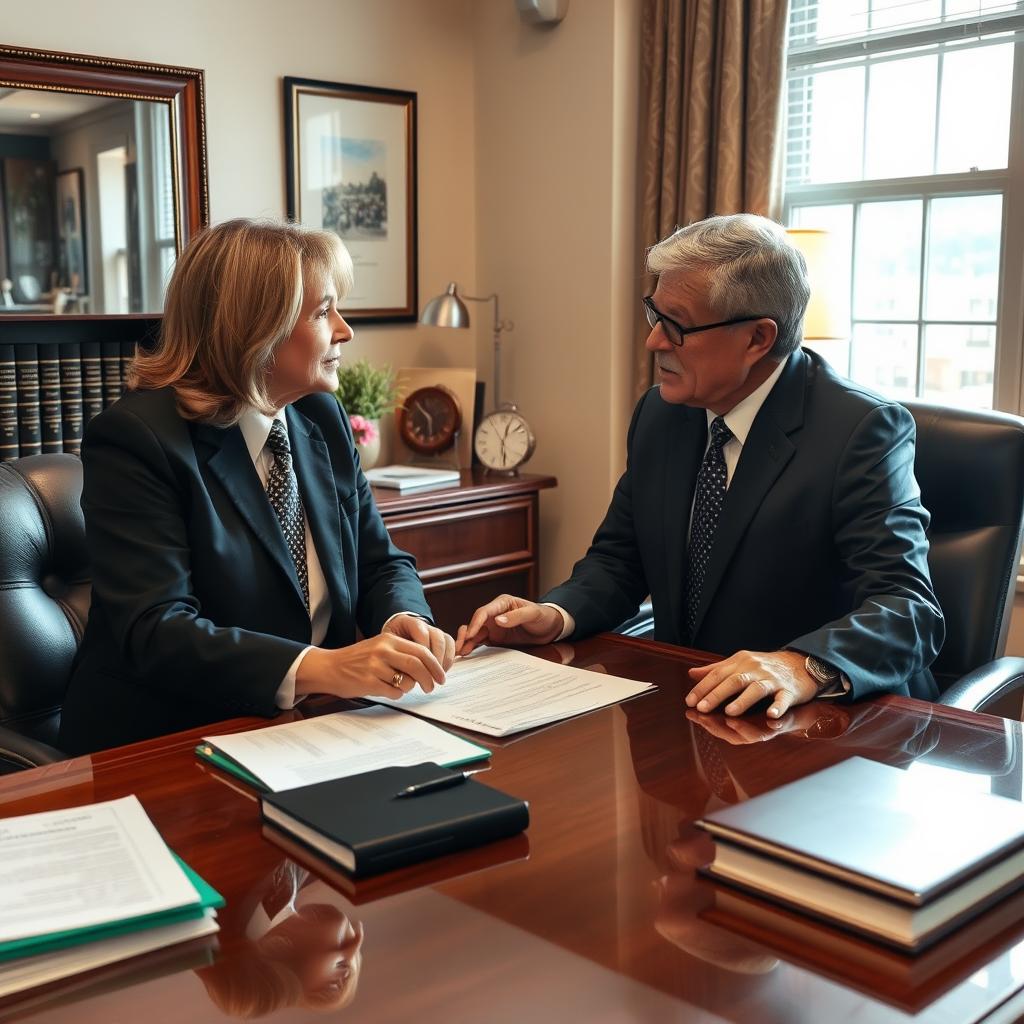
Guardianship Lawyer Westchester County, NY
When a family member can no longer manage their personal needs or financial affairs because of age, illness, or injury, establishing a guardianship can provide a legal framework that ensures their well‑being and protects their assets. In Westchester County, New York, these matters are governed by Article 81 of the New York Mental Hygiene Law, which authorizes the Supreme Court to appoint a guardian when a person’s functional capacity is at issue. It is a process that balances compassion with legal oversight, involving court evaluators, medical evidence, and the court’s determination of what arrangement serves the individual’s best interests. Because every guardianship touches on deeply personal family dynamics and significant legal rights, having experienced counsel who understands both the statutory scheme and the local court practices can make a meaningful difference. Mr. Sris and his Of Counsel at Law Offices Of SRIS, P.C. Concentrate their practice in family law, including guardianship matters in Westchester County and throughout New York. Reach Law Offices Of SRIS, P.C. at (888) 437‑7747 to request a consultation. Law Offices Of SRIS, P.C. – Advocacy Without Borders.
What Guardianship Means in Westchester County, New York
Guardianship in New York is not a one‑size‑fits‑all remedy. Under Article 81 of the Mental Hygiene Law, a court may appoint a guardian of the person, a guardian of the property, or both, tailored to the specific functional limitations of the individual—referred to as the alleged incapacitated person (AIP). Westchester County Supreme Court, located at 111 Dr. Martin Luther King Jr. Blvd in White Plains, is the trial court that hears Article 81 petitions. A judge will rely on a court‑evaluator’s report, medical affidavits, and testimony from family members and other witnesses before deciding whether a guardianship is necessary and, if so, the scope of the guardian’s authority.
The procedure is designed to be the least restrictive alternative. If the AIP can manage some aspects of life independently, the court may limit the guardian’s powers accordingly. For example, a guardian of the person may be authorized to make healthcare and residential decisions, while a separate guardian of the property handles financial affairs. In many Westchester County cases, careful pre‑petition planning—working with family, medical providers, and social workers—helps shape a petition that respects the AIP’s dignity while addressing genuine needs. Because the legal standard is functional, not diagnostic, the focus stays on what the person can and cannot do, not on a medical label.
Many guardianship matters arise after a sudden health crisis, and families often find themselves navigating the court system under stress. Westchester County’s Ninth Judicial District has its own procedural expectations, and familiarity with local practice can help ensure the petition and supporting documents meet the court’s requirements. Mr. Sris and his Of Counsel assist families throughout this process, from the initial assessment of whether a guardianship is appropriate through the preparation and filing of the petition to representation at the hearing.
How Mr. Sris and His Of Counsel Handle Guardianship Cases
Every guardianship begins with a careful evaluation of the situation. Mr. Sris and his Of Counsel meet with family members to understand the AIP’s circumstances, review available medical and financial documentation, and discuss alternatives to guardianship—such as powers of attorney, advance directives, or supported decision‑making—that may achieve the family’s goals without court involvement. If guardianship is necessary, the legal team prepares the petition, identifies the appropriate form of relief, and assembles the evidentiary record that the court will require.
The team appears in Westchester County Supreme Court to present the case, examine witnesses, and respond to any objections. They work with the court evaluator appointed under MHL § 81.09 and coordinate with medical professionals and care managers. Throughout the matter, Mr. Sris and his Of Counsel keep the family informed and involved, explaining each step in plain terms. Mr. Sris and his Of Counsel bring extensive combined legal experience. Results may vary.
About Mr. Sris and His Of Counsel Team
Mr. Sris, Owner and Founder of Law Offices Of SRIS, P.C., has practiced law since 1997. A former prosecutor, he brings a broad perspective to family law matters, including guardianship proceedings in New York. He is admitted in Virginia, Maryland, the District of Columbia, New Jersey, and New York, and his practice includes appearances in Westchester County Supreme Court on Article 81 matters. Mr. Sris testified before the Virginia House Courts of Justice Committee in support of 2019 HB 635 (chief patron Del. David Bulova). Together with his Of Counsel—attorneys engaged through Excella who concentrate in family law—he offers clients the benefit of collaborative experience and a commitment to thorough, detail‑oriented representation. Every matter receives the careful attention that guardianship cases demand.
Frequently Asked Questions
What is Article 81 guardianship in New York?
Article 81 of the New York Mental Hygiene Law is the statute that governs adult guardianship proceedings. It allows the Supreme Court to appoint a guardian of the person, a guardian of the property, or both, when an individual is unable to manage their personal or financial affairs due to functional limitations. The court tailors the guardianship to the specific needs of the person, using a functional rather than a diagnostic standard. The process begins with a verified petition and includes an investigation by a court‑appointed evaluator before the court holds a hearing.
Who can file for guardianship in Westchester County?
Any interested person may file a petition for Article 81 guardianship. This often includes a spouse, adult child, parent, sibling, or other close relative. In some instances, a hospital, nursing home, or social services agency may initiate the proceeding. The petitioner must demonstrate that the AIP has functional limitations and that guardianship is the least restrictive alternative. Our firm helps potential petitioners assess whether they are the appropriate party to bring the action and prepares the necessary documentation for the Westchester County Supreme Court.
What is the difference between a guardian of the person and a guardian of the property?
A guardian of the person makes decisions about the AIP’s personal needs—such as where the person lives, what medical care they receive, and day‑to‑day personal‑care decisions. A guardian of the property manages the AIP’s financial affairs, including paying bills, managing investments, and safeguarding assets. In many cases, the court appoints the same individual to serve in both roles, but the powers are distinct, and the court may impose different reporting obligations for each. The petition must specify which powers are being sought.
How long does the guardianship process take in Westchester County?
The timeline varies depending on the urgency of the situation, the complexity of the AIP’s circumstances, and the court’s calendar. A routine, uncontested guardianship may move through the system more quickly, while a contested matter or one involving substantial assets can take longer. In emergency situations, the court may appoint a temporary guardian under MHL § 81.23 on short notice. Our firm works to prepare and present the case efficiently while ensuring all procedural requirements are satisfied.
What role does the court evaluator play in an Article 81 proceeding?
Under MHL § 81.09, the court appoints a court evaluator—typically an attorney, social worker, or other qualified professional—to investigate the allegations in the petition. The evaluator meets with the AIP, interviews family members and caregivers, reviews medical records, and reports to the court on the AIP’s functional capacity, the availability of less restrictive alternatives, and any objections the AIP may have. The evaluator’s report is a key piece of evidence at the hearing. Our attorneys help clients understand the evaluation process and prepare to present their perspective to the evaluator.
Can a guardianship be contested in Westchester County?
Yes. The AIP has the right to object to the guardianship and to retain independent counsel. Other family members or interested parties may also raise objections. A contested guardianship proceeding essentially becomes a trial, with testimony, cross‑examination, and evidentiary rulings. The court will decide whether the petitioner has proven by clear and convincing evidence that a guardianship is necessary and, if so, what powers the guardian should have. Our firm represents both petitioners and AIPs in contested matters and is prepared to litigate when necessary.
Do I need a lawyer for a guardianship in Westchester County?
Although it is legally possible to file a guardianship petition without an attorney, the procedural requirements are detailed and the stakes are high. An improperly prepared petition can result in delays, additional court appearances, or even dismissal. Moreover, the petitioner assumes a fiduciary responsibility and must comply with ongoing reporting obligations. An experienced guardianship attorney can help ensure the petition is properly drafted, the evidence is sufficient, and the guardian’s duties are clearly understood from the start. Reach Law Offices Of SRIS, P.C. at (888) 437‑7747 to discuss your specific situation.
How do I choose a guardianship lawyer in Westchester County?
Look for counsel who is familiar with Article 81, appears regularly in the Westchester County Supreme Court, and can explain the process in plain language. Because guardianship often involves sensitive family dynamics and significant financial decisions, it is important to work with an attorney who listens carefully and treats all parties with respect while vigorously protecting your legal interests. Mr. Sris and his Of Counsel have extensive experience handling family law matters, including guardianship proceedings. To schedule a consultation, contact Law Offices Of SRIS, P.C. at (888) 437‑7747.
Additional resources for family law matters in neighboring New York counties:
Family law attorney in Nassau County
Family law attorney in Rockland County
Family law attorney in Suffolk County
Attorney advertising. Prior results do not guarantee a similar outcome.
Case results depend on a variety of factors unique to each case.
Results may vary.