
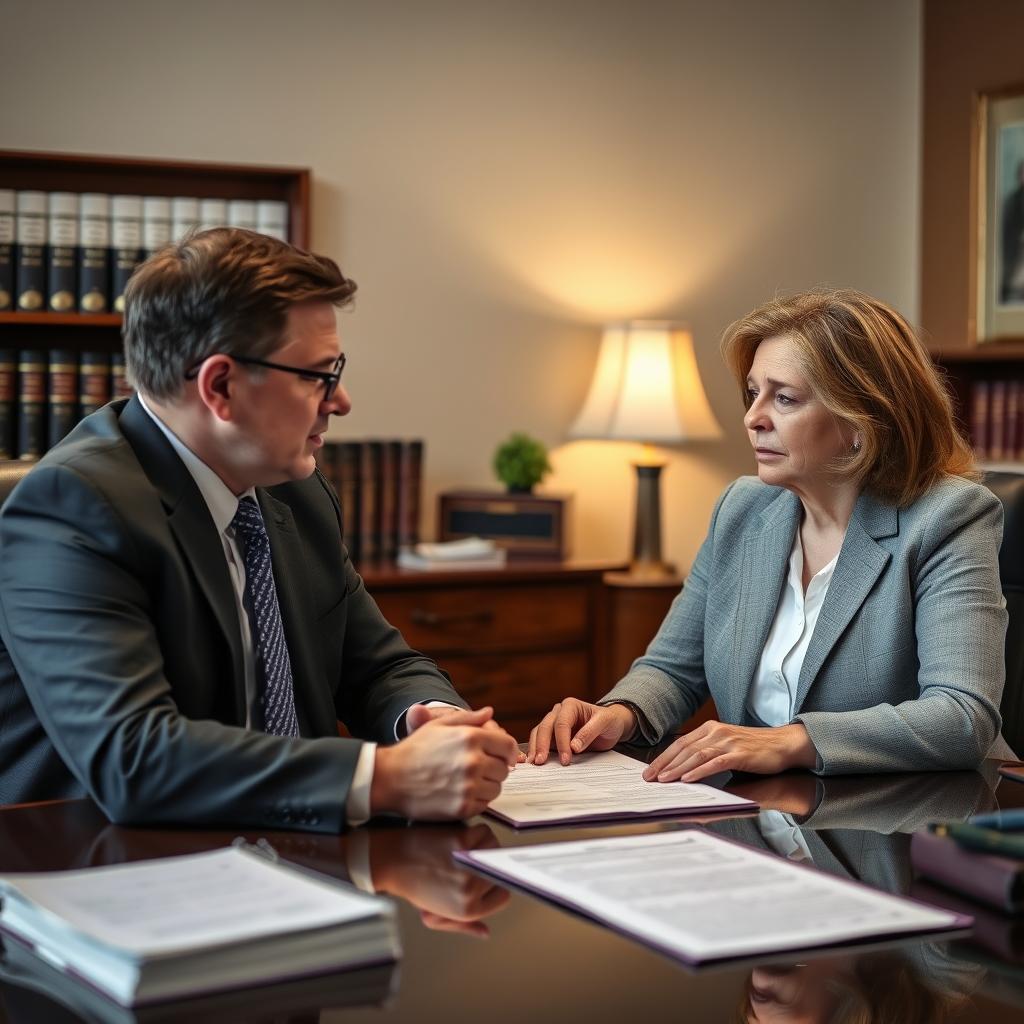
Guardianship Lawyer Tompkins County, NY
Guardianship matters in Tompkins County require an understanding of New York’s distinctive statutory framework—Article 81 of the Mental Hygiene Law for adults and the Surrogate’s Court Procedure Act for minors—as well as familiarity with the local courts. For families in Ithaca, Dryden, Lansing, Trumansburg, Groton, Newfield, Caroline, Enfield, and surrounding Finger Lakes communities, Mr. Sris and his Of Counsel bring extensive experience representing petitioners and family members in these proceedings. Whether the need involves an aging parent, a child with no available parent, or a relative requiring property management, the process calls for careful preparation. The Tompkins County Supreme Court handles adult guardianship petitions, while the Surrogate’s Court addresses guardianship of minors; Family Court may be involved in custody-adjacent matters. Mr. Sris and his Of Counsel practice across New York, Maryland, the District of Columbia, New Jersey, and Virginia, and they regularly appear in Tompkins County courts. To discuss your guardianship needs, contact the firm at (888) 437-7747. Law Offices Of SRIS, P.C. – Advocacy Without Borders.
What Guardianship Means in Tompkins County, New York
In Tompkins County, guardianship is a court-ordered arrangement that gives a responsible person legal authority to manage personal-care or financial decisions for someone who cannot manage them independently. Under Article 81 of the New York Mental Hygiene Law, the court may appoint a guardian of the person, a guardian of the property, or both, for an adult whose functional capacity is compromised in a way that places the person or their assets at risk. The court relies on a court evaluator—an independent professional appointed under Section 81.09—to assess the alleged incapacitated person’s situation and report to the judge. For a minor child, a guardianship proceeding typically arises under the Surrogate’s Court Procedure Act when a parent cannot or will not care for the child, or when a child receives assets that need management. In all cases, the petitioner must show that the appointment is necessary and in the best interests of the person.
Guardianship filings in Tompkins County are made in the Supreme Court (for adults) or Surrogate’s Court (for minors). The Tompkins County Supreme Court, located at 320 North Tioga Street in Ithaca, operates Monday through Friday during standard court hours. Because Article 81 requires a functional assessment and often a hearing, the process involves detailed documentation and possibly testimony from medical professionals and the court evaluator. Mr. Sris and his Of Counsel guide families through each step—from evaluating the need for a guardianship, to preparing the petition and supporting affidavits, to appearing at the hearing. With extensive experience in New York guardianship law, they help clients navigate the procedural requirements while keeping the focus on the well-being of the individual who may need protection.
How Mr. Sris and His Of Counsel Handle Guardianship Cases
When a family contacts the firm about a potential guardianship, the first step is to understand the specific circumstances. Is the concern about an older adult showing signs of diminished capacity? A younger adult with a developmental disability who has turned 18? A minor whose parent is incarcerated or hospitalized? Mr. Sris and his Of Counsel evaluate which court and which legal pathway—Article 81 in Supreme Court, or a guardianship petition in Surrogate’s Court—fits the situation. They then gather relevant medical, financial, and personal history to support the petition, always attentive to the requirement that a tailoring principle drives Article 81: the court should provide only the least restrictive form of intervention needed.
Once a petition is drafted, it is filed with the appropriate Tompkins County court. In an adult guardianship, the court will assign a court evaluator and may hold a hearing at which the proposed guardian, the allegedly incapacitated person, and any interested parties can be heard. Mr. Sris and his Of Counsel prepare clients for these hearings, present evidence clearly, and advocate for a plan that respects the person’s autonomy while addressing the practical needs. They also handle post-appointment responsibilities, such as annual accountings and compliance with court orders. Throughout, they work to achieve a resolution that safeguards the individual’s interests without unnecessary conflict.
About Mr. Sris and His Of Counsel Team
Mr. Sris, Owner and Founder of Law Offices Of SRIS, P.C., has practiced law since 1997. A former prosecutor, he is admitted in Virginia, Maryland, the District of Columbia, New Jersey, and New York. Mr. Sris testified before the Virginia House Courts of Justice Committee in support of 2019 HB 635 (chief patron Del. David Bulova). His courtroom experience and multi-state practice give him a broad perspective that benefits families facing complex legal matters, including guardianship.
Working alongside Mr. Sris are Of Counsel attorneys with considerable experience in family law and guardianship. The team collectively handles matters in Tompkins County and throughout New York. They are supported by staff who assist with document preparation, scheduling, and client communication. The firm’s approach emphasizes clear explanation of the legal process, responsiveness to client questions, and diligent representation at every stage of a guardianship proceeding.
Frequently Asked Questions
What is the difference between a guardian of the person and a guardian of the property in New York?
A guardian of the person makes personal and healthcare decisions, while a guardian of the property manages finances. Under Article 81 of the New York Mental Hygiene Law, the court may appoint one or both roles depending on the individual’s needs. A guardian of the person decides where the person will live, consults on medical care, and ensures daily well-being. A guardian of the property handles income, pays bills, and preserves assets. The same person can serve in both capacities, and the court tailors the authority to the specific circumstances so that the incapacitated person retains as much independence as possible. For guidance on your specific situation, reach Law Offices Of SRIS, P.C. at (888) 437-7747.
How do I start a guardianship proceeding in Tompkins County?
Begin by consulting an attorney to determine whether guardianship is appropriate and which court has jurisdiction. For an adult, the process generally involves filing a petition and supporting affidavits with the Tompkins County Supreme Court. The court will assign a court evaluator, who will interview the person and submit a report. For a minor, the petition is filed in the Surrogate’s Court. The petition must state the reasons guardianship is needed and, for an adult, include a description of the alleged incapacity. After filing, a hearing date is set. To discuss the details of your matter, contact Law Offices Of SRIS, P.C. at (888) 437-7747.
Who can serve as a guardian under New York law?
Any competent adult—including a family member, a close friend, or a professional—can be appointed if the court finds the person suitable. In Article 81 proceedings, the court considers the proposed guardian’s relationship to the incapacitated person, their ability to manage the required tasks, and whether there are any conflicts of interest. For a minor, parents are the natural guardians unless they are unable to serve; otherwise, a relative or other qualified person may be appointed. The court maintains oversight and can remove a guardian who fails to act in the person’s best interests. For a consultation, reach Mr. Sris and his Of Counsel at (888) 437-7747.
How long does a guardianship case take in Tompkins County?
The timeline varies depending on the complexity of the case and the court’s calendar. An uncontested adult guardianship with no objection can proceed in a matter of weeks after the petition is filed, but cases that require a hearing or involve disputed capacity issues may take longer. A minor guardianship often moves more quickly if both parents consent or if a parent is incapacitated. Emergency temporary guardianships under Article 81 can sometimes be obtained on an expedited basis. For guidance on your specific situation, reach Law Offices Of SRIS, P.C. at (888) 437-7747.
What is a court evaluator, and what role does the evaluator play?
A court evaluator is an independent professional appointed by the court to investigate the alleged incapacitated person’s circumstances and report to the judge in an adult guardianship case. Under New York Mental Hygiene Law Section 81.09, the evaluator interviews the person, consults with involved family members and care providers, and assesses whether guardianship is necessary and, if so, what form it should take. The evaluator’s report becomes a key piece of evidence at the hearing. Mr. Sris and his Of Counsel work with court evaluators to ensure that the full picture of the person’s situation is presented accurately.
Do I need a lawyer to file for guardianship in Tompkins County?
A lawyer is not legally required, but the guardianship process involves detailed procedural and evidentiary requirements that make legal representation advisable. The petition, affidavits, and supporting documents must meet statutory standards, and the proposed guardian must demonstrate the need for the appointment at a hearing. An experienced attorney helps prepare the case, presents evidence effectively, and ensures compliance with all legal requirements. To discuss the details of your matter, contact Law Offices Of SRIS, P.C. at (888) 437-7747.
Also serving nearby clients: Family Law Lawyer in New York County · Family Law Lawyer in Kings County · Family Law Lawyer in Queens County · Family Law Lawyer in Nassau County · Family Law Lawyer in Richmond County
New York guardianship resources: New York Mental Hygiene Law Article 81 · New York Surrogate’s Court Procedure Act · New York State Courts
Attorney advertising. Prior results do not guarantee a similar outcome. Case results depend on a variety of factors unique to each case.