
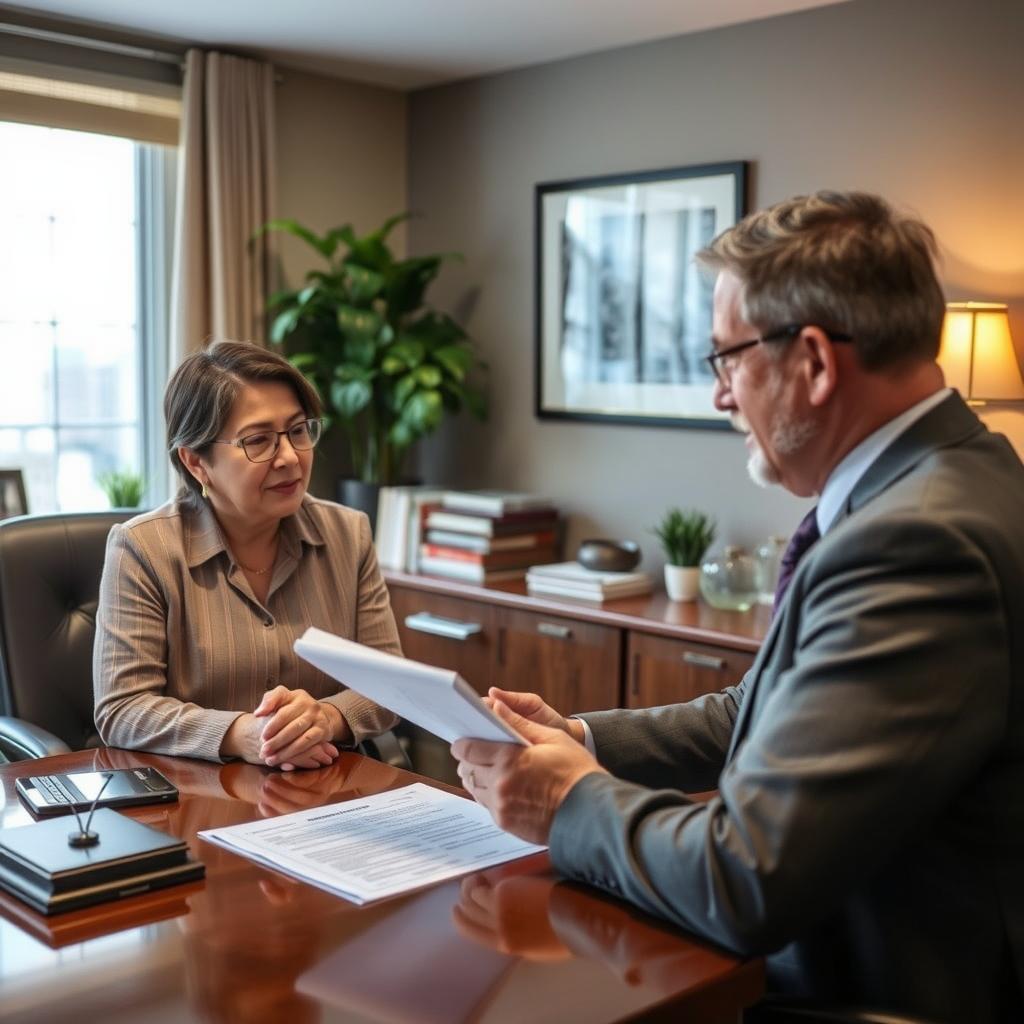
Guardianship Lawyer New York County, NY
When a family needs to establish legal guardianship—whether for a minor child, an adult with diminished capacity, or an incapacitated person—the process calls for a clear understanding of New York’s overlapping statutory schemes. In New York County (Manhattan), guardianship matters are heard in the New York County Supreme Court or the New York County Family Court, depending on the type of guardianship and the person’s circumstances. Law Offices Of SRIS, P.C. Concentrates its practice on family law matters and represents clients in all facets of guardianship law, from standby arrangements for children to adult guardianship under Article 81 of the New York Mental Hygiene Law. The firm works to guide families through procedural requirements, help them assess the available legal tools, and pursue outcomes that align with the protected person’s best interests. For a consultation about a guardianship matter in New York County, reach the firm’s New York location at (888) 437-7747.
What Family Law Means in New York County
Family law in New York County covers a broad spectrum of domestic and protective proceedings, including divorce, child custody, child support, spousal maintenance, adoption, and guardianship. India is not a signatory to the 1980 Hague Convention on Civil Aspects of International Child Abduction. Guardianship itself branches into several distinct legal paths. For minors, parents may designate a standby guardian under the Surrogate’s Court Procedure Act § 1726, or a relative may petition the Family Court for permanent guardianship when a parent is unable to care for the child. For adults, Article 81 of the Mental Hygiene Law provides the framework for appointing a guardian of the property, a guardian of the person, or both when an individual cannot manage their personal or financial affairs due to functional limitations. New York’s approach to adult guardianship is rooted in a functional-assessment model: a court evaluator investigates the alleged incapacitated person’s needs and reports to the court, and any appointment is tailored to those specific needs rather than imposing a blanket loss of rights.
The New York County Supreme Court at 60 Centre Street, New York, NY 10007, handles divorce and related equitable distribution matters, while the New York County Family Court addresses custody, visitation, paternity, and some guardianship petitions. Because guardianship can overlap with family law issues—such as when a child’s guardianship intersects with custody or parental rights—experience in both forums is valuable. The procedural landscape requires careful attention to jurisdiction, service of process, and the evidentiary standards that apply in each court. Mr. Sris and his Of Counsel are familiar with these procedures and work with clients to present a thorough petition or respond to a contested proceeding.
How Mr. Sris and His Of Counsel Handle Guardianship Cases
When a family contacts the firm about a guardianship concern, the first step is a detailed review of the situation to identify the appropriate legal mechanism. For a minor guardianship, that may involve preparing a standby-guardianship designation, filing a petition for permanent guardianship, or defending against an unsuitable petition. For an adult guardianship under Article 81, the team reviews the capacity concerns, identifies whether a guardian of the property, a guardian of the person, or both is needed, and assembles the required documentation, including the proposed order and supporting affidavits. Mr. Sris and his Of Counsel also work with the court evaluator appointed under MHL § 81.09 to ensure the court receives a full picture of the individual’s circumstances.
The firm handles contested guardianship proceedings as well, including cases in which family members disagree about who should serve as guardian or whether guardianship is necessary. The legal team presents evidence, examines witnesses, and argues for the arrangement that best protects the individual at the center of the proceeding. Throughout the matter, Mr. Sris and his Of Counsel keep the family informed about court dates, required documentation, and the likely next steps. While every case follows its own timeline, the firm’s goal is to move the matter forward efficiently while making sure that all statutory requirements are satisfied and the protected person’s interests remain the priority.
About Mr. Sris and His Of Counsel Team
Mr. Sris, Owner and Founder of Law Offices Of SRIS, P.C., founded the firm in 1997. A former prosecutor, he is admitted to practice in Virginia, Maryland, the District of Columbia, New Jersey, and New York. Mr. Sris testified before the Virginia House Courts of Justice Committee in support of 2019 HB 635 (chief patron Del. David Bulova). Today he concentrates his practice on complex family law matters, including guardianship proceedings, and draws on decades of courtroom experience to represent families in New York County and beyond.
Mr. Sris and his Of Counsel bring over 120 years of combined legal experience and have achieved 4,739+ documented firm-wide results. Results may vary. The team includes attorneys who have handled matters in multiple jurisdictions, and they work collaboratively to apply the right legal strategy for each guardianship case. Whether the matter is uncontested or adversarial, the firm’s approach is grounded in careful fact investigation and a thorough understanding of the applicable statutes.
Frequently Asked Questions
What types of guardianship are available in New York County?
New York law provides several guardianship routes, depending on whether the person is a minor or an adult. For minors, a parent can designate a standby guardian under SCPA § 1726, or a relative can petition Family Court for permanent guardianship. For adults, Article 81 of the Mental Hygiene Law authorizes appointment of a guardian of the property, a guardian of the person, or both when a court finds the person cannot manage their own affairs. A separate process under SCPA Article 17-A applies to individuals with intellectual or developmental disabilities. Each mechanism has distinct petition requirements and different court procedures.
How does the adult guardianship process work under Article 81?
An Article 81 proceeding begins with the filing of a petition in Supreme Court that describes the alleged incapacitated person’s functional limitations and the need for a guardian. The court appoints a court evaluator to investigate and report. After a hearing, the judge decides whether guardianship is necessary and, if so, what powers the guardian will have. The appointment is tailored to the person’s specific needs; it might grant authority over financial management, personal care, or both. The proceeding is designed to be the least restrictive alternative available.
Who can petition for guardianship of a minor in New York?
A parent, relative, or other interested adult may file a petition for guardianship of a minor in Family Court or Surrogate’s Court. The petitioner must demonstrate that the minor’s parents are unable or unwilling to provide proper care. In many cases, a parent may nominate a standby guardian in advance, which takes effect upon the parent’s death or incapacity. The court considers the best interests of the child and may require consent from the parents or a showing that their consent is not required.
What is the difference between a guardian of the property and a guardian of the person?
A guardian of the property manages the protected person’s financial affairs, while a guardian of the person makes decisions about medical care, living arrangements, and personal well-being. Under Article 81, the court can appoint one or both types, and the guardian’s powers are limited to what the order specifies. A guardian of the property must often post a bond and file periodic accountings with the court. The two roles may be held by the same individual or by different individuals, depending on the circumstances.
Do I need a lawyer for a guardianship proceeding in New York County?
Guardianship petitions involve complex procedural rules, and a lawyer can help ensure that all statutory requirements are met and that the protected person’s interests are properly presented. While a person may file without counsel, the petition must meet specific pleading standards, and an adult guardianship proceeding typically includes a court evaluator and a hearing. An attorney familiar with New York County’s courts can anticipate the documentation the court expects and present evidence effectively. For a consultation, reach Mr. Sris and his Of Counsel at (888) 437-7747.
How long does a guardianship proceeding take?
The timeline for a guardianship matter depends on the type of proceeding, the court’s calendar, and whether the case is contested. An uncontested adult guardianship that moves through the intake, evaluation, and hearing stages without objection typically resolves more quickly than a matter with litigation. Petitions for standby guardianship of a minor can be processed more quickly when the documentation is complete. For guidance on what to expect in your situation, contact Law Offices Of SRIS, P.C. at (888) 437-7747.
Practice locations serving New York County:
Kings County (Brooklyn) family law lawyer ·
Queens County (Queens) family law lawyer ·
Richmond County (Staten Island) family law lawyer ·
Nassau County family law lawyer
New York official sources: N.Y. Dom. Rel. Law · N.Y. Mental Hyg. Law · New York County Supreme Court
Attorney advertising. Prior results do not guarantee a similar outcome.
Case results depend on a variety of factors unique to each case.
Results may vary.