
Guardianship Lawyer Monroe County, NY
When a family needs legal authority to make decisions for a loved one who cannot manage personal or financial affairs, pursuing a guardianship in Monroe County, New York, can provide a path forward. Guardianship cases involve sensitive family dynamics, detailed court filings, and an understanding of how Monroe County Supreme Court and Monroe County Family Court handle these matters. Mr. Sris and his Of Counsel at Law Offices Of SRIS, P.C. represent clients across Rochester, Irondequoit, Greece, Brighton, Pittsford, Fairport, Henrietta, Webster, Brockport, Penfield, Spencerport, Gates, and the wider Finger Lakes region in adult guardianship proceedings under Article 81 of the New York Mental Hygiene Law, guardianship of minors through Family Court, and related proceedings in Surrogate’s Court. Contact Law Offices Of SRIS, P.C. at (888) 437-7747 to schedule a confidential consultation about your guardianship matter.
What Guardianship Means in Monroe County, New York
In New York, guardianship is a court-supervised legal relationship that gives one person the authority to make decisions for another who lacks the capacity to manage his or her own affairs. The person appointed is called a guardian; the person needing assistance is often referred to as the alleged incapacitated person (AIP) in adult cases, or the child in minor guardianship cases. Monroe County courts handle these matters through different statutory frameworks depending on the type of guardianship sought.
Adult guardianship under Article 81 of the Mental Hygiene Law is the most common pathway when an adult loses the ability to handle personal needs, property management, or both. The Supreme Court in Monroe County has jurisdiction over Article 81 petitions. For minors, guardianship may be sought through the Monroe County Family Court or the Surrogate’s Court when a child’s parents are unavailable or unable to care for the child. Guardianship of a minor with an intellectual or developmental disability may also be pursued under Surrogate’s Court Procedure Act Article 17‑A. In all cases, the court appoints a guardian based on a showing that the appointment is necessary and serves the best interests of the person who needs care.
The Monroe County Supreme Court sits at 99 Exchange Boulevard in Rochester. Family Court and Surrogate’s Court are also located in Rochester, serving the communities along I‑90, I‑390, and Route 31. Guardianship cases often intersect with other family law matters such as custody, visitation, and support, making it important to work with counsel who understands the interplay between these areas and the local practices of each court.
How Mr. Sris and His Of Counsel Handle Guardianship Cases
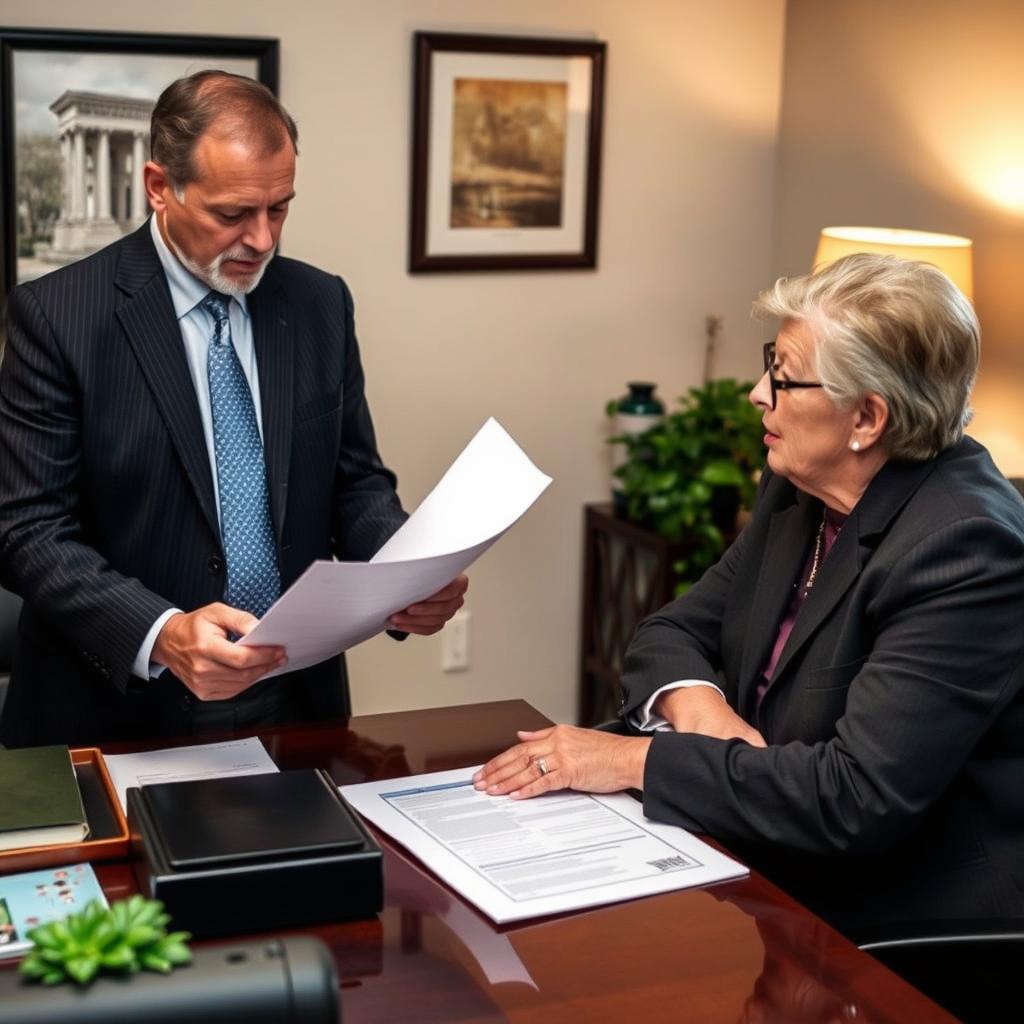
Mr. Sris and his Of Counsel approach every guardianship matter with a focus on thorough preparation and clear communication. The process typically begins with an initial consultation to understand the family’s circumstances, the nature of the incapacity or need, and the goals of the proposed guardianship. They then work with the client to identify the correct court, prepare the petition, and gather supporting documentation, which may include sworn statements from medical professionals or other witnesses attesting to the need for a guardian.
Once the petition is filed, the court will schedule a hearing. In Article 81 cases, the court appoints a court evaluator, an independent professional who interviews the parties and reports to the court. Mr. Sris and his Of Counsel represent the petitioner during the hearing and any subsequent proceedings. They present evidence, question witnesses, and advocate for a guardianship arrangement that addresses the AIP’s personal needs and property management in a manner the court will find appropriate. They also help families navigate post-appointment requirements, including annual accountings and reports required by the court.
About Mr. Sris and His Of Counsel Team
Mr. Sris, Owner and Founder of Law Offices Of SRIS, P.C., has practiced law since 1997. A former prosecutor, he is admitted to the bar in New York as well as Virginia, Maryland, the District of Columbia, and New Jersey. His broad experience in family law and litigation gives him insight into the procedural and evidentiary demands of guardianship hearings. Mr. Sris testified before the Virginia House Courts of Justice Committee in support of 2019 HB 635 (chief patron Del. David Bulova). His Of Counsel, engaged as non‑employee attorneys, bring significant experience in family law and work collaboratively with Mr. Sris to serve Monroe County clients. Together, they focus on delivering responsive, informed representation throughout the guardianship process.
Frequently Asked Questions
What is the difference between guardianship of the person and guardianship of the property in New York?
A guardian of the person makes decisions about an individual’s personal care, living arrangements, and medical treatment, while a guardian of the property manages financial matters and assets. In New York, a court may appoint one person to serve in both roles or appoint separate guardians depending on the needs of the alleged incapacitated person. Article 81 of the Mental Hygiene Law allows the court to tailor the guardianship to the specific functional limitations of the individual, which means a guardian may be given only those powers that are truly necessary.
Who can file for guardianship in Monroe County?
A family member, close friend, or concerned individual who is aware of a person’s inability to manage their affairs can file a petition for guardianship. In adult cases, the petitioner is typically a spouse, adult child, parent, or sibling. For minors, a relative or person with whom the child has been living may file. The court will not appoint a guardian unless it finds that less restrictive alternatives—such as a power of attorney—are unavailable or insufficient. Mr. Sris and his Of Counsel can help you determine whether you have standing and whether a guardianship is the appropriate legal tool for your situation.
How does the court determine whether an adult needs a guardian in New York?
The court relies on a functional assessment—not simply a medical diagnosis—to decide whether an adult is incapacitated. Under Article 81, the court appoints a court evaluator who meets with the alleged incapacitated person and other interested parties, reviews records, and submits a report. The court considers whether the person can manage activities of daily living and property affairs without assistance. The focus is on the person’s functional abilities and the existence of a specific need for a guardian, which may be limited to certain areas.
What is the typical timeline for a guardianship case in Monroe County?
The timeline varies depending on several factors, including the urgency of the situation, whether the petition is contested, and the court’s own calendar. An emergency temporary guardian may be appointed on short notice if immediate danger to a person’s health or property is shown. Contested guardianship hearings can extend the timeline significantly. Working with experienced counsel helps ensure that filings are complete and deadlines are met, which can reduce unnecessary delays. The court sets its own hearing schedule and manages its docket based on the volume of cases.
Do I need a lawyer to file for guardianship in Monroe County?
While not legally required, having an attorney is strongly recommended because guardianship proceedings involve complex legal standards, detailed paperwork, and court appearances. The petition must include specific allegations about the individual’s capacity and the need for a guardian. The court may dismiss a petition that does not meet statutory requirements. Mr. Sris and his Of Counsel can prepare the necessary documents, coordinate with the court evaluator and medical providers, and present your case at the hearing, helping to protect both your interests and those of the person for whom you seek guardianship.
Can a guardianship be modified or terminated?
Yes, a court can modify or terminate a guardianship if circumstances have changed. For example, if the incapacitated person regains the ability to manage their own affairs, any interested party may petition to terminate the guardianship. The court may also modify the scope of a guardian’s powers if the individual’s needs change over time. The guardian must file periodic reports with the court, and the court retains continuing oversight. An attorney can help a guardian or family member pursue a modification when warranted.
Internal link recommendations — Monroe County family law practice and related areas:
- Family law representation in New York County (Manhattan)
- Family law representation in Kings County (Brooklyn)
- Family law representation in Queens County
- Family law representation in Nassau County, Long Island
- Family law representation in Richmond County (Staten Island)
Attorney advertising. Prior results do not guarantee a similar outcome. Case results depend on a variety of factors unique to each case. Contact Law Offices Of SRIS, P.C. at (888) 437-7747 to discuss your guardianship concerns. Our New York location serves the Monroe County community and the Finger Lakes region. Consultations are by appointment only.