
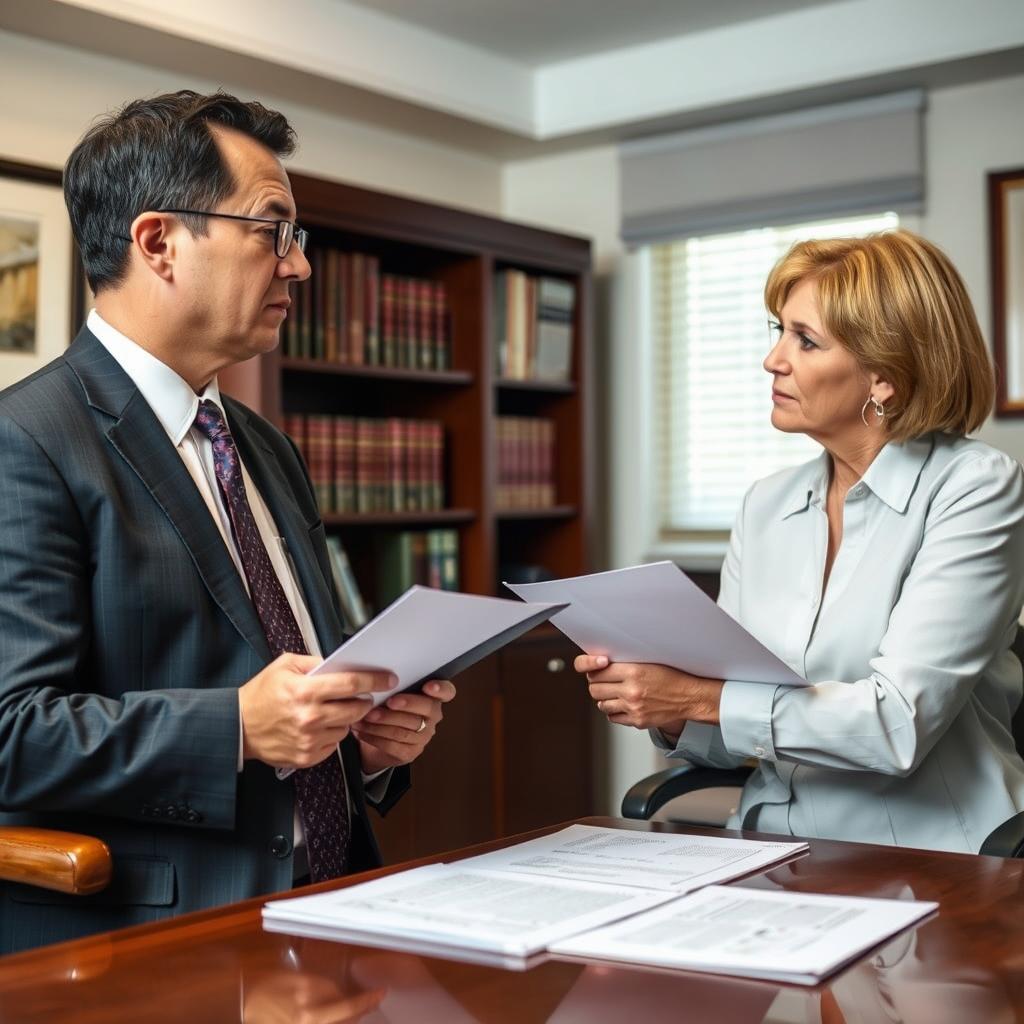
Guardianship Lawyer Livingston County, NY
When a family member or loved one can no longer manage their own personal or financial affairs, establishing a guardianship can provide essential legal protection. Whether you need to arrange care for an incapacitated adult or seek authority to make decisions for a minor child, a guardianship lawyer Livingston County, NY, can guide you through the legal process. At Law Offices Of SRIS, P.C., we help clients navigate the complexities of New York guardianship law, including Article 81 of the Mental Hygiene Law for adults and Family Court proceedings for minors. Our firm supports individuals and families throughout Livingston County, from Geneseo to Dansville, with experienced legal counsel. To discuss your situation and learn how we can assist, call (888) 437‑7747. Law Offices Of SRIS, P.C. – Advocacy Without Borders.
What Guardianship Means in Livingston County, New York
Guardianship is a legal arrangement in which a court appoints an individual to make personal, medical, or financial decisions for another person who lacks the capacity to do so. In Livingston County, guardianship matters are heard in Livingston County Supreme Court (for adult cases under Article 81) and Livingston County Family Court or Surrogate’s Court (for minors). The court’s role is to protect the best interests of the person alleged to be incapacitated or in need of a guardian, ensuring that the least restrictive alternative is considered before appointing a guardian.
New York law distinguishes between adult guardianship and minor guardianship. Adult guardianship, governed by Article 81 of the Mental Hygiene Law, applies when a person is unable to manage their own personal needs or property due to a functional limitation. The court may appoint a guardian of the person, a guardian of the property, or both. Unlike some jurisdictions that use the term “conservator,” New York uses “guardian” for both personal and property management roles, eliminating the term “conservator” from adult incapacity proceedings. For minors, guardianship can be established through the Family Court Act when parents are deceased, absent, or otherwise unable to provide care, and may also involve Surrogate’s Court for estate matters. Understanding the specific court procedures and statutory requirements is crucial, and we work with clients to assess the most appropriate path for their circumstances.
How Mr. Sris and His Of Counsel Handle Guardianship Cases
Mr. Sris and his Of Counsel take a comprehensive, client‑centered approach to guardianship matters. Every case begins with a thorough evaluation of the facts, including the alleged incapacity, the proposed guardian’s relationship, and the specific powers needed. We then prepare and file the necessary petitions with the appropriate Livingston County court, ensuring that all statutory requirements are met. Throughout the process, we advocate for the best interests of the individual in need, whether it is an elderly parent, a disabled adult child, or a minor whose parents cannot care for them.
Our representation includes handling contested guardianship disputes, where family members may disagree about who should serve as guardian or whether a guardianship is necessary. We work toward resolutions that minimize conflict while protecting the individual’s rights and dignity. Mr. Sris and his Of Counsel are experienced in the procedural nuances of New York guardianship law and are prepared to litigate when necessary. We also assist with post‑appointment matters, such as accounting requirements and guardian oversight.
About Mr. Sris and His Of Counsel Team
Mr. Sris, a former prosecutor, founded Law Offices Of SRIS, P.C. in 1997. He is admitted to practice in New York, Virginia, Maryland, the District of Columbia, and New Jersey, and has extensive experience in family law and related matters. Mr. Sris and his Of Counsel oversees the firm’s guardianship practice, ensuring that each case receives careful attention. His background in trial work and multi‑state practice provides a strong foundation for navigating complex guardianship proceedings.
Mr. Sris is supported by a team of Of Counsel attorneys who bring additional depth to the firm’s family law practice. Together, they offer experienced representation to clients in Livingston County and across New York. The firm provides services in English, Spanish, and Tamil, making legal assistance accessible to a broader community. All consultations are by appointment; contact our firm at (888) 437‑7747 to schedule yours.
Frequently Asked Questions
What is guardianship in New York?
Guardianship in New York is a court order appointing someone to make decisions for an incapacitated person or a minor. For adults, Article 81 of the Mental Hygiene Law governs the process, focusing on functional limitations rather than a diagnosis. The court may appoint a guardian of the person (for personal and medical decisions) or a guardian of the property (for financial matters), or both. The guardian’s authority is tailored to the specific needs of the individual, with the goal of promoting independence where possible.
How do I file for guardianship of an adult in Livingston County?
You must file a petition in Livingston County Supreme Court under Article 81 of the Mental Hygiene Law. The petitioner (often a family member) must provide detailed information about the alleged incapacitated person, including their functional limitations and the need for a guardian. The court will appoint a court evaluator to investigate and report. A hearing is then held where evidence is presented. Having an experienced attorney guide you through the procedural steps can help ensure the petition is properly prepared and supported.
What is the difference between a guardian of the person and a guardian of the property?
A guardian of the person makes personal and healthcare decisions, while a guardian of the property handles financial affairs. In New York, these roles can be held by the same person or different individuals, depending on the circumstances. The court tailors the guardian’s powers to the specific needs of the incapacitated person, and may appoint one or both types of guardianship. Our firm helps clients understand which type is appropriate for their situation.
Do I need a lawyer to obtain guardianship in Livingston County?
While not legally required, having a guardianship lawyer can be critical to navigating the procedural requirements and protecting the rights of all parties. The petition must meet strict legal standards, and any deficiencies can delay or derail the process. An attorney can help gather evidence, prepare witnesses, and present a compelling case to the court. Contested guardianship matters especially benefit from legal representation. We encourage you to call (888) 437‑7747 to discuss your specific needs.
Can a guardianship be contested in Livingston County?
Yes, a proposed guardianship can be contested by the alleged incapacitated person or other interested parties. The court will hold a hearing where the petitioner must prove the need for a guardian by clear and convincing evidence. If the individual objects, they have the right to counsel, and the court evaluator plays a significant role in assessing the situation. We represent both petitioners and contestants, advocating for the best interests of the vulnerable person.
How long does the guardianship process take in Livingston County?
The timeline for a guardianship proceeding varies depending on court scheduling and case complexity. Uncontested matters may be resolved more quickly, while contested cases can take longer. The court’s calendar, the availability of the court evaluator, and the need for additional medical evidence all influence the duration. We work to keep the process moving while ensuring that all legal requirements are satisfied.
For guidance tailored to your circumstances, contact Law Offices Of SRIS, P.C. at (888) 437‑7747.
Also serving nearby: New York County (Manhattan) Family Law Lawyer, Kings County (Brooklyn) Family Law Lawyer, Queens County Family Law Lawyer, Richmond County Family Law Lawyer, Nassau County Family Law Lawyer
Additional Resources
For more information on New York guardianship law, visit the New York State Unified Court System or review the New York Mental Hygiene Law Article 81.
Attorney advertising. Prior results do not guarantee a similar outcome. Case results depend on a variety of factors unique to each case.