
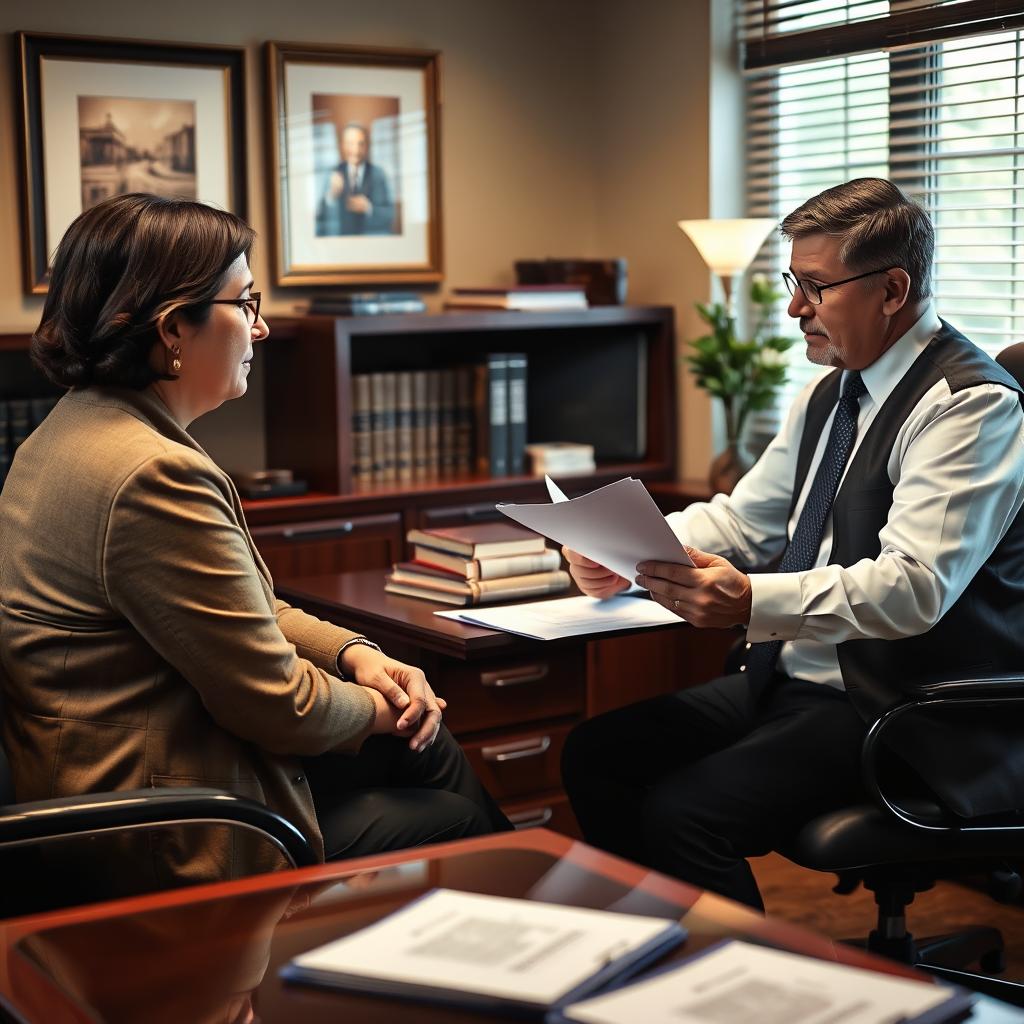
Guardianship Lawyer Dutchess County
You need a Guardianship Lawyer Dutchess County to secure legal authority over a minor or incapacitated person. Law Offices Of SRIS, P.C. —Advocacy Without Borders. handles Article 17-A and Article 81 petitions in Dutchess County Surrogate’s Court. The process demands precise legal filings and court appearances. Our Dutchess County Location provides direct representation for these sensitive matters. (Confirmed by SRIS, P.C.)
Statutory Definition of Guardianship in New York
New York guardianship law is primarily governed by the Mental Hygiene Law Article 81 and Surrogate’s Court Procedure Act Article 17-A. Article 81 establishes guardianship for incapacitated adults, while Article 17-A covers guardianship for individuals with developmental disabilities. The court’s authority is rooted in protecting the personal needs and property management of those who cannot care for themselves. A Guardianship Lawyer Dutchess County must handle these distinct statutory frameworks. The legal standard requires clear and convincing evidence of incapacity. This evidence is presented to the Dutchess County Surrogate’s Court judge. The court’s primary concern is the welfare of the alleged incapacitated person. Guardianship is a significant deprivation of individual rights. Therefore, the legal process is intentionally rigorous. A petition must detail the specific areas where the person needs assistance. The court can grant limited or full powers to the guardian. This legal action permanently alters the individual’s legal status. It is not a step to be taken without experienced counsel.
MHL Article 81 — Judicial Proceeding — Grants authority over person and/or property. This statute defines the process for appointing a guardian for an incapacitated person. The petition must be filed in the county where the person resides. The court appoints a court evaluator to investigate the allegations. A hearing is held where evidence of incapacity is presented. The guardian’s powers are specifically enumerated in the court order.
What is the legal standard for proving incapacity?
The petitioner must prove incapacity by clear and convincing evidence. This is a high legal burden requiring substantial proof. Medical testimony and affidavits are typically necessary. The court must find the person cannot manage personal or financial affairs. This finding must be based on functional limitations, not just a diagnosis.
What is the difference between Article 81 and Article 17-A guardianship?
Article 81 applies to adults who become incapacitated due to age, illness, or injury. Article 17-A is specifically for persons with intellectual or developmental disabilities. The Article 17-A process often requires certification from two physicians. Article 81 involves a court evaluator’s investigation. A Guardianship Lawyer Dutchess County determines which statute applies to your case.
Can a guardianship be limited or temporary?
Yes, New York law favors limited guardianships over full guardianships. The court order can restrict the guardian’s powers to specific needs. A temporary guardian can be appointed for urgent situations. This temporary order lasts until a full hearing is completed. The court always seeks the least restrictive alternative for the individual. Learn more about Virginia legal services.
The Insider Procedural Edge in Dutchess County
All guardianship petitions for Dutchess County residents are filed at the Dutchess County Surrogate’s Court located at 10 Market Street, Poughkeepsie, NY 12601. The court operates on a strict filing schedule and requires original documents with multiple copies. Procedural specifics for Dutchess County are reviewed during a Consultation by appointment at our Dutchess County Location. The court clerk’s Location reviews petitions for completeness before they are assigned to a judge. Missing a single form or fee will cause significant delays. Local rules mandate specific formatting for all submitted papers. The court maintains a dedicated part for guardianship matters. Knowing the assigned judge’s preferences is a critical advantage. Timelines from filing to hearing can vary based on court calendar backlogs. A court evaluator will be appointed in every Article 81 proceeding. This evaluator interviews all relevant parties and files a report. The evaluator’s recommendation carries substantial weight with the Surrogate. Failure to properly serve all required parties invalidates the petition. Service must comply with New York Civil Practice Law and Rules. This includes the alleged incapacitated person and certain family members. An experienced Guardianship Lawyer Dutchess County ensures every procedural step is correctly executed.
What is the typical timeline for a guardianship proceeding?
A standard uncontested guardianship can take four to six months in Dutchess County. The court evaluator’s investigation alone may require 60 to 90 days. Hearing dates are set based on the court’s available calendar. Contested matters can extend the process to a year or more. Expedited hearings for temporary orders may be scheduled within weeks.
Who must be notified of the guardianship petition?
The alleged incapacitated person must be served with the petition personally. Specific family members, as defined by statute, must also receive notice. This includes spouses, parents, adult children, and adult siblings. The facility where the person resides must also be notified. The notice must include the time and date of the court hearing.
Penalties, Responsibilities, and Defense Strategies
The most significant consequence of guardianship is the loss of fundamental personal and financial rights. The court order grants the guardian control over healthcare, residence, and finances. The guardian must file annual reports and accountings with the court. Failure to comply with reporting duties can result in removal and surcharges. A guardian can be held personally liable for mismanagement of assets. The court closely monitors all guardian activities. Family disputes over who should serve as guardian are common. These conflicts can derail the petition and cause lasting division. Objections can be filed by any interested party, including the alleged incapacitated person. Defending against an unnecessary guardianship requires demonstrating the person’s retained capacity. Strategies often involve presenting contrary medical evidence and testimony about daily functioning. The goal is to show the court that less restrictive alternatives are available. A Guardianship Lawyer Dutchess County builds a defense focused on the individual’s actual abilities. Learn more about criminal defense representation.
| Guardian Duty / Risk | Consequence | Notes |
|---|---|---|
| Failure to File Annual Accounting | Court Surcharge; Removal | The court can impose monetary penalties for missing deadlines. |
| Mismanagement of Property | Personal Liability; Restitution | The guardian may have to repay the estate from personal funds. |
| Acting Beyond Court Order Powers | Action Voided; Removal | Any act not authorized by the order has no legal effect. |
| Conflict of Interest | Disqualification | Using the position for personal gain is strictly prohibited. |
[Insider Insight] The Dutchess County Surrogate’s Court scrutinizes initial petitions for detail. Vague petitions that lack specific examples of incapacity are often rejected. The court evaluator assigned locally tends to favor family members as guardians over professionals, unless significant conflict exists. Providing a detailed, concrete care plan in the petition is advantageous.
What are the ongoing duties of a court-appointed guardian?
The guardian must file an initial inventory of the person’s assets. Annual reports on the person’s well-being are required by law. A detailed accounting of all financial transactions must be submitted annually. The guardian must seek court approval for major financial decisions. These duties continue for the duration of the guardianship.
Can a guardianship be challenged or terminated?
Yes, a guardianship can be modified or terminated by the court. The alleged incapacitated person can petition to restore their rights. A showing of improved capacity can lead to termination. An interested party can also petition to remove a guardian for cause. This requires a hearing with evidence of the guardian’s failure.
Why Hire SRIS, P.C. for Dutchess County Guardianship
Our lead attorney for guardianship matters has over fifteen years of experience in New York Surrogate’s Court procedures. We understand the local judicial expectations in Poughkeepsie. SRIS, P.C. provides direct, assertive representation for petitioners and respondents. We prepare every case as if it will be contested. Our team ensures all medical evidence is properly presented to the court. We draft precise petitions that meet the Surrogate’s specific requirements. We manage all communication with court-appointed evaluators and examiners. Our goal is to secure a lawful and appropriate outcome efficiently. We recognize the emotional weight of these proceedings for families. Our approach is factual, direct, and focused on the legal objectives. Hiring a dedicated Guardianship Lawyer Dutchess County prevents procedural missteps. We protect the rights of all parties involved in the case. Learn more about DUI defense services.
Lead Counsel: Our primary attorney for Dutchess County guardianship cases has extensive experience in Surrogate’s Court litigation. This attorney has handled numerous Article 81 and Article 17-A proceedings. Their practice is focused on elder law and disability rights. They are familiar with the judges and court staff in Poughkeepsie. This local knowledge informs every strategy we develop.
Localized Guardianship FAQs for Dutchess County
How much does a guardianship lawyer cost in Dutchess County?
Legal fees vary based on case complexity and whether it is contested. Most attorneys charge an hourly rate for guardianship proceedings. SRIS, P.C. discusses fee structures during a Consultation by appointment. Court costs and evaluator fees are separate from legal fees.
How long does a guardianship last in New York?
A guardianship remains in effect until the court terminates it. This typically happens upon the death of the incapacitated person or a showing of restored capacity. The guardian must file reports annually to maintain the appointment. The court can review the guardianship at any time.
Who can be a guardian in Dutchess County?
A guardian can be a family member, friend, or a professional. The court prioritates the best interests of the incapacitated person. The proposed guardian must be willing and able to serve. The court conducts a background review of the proposed guardian. Conflicts of interest can disqualify a candidate. Learn more about our experienced legal team.
What is the role of the court evaluator?
The court evaluator is an independent attorney appointed by the Surrogate. They investigate the allegations in the petition and interview relevant parties. The evaluator submits a report with recommendations to the judge. This report is a critical part of the court’s decision-making process.
Can I get guardianship of an elderly parent in Poughkeepsie?
Yes, if your parent is incapacitated and resides in Dutchess County. You must file an Article 81 petition in the Dutchess County Surrogate’s Court. You must prove they cannot manage personal or financial affairs. Medical documentation is required. A hearing will be scheduled before a judge.
Proximity, CTA & Disclaimer
Our Dutchess County Location serves clients throughout the Hudson Valley. We are accessible from Poughkeepsie, Beacon, Rhinebeck, and Wappingers Falls. Procedural specifics for Dutchess County are reviewed during a Consultation by appointment. Call 24/7 to discuss your guardianship matter with our team. We provide direct legal guidance for these complex family law proceedings.
Consultation by appointment. Call (845) 452-5900. 24/7.
Law Offices Of SRIS, P.C.
Dutchess County Location
(Address details confirmed during consultation)
Past results do not predict future outcomes.