
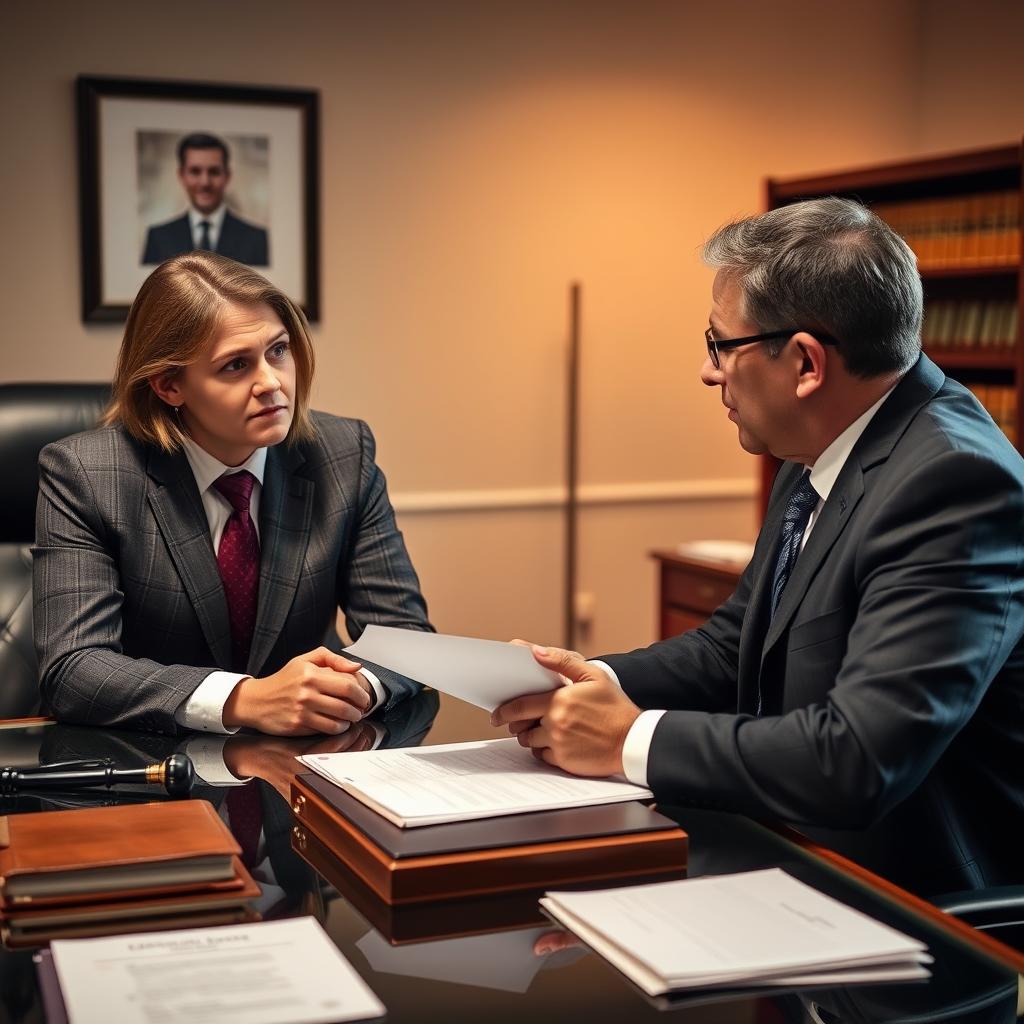
Fault Based Divorce Lawyer Saratoga County, NY
You discover evidence of your spouse’s infidelity—a hidden phone, an unexplained account—and suddenly the floor drops out from under you. In Saratoga County, a fault‑based divorce isn’t just about ending a marriage; it can change how property is divided and whether you receive spousal support. Mr. Sris, Owner and Founder of Law Offices Of SRIS, P.C., and his Of Counsel team understand that proving fault takes careful preparation. We help clients in Ballston Spa, Clifton Park, Saratoga Springs, and surrounding communities present the facts the court needs. If you are considering a divorce based on adultery, cruelty, or abandonment, reach our New York location at (888) 437‑7747 to request a consultation. Law Offices Of SRIS, P.C. – Advocacy Without Borders.
How Mr. Sris and His Of Counsel Approach Fault‑Based Divorce
When you allege fault in a New York divorce, you carry the burden of proof. That means evidence—phone records, financial trails, witness testimony—becomes central to your case. Mr. Sris and his Of Counsel begin by listening to your story, then map out what the court will need and how to gather it without unnecessary intrusion. We assess whether the circumstances meet the legal standard for adultery, cruel and inhuman treatment, or abandonment under the Domestic Relations Law. Alongside proving the ground, we always look for ways to reach a resolution that protects your financial future and, when children are involved, your relationship with them. Our approach is to pair direct courtroom experience with a practical, client‑focused strategy—because we know you are dealing with more than legal papers.
What to Expect When You File in Saratoga County
A fault‑based divorce action starts with the filing of a Summons with Notice or a Summons and Complaint in the New York State Supreme Court, Saratoga County. The case is commenced at the courthouse at 30 McMaster Street in Ballston Spa. The filing fee includes a $335 index number and a $95 Request for Judicial Intervention, which gets the matter assigned to a judge. Once the papers are served on your spouse, the court may schedule a preliminary conference to set a discovery schedule. Saratoga County Supreme Court hours are Monday through Friday, 9:00 a.m. To 5:00 p.m., and counsel plan filings accordingly. The timeline for a contested divorce varies; cases that resolve by settlement can conclude in a matter of months, while trials may extend longer. We handle each step—from exchanging financial disclosures to attending settlement conferences—so you move forward with clarity.
How Fault Affects the Outcome
New York is an equitable distribution state, which means marital property is divided fairly—not necessarily equally. Although courts focus on economic factors, a finding of fault can influence how a judge weighs the equities. For example, in a divorce based on adultery, the court may consider marital waste if assets were spent on the extramarital relationship. Cruelty or abandonment can also color a judge’s view when deciding maintenance (alimony). In child custody matters, a parent’s conduct is relevant only if it adversely impacts the child’s well‑being, but extreme behavior can become a factor. The interplay between fault and financial outcomes is rarely black and white; experienced counsel can help you understand what the particular facts of your case are likely to mean inside a Saratoga County courtroom.
About Mr. Sris and His Of Counsel Team
Mr. Sris, Owner and Founder of Law Offices Of SRIS, P.C., is a former prosecutor who has practiced since 1997. He is admitted in Virginia, Maryland, the District of Columbia, New Jersey, and New York. Mr. Sris testified before the Virginia House Courts of Justice Committee in support of 2019 HB 635 (chief patron Del. David Bulova). He and his Of Counsel bring over 120 years of combined legal experience, backed by 4,739+ documented firm-wide results. Results may vary.
Our Of Counsel attorneys are engaged through Excella and support Mr. Sris across a broad range of family law matters. For fault‑based divorce cases in Saratoga County, the team draws on its courtroom knowledge to guide you through the process, from initial filing through trial or negotiated resolution. We work collaboratively so that you benefit from multiple perspectives on strategy and evidence while maintaining a direct, personal level of attention to your matter.
Frequently Asked Questions
What is a fault‑based divorce in New York?
A fault‑based divorce is one in which the spouse who files alleges that the other spouse committed a wrongful act defined by the Domestic Relations Law, such as adultery, cruel and inhuman treatment, or abandonment. Unlike a no‑fault divorce, which requires only a statement that the marriage has irretrievably broken down for at least six months, a fault‑based case puts the reason for the breakdown at issue. The spouse who raises the fault must present admissible evidence to prove it. The ground you choose can influence property division and maintenance, which is why many people in Saratoga County consult an attorney before deciding how to file.
What grounds qualify as fault for a divorce in Saratoga County?
New York’s Domestic Relations Law § 170 lists three fault grounds: adultery, cruel and inhuman treatment, and abandonment for at least one year. Adultery requires proof that your spouse voluntarily engaged in sexual intercourse with another person. Cruel and inhuman treatment means conduct that endangers your physical or mental well‑being, making it unsafe or improper to continue living together. Abandonment can be actual—your spouse left without justification—or constructive, such as a refusal to have marital relations. Each ground has its own evidentiary requirements, and the Saratoga County Supreme Court evaluates the facts presented in light of that specific legal standard.
How does adultery affect a New York divorce?
Adultery can influence equitable distribution and spousal maintenance if it resulted in the dissipation of marital assets. For example, if your spouse spent significant funds on the extramarital relationship, the court may award you a larger share of the remaining property to offset the waste. Adultery does not automatically bar the offending spouse from receiving maintenance, but it is one of many factors the judge may consider. In Saratoga County, as elsewhere in New York, the burden falls on the accusing spouse to produce clear evidence—usually more than mere suspicion—to persuade the court that adultery occurred.
Can a fault‑based divorce affect child custody in Saratoga County?
A fault ground alone rarely decides custody, but if the misconduct directly harms the child or impairs a parent’s ability to care for the child, the court will weigh it. New York custody determinations are governed by the “best interests of the child” standard. Adultery that does not affect the child’s welfare is generally not a custody issue. However, conduct such as domestic violence or a substance‑abuse‑fueled cruel treatment pattern can be highly relevant. In Saratoga County Family Court and Supreme Court, judges look at each parent’s character, stability, and willingness to foster a relationship with the other parent. If fault conduct undermines those qualities, it may tip the scales.
What is the burden of proof for a fault‑based divorce?
In a fault‑based divorce, the spouse alleging the fault must prove the ground by a preponderance of the evidence, meaning it is more likely than not that the misconduct occurred. This is a lower standard than “beyond a reasonable doubt,” which applies in criminal cases, but it still requires substantial, credible evidence. Documentary proof, such as hotel receipts, electronic messages, or financial records, often supplements testimony. Because the accuser bears the burden, working with an attorney who understands how to build a record in Saratoga County Supreme Court is essential. Even if fault is established, the court’s rulings on property and support will reflect the overall equities, not just the presence of misconduct.
Do I need a lawyer for a fault‑based divorce in Saratoga County?
You are not required to have a lawyer, but proving fault grounds involves legal and evidentiary challenges that are difficult to manage without experienced counsel. New York’s procedural rules demand that the complaint and supporting documents be drafted correctly, and the discovery process can be contentious. Self‑represented parties often struggle to meet evidentiary standards or to counter arguments raised by the other side. An attorney can help you evaluate whether the strength of the fault evidence warrants its use, negotiate terms that might avoid a trial altogether, and, if necessary, present your case in court. To discuss your specific situation, reach Law Offices Of SRIS, P.C. at (888) 437‑7747.
Our firm represents clients in family law matters throughout New York. For assistance in other parts of the state, see our pages for Manhattan family law representation, Brooklyn family law, Queens divorce attorney, Staten Island family lawyer, and Nassau County family attorney. Visit our New York family law practice hub for a broader overview.
For additional information on the statutes that govern divorce in New York, you can review the New York Domestic Relations Law § 170 and the Saratoga County Supreme Court website.
Law Offices Of SRIS, P.C.
New York Location
50 Fountain Plaza, Suite 1400, Office No. 142
Buffalo, NY 14202
(888) 437‑7747
By appointment only. Call to schedule a consultation.
Attorney advertising. Prior results do not guarantee a similar outcome. Case results depend on a variety of factors unique to each case.