
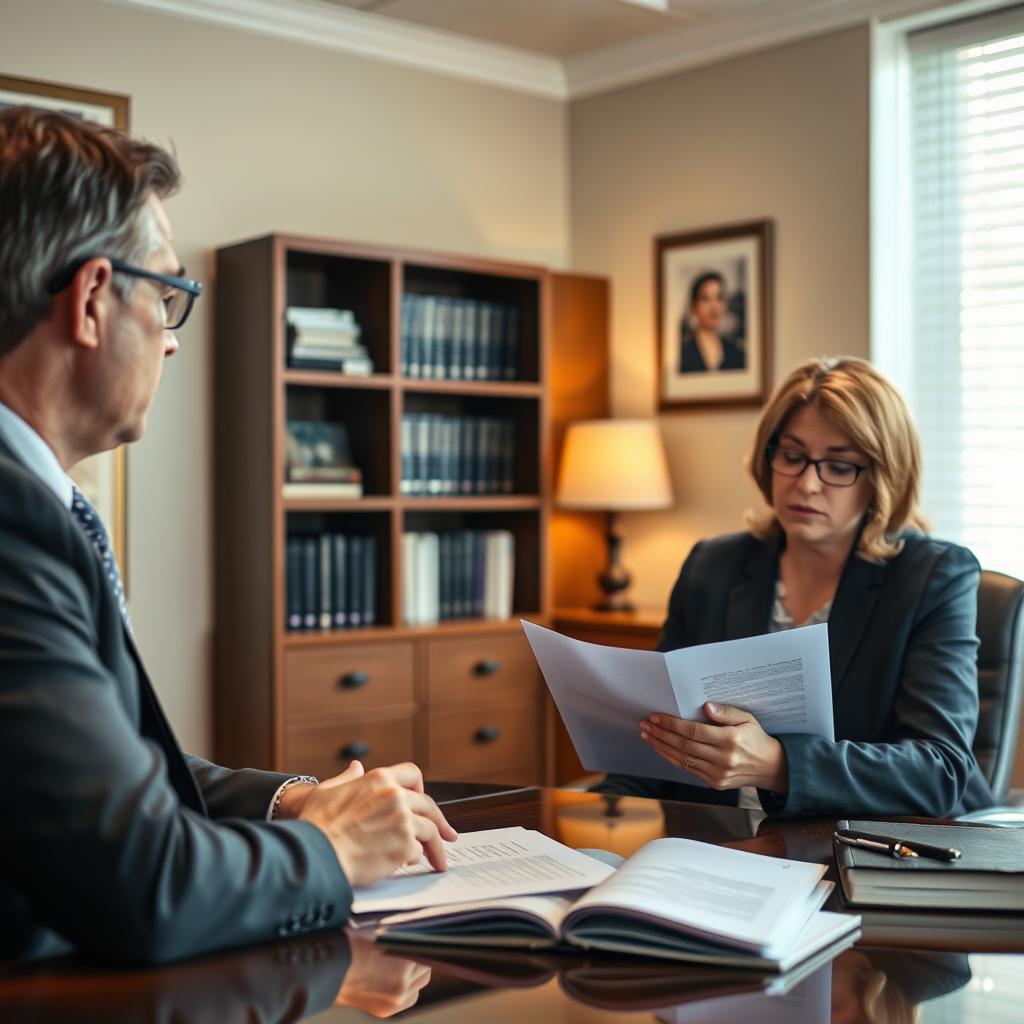
Fault Based Divorce Lawyer Onondaga County, NY
You have discovered evidence of adultery. You have been subjected to cruelty in your marriage. You are considering divorce in Onondaga County, New York, and you want to know whether the courts will hold your spouse accountable for their conduct. A fault‑based divorce permits you to place the reason for the marriage breakdown before the court, and it can shape the outcome of property division, spousal support, and even child‑centered decisions. Law Offices Of SRIS, P.C. Concentrates on representing clients who are pursuing or defending against fault‑based divorce actions in the Onondaga County Supreme Court. Mr. Sris and his Of Counsel bring over 120 years of combined legal experience and 4,739+ documented firm-wide results to these matters. Results may vary. Reach our location at (888) 437‑7747 to request a consultation. Law Offices Of SRIS, P.C. – Advocacy Without Borders.
What Fault Based Divorce Means in Onondaga County, New York
New York is often described as a no‑fault divorce state, but the law still recognizes several fault grounds under New York Domestic Relations Law § 170. Those grounds include adultery, cruel and inhuman treatment, abandonment for one or more years, and confinement of the defendant in prison for three or more years. A party who proves one of these grounds may obtain a divorce without waiting for the six‑month separation period that a no‑fault action requires, though the practical timeline still depends on court scheduling and settlement dynamics. In Onondaga County, all divorce and equitable distribution matters are heard in the Onondaga County Supreme Court at 401 Montgomery Street, Syracuse, New York 13202, while related custody, support, and family offense petitions proceed in the Onondaga County Family Court. The court applies New York’s equitable distribution statute to divide marital property, and fault may be one of the factors the court weighs when deciding whether a distribution that departs from an equal split is warranted.
Because fault is litigated in open court, pursuing a fault‑based divorce often requires a careful evidentiary presentation. Adultery, for example, is rarely proven by direct testimony; the court may accept circumstantial evidence of inclination and opportunity. Cruelty requires a showing that the spouse’s conduct endangers the physical or mental well‑being of the complaining party and renders cohabitation unsafe or improper. The Onondaga County judiciary is familiar with these standards, and a well‑prepared case must address the procedural rules that govern discovery, motions, and the mandatory preliminary conference that the Supreme Court schedules early in contested divorce actions. Mr. Sris and his Of Counsel draw on extensive experience in family law to present the evidence the court requires while protecting the client’s broader interests.
How Mr. Sris and His Of Counsel Handle Fault Based Divorce Cases in Onondaga County
Every fault‑based divorce begins with a detailed review of the facts. Mr. Sris and his Of Counsel meet with the client to understand the events that led to the breakdown of the marriage, identify the evidence that may support the chosen fault ground, and assess how a fault‑finding could affect the ancillary issues of property division, spousal maintenance, and, when relevant, custody. They prepare and file the summons and complaint, serve the defendant in accordance with New York procedural rules, and, if temporary relief is needed, move for pendente lite orders addressing support, custody, or exclusive occupancy of the marital residence. Automatic orders under DRL § 236 freeze marital assets and prohibit changes to insurance coverage immediately upon filing, and the team ensures clients understand those restrictions from the outset.
Once the action is underway, Mr. Sris and his Of Counsel engage in discovery tailored to the fault ground at issue. In an adultery‑based case, for example, they may seek phone records, financial statements showing expenditures on a paramour, or testimony from investigators. In a cruelty‑based case, they work with the client to document the history of conduct through medical records, photographs, text messages, or testimony from witnesses. Throughout the process, the team pursues settlement where it aligns with the client’s goals, but they prepare every file as though it will proceed to trial before the Onondaga County Supreme Court. The firm’s familiarity with local practice, including the preferences of assignment judges and the procedures of the Fifth Judicial District, helps them anticipate the court’s expectations and move the case forward efficiently. Results may vary.
About Mr. Sris and His Of Counsel Team
Mr. Sris, Owner and Founder of Law Offices Of SRIS, P.C., is a former prosecutor who has been practicing since 1997. He is admitted in Virginia, Maryland, the District of Columbia, New Jersey, and New York, and he leads the firm’s family law practice. Mr. Sris testified before the Virginia House Courts of Justice Committee in support of 2019 HB 635 (chief patron Del. David Bulova). His hands‑on approach keeps him involved in the strategy of every family law matter the firm handles. Working alongside Mr. Sris, the firm’s Of Counsel team contributes decades of additional court experience, creating a deep bench that allows the practice to serve clients in Onondaga County and throughout New York State. Over 120 years of combined legal experience and 4,739+ documented firm-wide results between Mr. Sris and his Of Counsel helps the firm address both the immediate procedural demands of a fault‑based divorce and the long‑term financial and personal consequences. Results may vary.
Frequently Asked Questions
What are the grounds for a fault‑based divorce in New York?
New York Domestic Relations Law § 170 recognizes four fault grounds: adultery, cruel and inhuman treatment, abandonment for at least one year, and confinement in prison for three or more consecutive years. Unlike the no‑fault ground, these grounds do not require a six‑month separation period, though the case must still progress through the Onondaga County Supreme Court’s scheduling system. Proof of a fault ground may influence equitable distribution and spousal maintenance. Mr. Sris and his Of Counsel evaluate which ground best fits the facts before filing the complaint. For guidance on your specific situation, reach Law Offices Of SRIS, P.C. at (888) 437‑7747.
Does fault affect property division in Onondaga County?
Yes, a spouse’s marital fault can be considered by the court when dividing marital property under New York’s equitable distribution statute, DRL § 236. New York requires an equitable, not necessarily equal, division of marital assets, and the statutory factors include any conduct that contributed to the dissolution of the marriage. A proven adultery or cruelty claim may therefore result in a distribution that favors the innocent spouse, particularly if the fault had a financial impact on the family. Each case is assessed on its own facts, and Mr. Sris and his Of Counsel present evidence designed to demonstrate why a disproportionate award is appropriate. To discuss the details of your matter, contact Law Offices Of SRIS, P.C. at (888) 437‑7747.
Do I need a lawyer for a fault‑based divorce in Onondaga County?
While you are not legally required to hire a lawyer, fault‑based divorce cases involve complex evidentiary burdens and procedural rules that are difficult to navigate without representation. Proving fault typically requires presenting witnesses, records, and other evidence that must meet the court’s foundational requirements. Mistakes in discovery or motion practice can delay the case or weaken the claim. Mr. Sris and his Of Counsel manage the preparation, filing, and advocacy so that you can focus on moving forward. Request a consultation by calling Law Offices Of SRIS, P.C. at (888) 437‑7747.
How does an Onondaga County divorce lawyer help with a fault‑based case?
An experienced attorney gathers evidence, prepares the legal paperwork, and advocates for the client’s position at every stage of the proceeding. Mr. Sris and his Of Counsel interview witnesses, serve subpoenas for documents, and file motions for temporary relief when needed. They negotiate with opposing counsel to seek a resolution that meets the client’s objectives, and they are prepared to try the case before the Onondaga County Supreme Court if a settlement is not reached. Their familiarity with the Fifth Judicial District’s procedures helps streamline the litigation process. For a consultation, reach Mr. Sris and his Of Counsel at (888) 437‑7747.
New York Family Law Resources ·
Manhattan Family Law ·
Brooklyn Family Law ·
Queens Family Law ·
Staten Island Family Law
New York Domestic Relations Law § 170 ·
New York State Unified Court System ·
Onondaga County Supreme and County Courts
Attorney advertising. Prior results do not guarantee a similar outcome. Case results depend on a variety of factors unique to each case. Results may vary.