
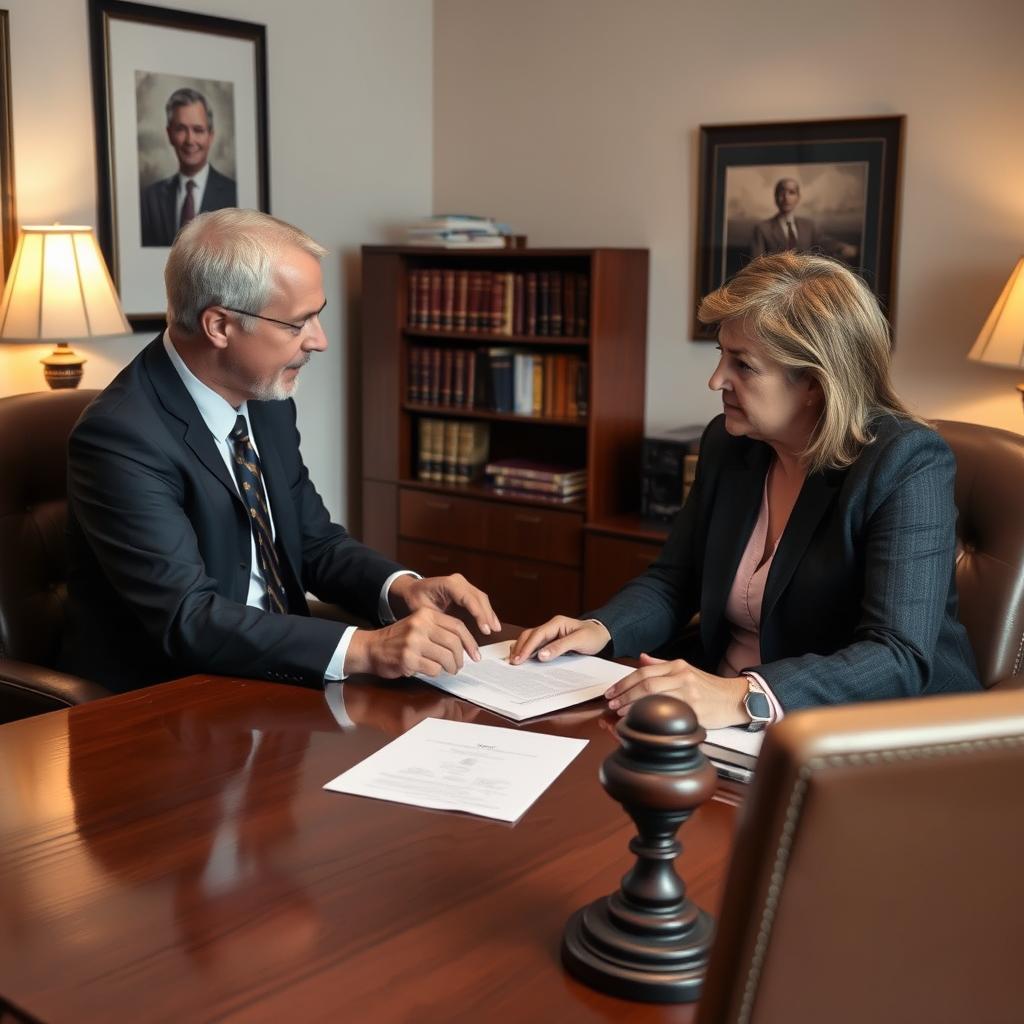
Fault Based Divorce Lawyer Erie County
You need a Fault Based Divorce Lawyer Erie County to prove specific marital misconduct under New York law. Law Offices Of SRIS, P.C. —Advocacy Without Borders. handles these contested cases in Erie County Supreme Court. Grounds include adultery, cruel treatment, or abandonment. You must provide clear evidence to the court. Fault divorces impact alimony and asset division. SRIS, P.C. (Confirmed by SRIS, P.C.)
Statutory Definition of Fault Divorce in New York
New York Domestic Relations Law § 170 — Fault Grounds — No specific statutory penalty but affects financial awards. Fault grounds for divorce in New York are defined by statute. You must prove one of several specific acts of marital misconduct. The grounds are adultery, cruel and inhuman treatment, abandonment, imprisonment, or a divorce judgment from a previous marriage. A Fault Based Divorce Lawyer Erie County handles the evidence requirements for these claims. The classification is a matrimonial action, not a criminal case. The outcome directly influences spousal support and property distribution. New York law requires clear and convincing evidence of the fault. This is a higher standard than a simple no-fault divorce. The process is inherently adversarial and contested.
What are the fault grounds for divorce in New York?
Adultery, cruel and inhuman treatment, and abandonment for one year are primary grounds. New York Domestic Relations Law § 170 lists the specific fault grounds. Adultery requires proof of a voluntary sexual act. Cruel and inhuman treatment must endanger your physical or mental well-being. Abandonment requires one year of unjustified absence. You can also cite imprisonment for three consecutive years. A divorce judgment from a previous marriage that was not dissolved is another ground. Each ground has distinct procedural and evidentiary hurdles.
How does fault impact alimony in Erie County?
Fault is a direct factor a judge must consider for spousal maintenance. New York Domestic Relations Law § 236(B)(6) governs maintenance awards. The court must consider the misconduct of either party. Proven fault can increase the amount or duration of support paid to the innocent spouse. It can also bar a guilty spouse from receiving support. Erie County judges review the nature and severity of the misconduct. This differs from a no-fault divorce where conduct is often irrelevant. Your Fault Based Divorce Lawyer Erie County will present evidence of fault to argue for a favorable support order.
What is the difference between cruel treatment and adultery?
Cruel treatment is a pattern of behavior, while adultery is a specific act. Cruel and inhuman treatment under DRL § 170(1) requires a course of conduct. This conduct must make cohabitation unsafe or improper. It involves physical violence or significant mental cruelty. Adultery under DRL § 170(4) is defined as a single act of sexual intercourse. Proving adultery often requires circumstantial evidence like hotel receipts or communications. The defenses and discovery process differ for each ground. A lawyer must choose the ground that matches your available evidence.
The Insider Procedural Edge in Erie County
Your case is filed at the Erie County Supreme Court, 92 Franklin Street, Buffalo, NY 14202. All matrimonial actions in Erie County are heard in the Supreme Court. The court is located in downtown Buffalo. Procedural facts specific to Erie County include mandatory preliminary conferences. You must file a Request for Judicial Intervention (RJI) to start the case. The court assigns a specific judge to manage all aspects of the divorce. Filing fees are required and must be paid at initiation. The timeline from filing to trial can exceed one year for contested fault cases. Local rules require compliance with strict discovery deadlines. The court expects all parties to engage in good-faith settlement discussions. Your attorney must be familiar with the individual judge’s preferences for motion practice. Learn more about Virginia family law services.
What is the typical timeline for a fault divorce here?
A contested fault divorce in Erie County often takes 12 to 18 months. The timeline depends on the complexity of the issues and court scheduling. After filing and serving the summons, the defendant has time to answer. The preliminary conference sets discovery and motion deadlines. Discovery in fault cases can be lengthy due to gathering evidence of misconduct. If settlement fails, the case proceeds to a trial date. Court backlogs can cause additional delays. A skilled attorney works to move the case forward efficiently.
What are the court filing fees in Erie County?
The index number filing fee for a divorce action in Erie County is $210. This fee is paid to the County Clerk when you file the summons. Additional fees apply for motions, note of issue, and other filings. The Request for Judicial Intervention (RJI) may have a separate fee. If you cannot afford the fees, you can apply for a poor person’s relief. Your attorney will calculate the total expected court costs for your case. These fees are separate from legal representation costs.
Penalties & Defense Strategies for Fault Divorce
The most common penalty in a fault divorce is a disproportionate financial award against the at-fault spouse. While not a criminal penalty, the financial consequences are severe. The court can award more assets to the innocent party. It can order the at-fault spouse to pay a larger share of the marital debt. Spousal maintenance can be increased or awarded for a longer duration. In extreme cases, fault can affect parental rights, though child support is based on income. The table below outlines potential outcomes.
| Offense / Finding | Potential Consequence | Notes |
|---|---|---|
| Adultery Proven | Reduced or denied spousal maintenance for guilty spouse; possible unequal asset distribution. | Requires clear and convincing evidence. Can impact reputation. |
| Cruel Treatment Proven | Increased spousal maintenance to victim; potential restraining orders; fault in custody evaluation. | Often involves testimony from witnesses, medical records. |
| Abandonment Proven | Guilty spouse may be responsible for a larger share of marital bills accrued during absence. | Must prove unjustified departure and refusal to return for one year. |
| Fault Affecting Property Division | Court may award a greater percentage of marital assets to the innocent party (e.g., 60/40 split). | New York is an equitable distribution state; fault is a relevant factor. |
[Insider Insight] Erie County judges take allegations of domestic violence or financial deceit seriously in fault determinations. Prosecutors in related family offense proceedings coordinate with Supreme Court matrimonial judges. Evidence from a family court order of protection is often admitted in the divorce. Local prosecutors may pursue criminal charges for egregious conduct like assault, which then becomes proof of fault in the divorce. Your defense strategy must address both the civil and potential criminal implications. Learn more about criminal defense representation.
Can fault affect child custody in New York?
Fault can impact custody if the misconduct directly harms the child’s best interests. The primary standard in New York is the best interests of the child. Misconduct like domestic violence in the home is a major factor. Substance abuse or criminal activity that endangers the child is considered. Adultery alone rarely affects custody unless it involves neglect. The court will evaluate the parent’s behavior and its effect on the child. Your attorney must frame the fault arguments within the custody context.
How do you defend against false fault allegations?
You mount a vigorous defense by gathering evidence to rebut the claims. This includes collecting communications, witness statements, and documentation. For adultery allegations, proof of lack of opportunity or an alibi is key. Against cruelty claims, evidence of a functional marriage and lack of medical treatment helps. Your attorney will file motions to dismiss insufficient claims early. Cross-examination of the accusing spouse at deposition is critical. The goal is to show the court the allegations are fabricated or exaggerated.
Why Hire SRIS, P.C. for Your Erie County Fault Divorce
Our lead attorney for Erie County matrimonial matters has over 15 years of contested litigation experience. SRIS, P.C. attorneys understand the high stakes of fault-based proceedings.
Lead Matrimonial Counsel: The attorney handling complex fault divorces in Erie County is a seasoned litigator. This lawyer has specific experience examining witnesses on sensitive issues like adultery and cruelty. They have negotiated and tried cases in Erie County Supreme Court. Their background includes handling cases with interrelated criminal charges. They know how to present evidence to meet the clear and convincing standard. Learn more about personal injury claims.
SRIS, P.C. has a track record in Erie County family law. The firm’s approach is direct and strategic. We prepare every case for trial from the start. This posture often leads to stronger settlement positions. We manage the detailed discovery required for fault grounds. Our Location in the region provides easy access to the Buffalo courthouse. We coordinate with financial experienced attorneys and investigators when needed. You need an advocate who is not intimidated by a contested divorce. Our team provides that assertive representation.
Localized FAQs for Fault Divorce in Erie County
What evidence is needed to prove adultery in Erie County?
You need direct evidence or strong circumstantial proof like photos, communications, or witness testimony. Hotel receipts and credit card statements can support the claim. Private investigator reports are sometimes used. The evidence must show an opportunity and inclination for sexual intercourse.
How long must abandonment last for a fault divorce?
Abandonment must last for at least one continuous year under New York law. The leaving must be unjustified and without the consent of the other spouse. The abandoned spouse cannot have refused reconciliation during that year.
Can I get a fault divorce if we live in the same house?
You cannot claim abandonment if you cohabitate. However, cruel and inhuman treatment can occur while sharing a residence. You must prove the treatment made living together unsafe or improper. Learn more about our experienced legal team.
Does fault make the divorce process faster?
No, a fault divorce is typically slower than a no-fault divorce. The need to prove misconduct leads to more discovery, motions, and potentially a trial. This extends the timeline significantly.
What are the costs of a fault vs. no-fault divorce?
A fault divorce costs more due to increased attorney time for evidence gathering, discovery disputes, and trial preparation. Court fees are similar, but legal representation fees are substantially higher.
Proximity, CTA & Disclaimer
Our team serves clients throughout Erie County. The Erie County Supreme Court at 92 Franklin Street is centrally located in Buffalo. For a Consultation by appointment at our New York Location, call 24/7. Discuss your case with a Fault Based Divorce Lawyer Erie County from SRIS, P.C. We provide direct legal guidance for your matrimonial matter.
Law Offices Of SRIS, P.C.—Advocacy Without Borders.
Consultation by appointment. Call [phone]. 24/7.
Past results do not predict future outcomes.