
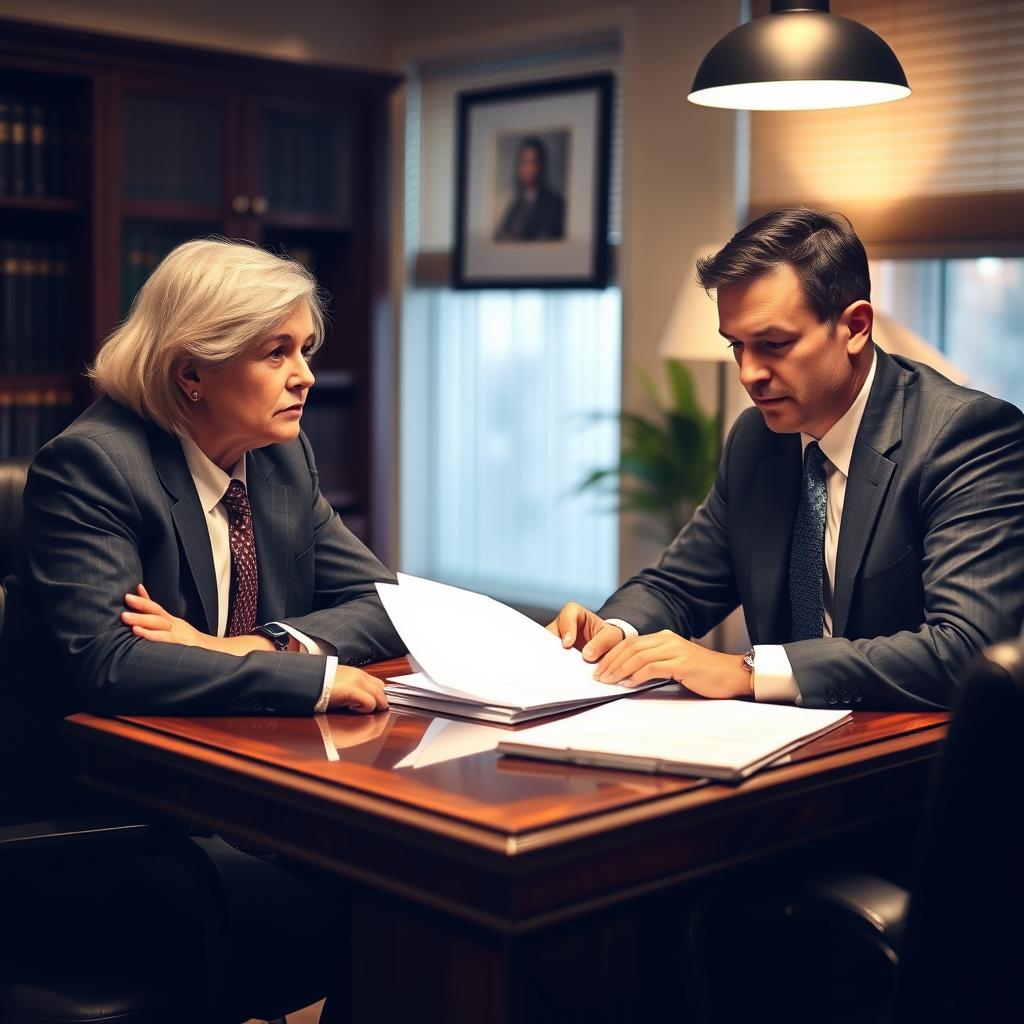
Fault Based Divorce Lawyer Clinton County, NY
You discovered evidence of your spouse’s affair. The suspicion you carried for months turned into something concrete—text messages, credit card receipts, photographs. Now you’re sitting in your living room in Plattsburgh, wondering whether a fault‑based divorce is the right path and what it means for your future. In Clinton County, New York, a divorce grounded on adultery, cruelty, abandonment, or imprisonment can shape everything from property division to spousal maintenance. Mr. Sris and his Of Counsel team can guide you through that decision and represent your interests in the Clinton County Supreme Court. Call (888) 437‑7747 to schedule a consultation. Law Offices Of SRIS, P.C. – Advocacy Without Borders.
Pursuing a Fault‑Based Divorce in Clinton County
New York’s Domestic Relations Law gives you more than one way to end a marriage. The no‑fault ground requires only that the relationship has been irretrievably broken for at least six months. Fault grounds let you allege specific misconduct and, in some cases, ask the court to weigh that misconduct when dividing marital property or awarding maintenance. Filing a fault‑based divorce adds a layer of proof—you must present evidence of the alleged behavior—but it can be a strategic choice when your spouse’s conduct directly damaged the marriage or your finances.
Adultery, cruel and inhuman treatment, abandonment for one year or more, and imprisonment for a consecutive period of three or more years after the marriage are the four fault grounds recognized under DRL § 170. Each ground carries its own pleading requirements and evidentiary burdens. For example, an adultery allegation must be supported by facts sufficient to show opportunity and inclination; direct evidence is rarely available, so courts often rely on circumstantial proof. Mr. Sris and his Of Counsel evaluate the viability of each ground, explain what you would need to prove, and help you decide whether a fault‑based approach serves your long‑term interests.
What to Expect at the Clinton County Supreme Court
Divorce actions in Clinton County are commenced in Supreme Court, located at 137 Margaret Street in Plattsburgh. After the complaint is filed and served, the case enters a discovery phase where both sides exchange financial disclosures and any evidence relevant to the fault allegations. New York’s automatic restraining orders, triggered by the filing, prohibit either spouse from selling assets, changing insurance beneficiaries, or taking other financial actions without the other’s consent or a court order.
The court will likely schedule a preliminary conference to set deadlines and explore settlement. If the fault ground is contested, the case may proceed to trial, where a judge will decide whether the alleged conduct occurred and how it affects equitable distribution, maintenance, and attorney fees. Throughout the process, Mr. Sris and his Of Counsel appear in the Clinton County Supreme Court, present your position, and work toward a resolution that protects your assets and your future.
How Fault Shapes the Outcome of a New York Divorce
New York uses equitable distribution, not community property, to divide marital assets. The court starts with a presumption that each spouse contributed equally to the marriage, but DRL § 236 allows the judge to consider “the circumstances of the case and of the respective parties,” including marital fault that “shocks the conscience” or directly wasted marital assets. A spouse who dissipated funds on an affair, for instance, may receive a reduced share of the marital estate or face a credit to the other spouse.
Maintenance—often called alimony—is calculated under statutory guidelines, but the court can deviate from the formula when a judgment of fault is entered. Adultery or cruelty that caused the marriage to fail can influence the amount and duration of maintenance, especially if the innocent spouse’s earning capacity was diminished by the marriage. Child custody decisions remain centered on the best interests of the child, and while fault itself does not determine custody, behavior that endangers a child or impairs a parent’s ability to care for them will be considered by the Family Court judge.
Why Choose Mr. Sris and His Of Counsel Team
Mr. Sris is a former prosecutor who founded Law Offices Of SRIS, P.C. in 1997. His background in the courtroom—cross‑examining witnesses, handling sensitive evidence, and anticipating the other side’s strategy—carries directly into fault‑based divorce litigation. When adultery or cruelty is alleged, the case often resembles a trial, and having an attorney who understands how to build and challenge a factual record matters.
Mr. Sris and his Of Counsel bring over 120 years of combined legal experience to family law matters, supported by 4,739+ documented firm-wide results. Results may vary. They appear regularly in New York courts, including the Clinton County Supreme Court, and handle the full range of divorce‑related issues—property division, maintenance, custody modifications, and enforcement. If your situation involves fault grounds, they can assess the evidence, help you weigh the emotional and financial costs of litigation, and advocate forcefully on your behalf.
Frequently Asked Questions About Fault‑Based Divorce in Clinton County, New York
What are the fault grounds for divorce in New York?
New York recognizes four fault grounds: adultery, cruel and inhuman treatment, abandonment for at least one year, and imprisonment for three or more consecutive years after the marriage. These grounds are set out in DRL § 170 and require the spouse filing for divorce to present credible evidence of the alleged misconduct. A no‑fault approach, based on irretrievable breakdown, is an alternative that does not require proof of fault.
Do I need a lawyer to file a fault‑based divorce in Clinton County?
You are not legally required to have a lawyer, but fault‑based divorces involve evidentiary rules, discovery obligations, and courtroom advocacy that make experienced legal counsel essential. Proving adultery or cruelty often means introducing witness testimony, financial records, or electronic evidence. Mr. Sris and his Of Counsel handle those evidentiary challenges and present your case in the Clinton County Supreme Court.
How long does a fault‑based divorce take in Clinton County?
The timeline varies by whether the grounds are contested, the complexity of the financial issues, and the court’s calendar. An uncontested divorce that settles early may resolve more quickly than one that proceeds through trial. Mr. Sris and his Of Counsel work to move the matter forward while protecting your interests. Contact our firm to discuss the likely timeframe for your specific situation.
Can I use evidence of adultery to get a better property settlement?
Adultery can be relevant to equitable distribution if the court finds that marital funds were wasted on the affair. For example, if your spouse spent joint assets on gifts, travel, or an apartment for a paramour, the court may give you a credit or award a larger share of the remaining marital property. The judge considers the marital misconduct under DRL § 236 and may adjust the distribution accordingly.
What if my spouse denies the fault allegations?
If your spouse contests the grounds, the case will proceed to discovery and possibly trial. You will need to present evidence—such as financial records, electronic communications, or witness testimony—to meet your burden of proof. Mr. Sris and his Of Counsel prepare you for each stage and build a record that supports your claims.
How do I start a fault‑based divorce in Clinton County?
Begin by consulting with an experienced divorce attorney who can evaluate the facts and explain your options. You will then decide which ground to plead, prepare and file a complaint in the Clinton County Supreme Court, and serve your spouse. The court imposes automatic restraining orders upon filing, and the case proceeds from there. Reach Law Offices Of SRIS, P.C. at (888) 437‑7747 to schedule a consultation.
Does the Family Court in Clinton County handle the divorce itself?
No. Divorce and equitable distribution are handled exclusively by the Supreme Court. The Clinton County Family Court hears custody, child support, family offense petitions, and other related matters. Mr. Sris and his Of Counsel can represent you in both courts if your case involves children or allegations of domestic violence.
What is the difference between a fault‑based and no‑fault divorce in New York?
A no‑fault divorce requires only that the marriage has been irretrievably broken for at least six months; a fault‑based divorce requires proof of specific marital misconduct. Fault can affect property division, maintenance, and attorney fee awards, but it also adds cost, time, and emotional strain. The choice depends on the facts of your case and your goals.
For a deeper statutory analysis, see Law Offices Of SRIS, P.C.’s comprehensive divorce guide.
Contact Our Firm
If you are considering a fault‑based divorce in Clinton County, call (888) 437‑7747 to request a consultation. Mr. Sris and his Of Counsel appear in the Clinton County Supreme Court and serve clients throughout Plattsburgh, Peru, Chazy, Dannemora, Rouses Point, Keeseville, Champlain, and Saranac. Our New York location is at 50 Fountain Plaza, Suite 1400, Office No. 142, Buffalo, NY 14202. By appointment only.
Attorney advertising. Prior results do not guarantee a similar outcome. Case results depend on a variety of factors unique to each case. Results may vary.