
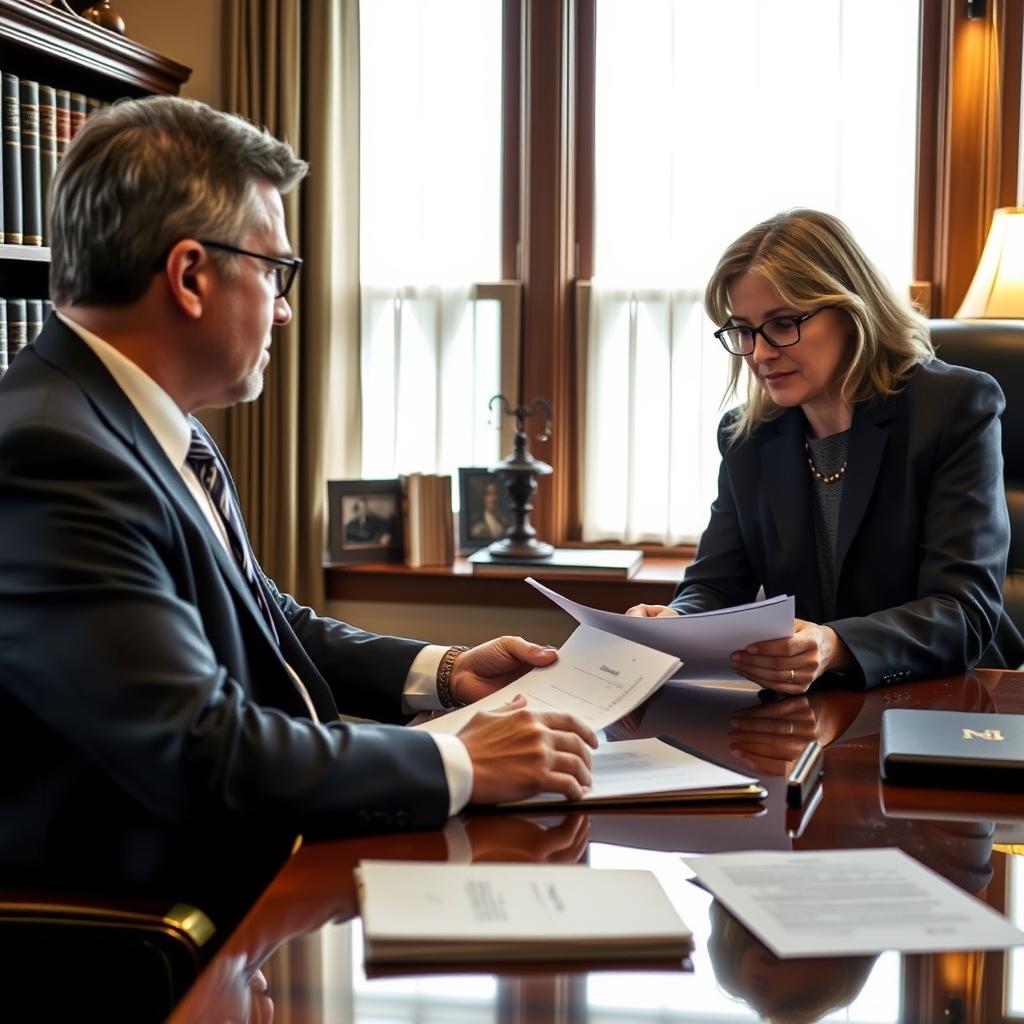
Divorce Lawyer Schoharie County
You need a divorce lawyer in Schoharie County to file and finalize your dissolution of marriage in New York Supreme Court. Law Offices Of SRIS, P.C. —Advocacy Without Borders. New York is an equitable distribution state, meaning marital property is divided fairly, not necessarily equally. The process requires specific forms, filing fees, and adherence to New York’s residency and grounds requirements. SRIS, P.C. provides direct legal representation for contested and uncontested divorces throughout Schoharie County. (Confirmed by SRIS, P.C.)
New York Divorce Law and Statutory Definition
New York Domestic Relations Law § 170 governs divorce, classifying it as a civil action with no criminal penalty but significant financial and custodial consequences. The statute outlines the specific legal grounds upon which a marriage can be dissolved in the state. Understanding these grounds is the first critical step in any divorce proceeding in Schoharie County. You must meet both residency requirements and prove one of the statutory grounds to file. This legal framework controls everything from property division to spousal support awards.
New York Domestic Relations Law § 170 establishes the grounds for divorce. New York is a “mixed” state, offering both no-fault and fault-based grounds. The no-fault ground is the irretrievable breakdown of the marriage for a period of six months. Fault grounds include cruel and inhuman treatment, abandonment for one year, imprisonment for three years, and adultery. The law also requires that at least one spouse meets New York’s residency requirement before filing. All financial and custodial issues must be resolved before a Judgment of Divorce is granted.
What are the residency requirements for a Schoharie County divorce?
You or your spouse must live in New York State for a continuous period before filing. The requirement is two years if the cause of action occurred outside New York. It is one year if you were married in New York, lived in New York as a married couple, or the cause of action occurred in New York. For a no-fault divorce based on irretrievable breakdown, you must also state under oath that the marriage has broken down for at least six months. These rules are strictly applied by the Schoharie County Supreme Court clerk.
What is the difference between fault and no-fault divorce in New York?
A no-fault divorce requires only a sworn statement that the marriage has broken down irretrievably for six months. Fault divorces require proving a specific wrongful act like adultery, cruelty, or abandonment. Choosing a fault ground can impact negotiations over property division, spousal support, and attorney’s fees. Fault may be relevant if one spouse’s misconduct caused the marital breakdown. Your family law attorney will advise on the strategic implications of your chosen ground in Schoharie County.
How is marital property divided under New York law?
New York is an equitable distribution state, meaning property is divided fairly based on multiple factors. The court considers the income and property of each party at marriage and at divorce. It also evaluates the duration of the marriage, the age and health of both parties, and future financial circumstances. The direct and indirect contributions to the marriage and the acquisition of marital property are weighed. This is not a simple 50/50 split, making skilled legal guidance from SRIS, P.C. essential.
The Insider Procedural Edge in Schoharie County
Your divorce case will be filed at the Schoharie County Supreme Court located at 290 Main Street, Schoharie, NY 12157. This is the trial-level court of general jurisdiction that handles all matrimonial actions in the county. Knowing the specific procedures, local rules, and personnel of this court provides a tangible advantage. Procedural missteps can cause significant delays or negatively impact your case outcomes. Having an attorney familiar with this specific courthouse is a critical component of effective representation.
The court’s phone number is (518) 453-6998 and it operates Monday through Friday from 9:00 AM to 5:00 PM. The filing fee for a divorce action in New York Supreme Court is currently $210, but additional fees for summons, index number, and mandatory filings can apply. The timeline from filing to final judgment varies widely based on case complexity, ranging from several months for an uncontested divorce to over a year for a highly contested matter. All financial disclosure forms must be completed accurately and filed with the court. The judges in the 3rd Judicial District expect strict compliance with all procedural rules and filing deadlines.
What is the typical timeline for a divorce in Schoharie County?
An uncontested divorce where both parties agree on all terms can be finalized in as little as three to four months after filing. A contested divorce involving disputes over assets, support, or custody can take a year or more to litigate. The timeline is heavily influenced by court docket schedules, the complexity of discovery, and the willingness of parties to negotiate. Mandatory waiting periods and settlement conferences are built into the process. A firm with litigation experience can help handle these delays efficiently.
What are the mandatory financial disclosures in a New York divorce?
Both parties must file a sworn Statement of Net Worth and produce extensive financial documentation. This includes tax returns, pay stubs, bank statements, retirement account statements, and deeds to real property. Full and honest disclosure is legally required, and hiding assets can result in severe sanctions. The court uses this information to determine equitable distribution, child support, and spousal maintenance. Your attorney will ensure your disclosures are complete and strategically presented.
How are child custody and support determined by the court?
Custody is determined based on the best interests of the child, considering factors like parental fitness and the child’s needs. Child support is calculated using a precise formula based on the combined parental income and the number of children. The court may deviate from the formula in certain defined circumstances. Custody and support orders can be modified later upon a showing of a substantial change in circumstances. These are often the most contentious issues in a Schoharie County divorce.
Penalties, Financial Consequences, and Defense Strategies
The most common financial consequence in a divorce is an equitable distribution award and a potential spousal maintenance obligation. While not criminal penalties, these court orders carry the full force of law and failure to comply can result in contempt. The financial stakes in a divorce are often the highest a person will face outside of business litigation. A strategic defense focuses on protecting assets, minimizing support exposure, and securing a fair parenting plan. Proactive legal strategy is your best defense against an unfavorable outcome.
| Offense / Issue | Potential Consequence / Order | Notes |
|---|---|---|
| Failure to Disclose Assets | Contempt of Court; Adverse Inferences; Attorney’s Fees | Court can award hidden asset to other spouse. |
| Non-Payment of Child Support | Income Execution; License Suspension; Contempt; Jail | Enforced by NY Child Support Enforcement Unit. |
| Non-Payment of Spousal Maintenance | Money Judgment; Contempt; Wage Garnishment | Can accumulate interest and collection costs. |
| Violation of Custody Order | Contempt; Modification of Custody; Make-Up Parenting Time | Court views willful violations very seriously. |
| Unreasonable Litigation Conduct | Court-Ordered Payment of Opponent’s Attorney’s Fees | Designed to punish frivolous or delaying tactics. |
[Insider Insight] Local prosecutors are not involved in divorce, but the Schoharie County Supreme Court judges and court attorneys have distinct tendencies. They generally encourage settlement but will move decisively on enforcement issues like unpaid support. Judges in this district expect parties to have made a good-faith effort at resolution before trial. They are particularly attentive to cases involving children and the full financial disclosure process. Understanding these local preferences allows SRIS, P.C. to position your case effectively from the start.
Can I be forced to pay my spouse’s attorney’s fees?
Yes, the court can order one spouse to pay the other’s attorney’s fees under certain conditions. This is common where there is a significant disparity in income and financial resources between the parties. Fees may also be awarded as a sanction for litigation misconduct or failure to comply with discovery. The request must be made by motion to the court, supported by documentation. This is a powerful tool that can level the playing field in a divorce.
What happens to retirement accounts and pensions in a divorce?
Retirement accounts and pensions accrued during the marriage are marital property subject to equitable distribution. They are typically divided using a Qualified Domestic Relations Order (QDRO) for ERISA plans or a similar court order. The QDRO allows for a tax-advantaged transfer of funds from one spouse’s retirement account to the other’s. Valuing and dividing these assets requires specific legal and financial knowledge. An attorney from our experienced legal team will ensure these complex assets are handled correctly.
How can I protect my business in a Schoharie County divorce?
A business started or grown during the marriage is likely marital property. Its value must be determined, often requiring a forensic business valuation experienced. Strategies include arguing for a lower valuation or offsetting the business interest with other marital assets. A prenuptial or postnuptial agreement is the strongest protection. Litigation may focus on distinguishing between marital and separate property contributions to the business.
Why Hire SRIS, P.C. for Your Schoharie County Divorce
Mr. Sris, the firm’s founder and managing attorney, brings a background in accounting and information systems to complex financial divorces. This unique skill set is critical for untangling complicated asset portfolios, business valuations, and hidden income streams often present in divorce cases. He personally leads on complex family law matters, ensuring high-level strategy is applied to every case. His multi-state practice includes New York, providing a broad perspective on divorce litigation. You benefit from direct involvement by a seasoned attorney with a proven track record.
Mr. Sris, Owner & CEO, Managing Attorney. Practice Areas: Complex family law, equitable distribution, high-net-worth divorce. Primary Jurisdictions: VA, MD, DC, NJ, NY. Education: George Mason University (background in accounting & information systems). Bar Admissions: Virginia; multi-state practice. Key Background: Former prosecutor; founded firm 1997; background provides advantage in complex financial/tech cases; successfully amended Virginia Code § 20-107.3 (equitable distribution statute).
SRIS, P.C. operates on a model of collaborative representation, where attorneys with decades of experience work on cases. The firm’s approach is direct and strategic, avoiding unnecessary conflict while preparing vigorously for trial if needed. We understand the personal and financial stress of divorce and provide clear, actionable advice. Our goal is to achieve the most favorable resolution possible, whether through negotiation or courtroom advocacy. We represent clients in Schoharie County from our New York Location, providing focused legal advocacy specific to upstate New York courts.
Localized Schoharie County Divorce FAQs
How do I file for divorce in Schoharie County?
You file a Summons With Notice or Summons and Complaint at the Schoharie County Supreme Court clerk’s office. You must meet New York’s residency requirements and pay the required filing fees. Proper service of the divorce papers on your spouse is then required by law.
What is the cost of a divorce lawyer in Schoharie County?
Legal fees vary based on case complexity, ranging from a flat fee for an uncontested divorce to hourly rates for litigation. Court filing fees and costs for experienced attorneys are additional. SRIS, P.C. provides a clear fee structure during your initial consultation by appointment.
How long do you have to be separated to get a divorce in New York?
New York does not have a legal separation requirement for its no-fault divorce ground. You must swear under oath that your marriage has been irretrievably broken for at least six months. Physical separation is not a legal requirement, but it is often a factual circumstance.
Can I get alimony in a New York divorce?
Yes, spousal maintenance (alimony) can be awarded based on need and ability to pay. The court considers the length of the marriage, age, health, and earning capacity of both parties. Maintenance can be temporary (pendente lite) or post-divorce, and may be modifiable.
What is a uncontested divorce in Schoharie County?
An uncontested divorce means both spouses agree on all terms: property division, debt allocation, child custody, support, and maintenance. You submit a signed settlement agreement to the court. This process is faster, less expensive, and avoids a public trial.
Proximity, Contact, and Final Disclaimer
Our New York Location serves clients at the Schoharie County Supreme Court. The court is accessible via major highways including I-87, I-90, and I-787. Key landmarks near the courthouse area include the NY State Capitol and Empire State Plaza in Albany. We represent individuals from Schoharie, Cobleskill, Middleburgh, Sharon Springs, Richmondville, and Esperance. Consultation by appointment. Call (888) 437-7747. 24/7.
Law Offices Of SRIS, P.C.—Advocacy Without Borders. NAP: SRIS, P.C., New York Location. Phone: (888) 437-7747.
Past results do not predict future outcomes.