
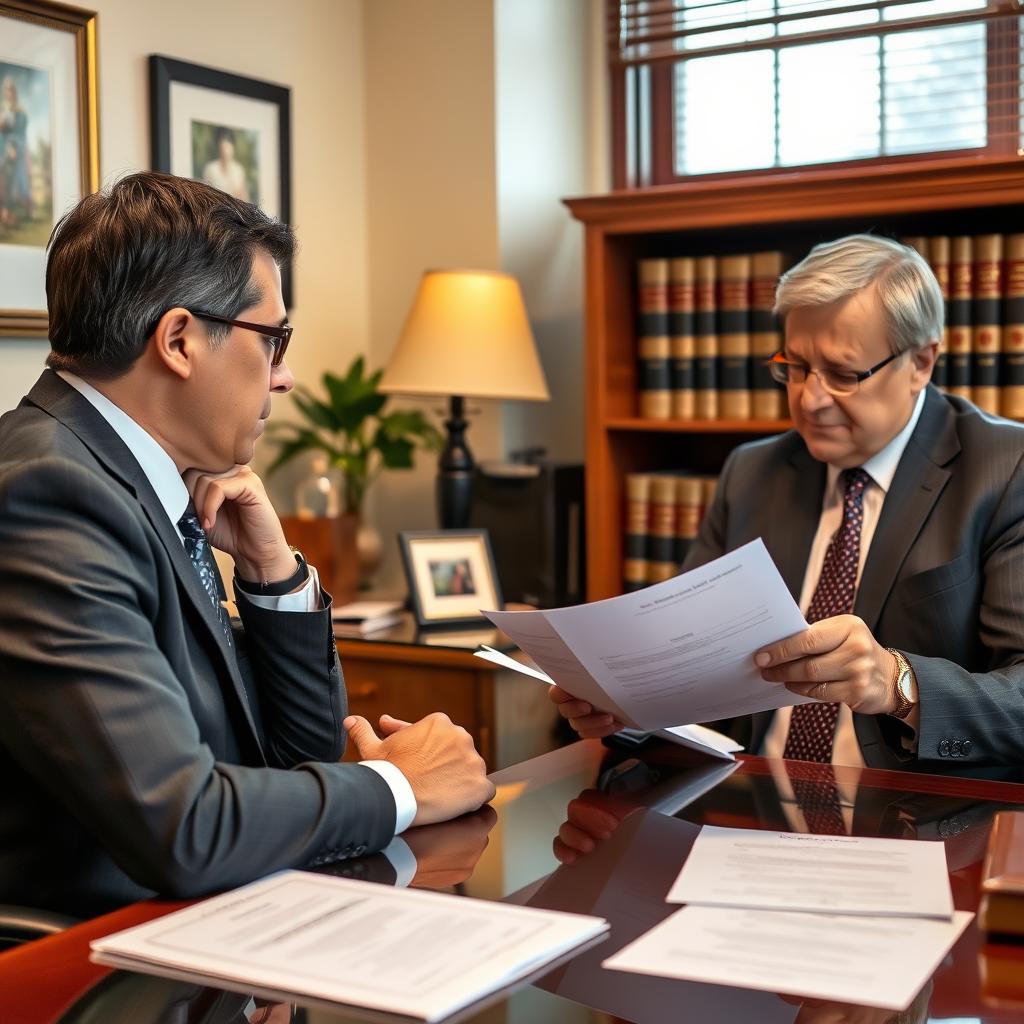
Divorce Lawyer Oneida County
You need a Divorce Lawyer Oneida County to handle your dissolution of marriage under New York law. The process is governed by specific statutes and local court rules in Oneida County. Law Offices Of SRIS, P.C.—Advocacy Without Borders. provides direct legal representation for these matters. Our team understands the Oneida County Supreme Court procedures. We focus on achieving clear outcomes for our clients. (Confirmed by SRIS, P.C.)
Statutory Definition of Divorce in New York
New York Domestic Relations Law § 170 defines the grounds for divorce. It classifies divorce as a civil action with significant financial and custodial consequences. The statute outlines both fault and no-fault grounds for ending a marriage. A no-fault divorce requires an irretrievable breakdown for at least six months. Fault grounds include cruel and inhuman treatment or abandonment. Adultery and imprisonment are also recognized fault grounds under the law. The classification determines the evidence required to proceed. Understanding these grounds is the first step in any case. You must file in the correct county based on residency rules. The financial and custodial orders from the court are final. These orders dictate support, property division, and parenting time.
What are the residency requirements for filing in Oneida County?
You or your spouse must meet New York’s residency rules to file. Either party must have lived in the state for a continuous year. Alternatively, you both lived in New York as a married couple. The marriage must have taken place within the state. The county filing requirement is also specific. You file in the county where either spouse currently resides. Procedural specifics for Oneida County are reviewed during a Consultation by appointment at our Oneida County Location.
What is the difference between a contested and uncontested divorce?
A contested divorce means spouses disagree on key terms. Disputes can involve property, support, debt, or child custody. This requires litigation and court hearings to resolve the issues. An uncontested divorce means both parties agree on all terms. You submit a signed settlement agreement to the court. The uncontested process is generally faster and less costly. The choice impacts your timeline and legal strategy directly.
How does equitable distribution work in New York?
New York is an equitable distribution state for marital property. The court divides assets acquired during the marriage fairly. Fair does not necessarily mean an equal fifty-fifty split. The judge considers several statutory factors for division. Factors include the income and property of each party. The duration of the marriage and the age/health of each spouse matter. Future financial circumstances of each party are also reviewed. Separate property acquired before marriage is usually not divided.
The Insider Procedural Edge in Oneida County
Your divorce case will be filed at the Oneida County Supreme Court. The address is 255 Elizabeth Street, Utica, NY 13501. This court handles all matrimonial actions for the county. You must file a Summons with Notice or a Summons and Complaint. The filing fee is set by state law and county clerk rules. The respondent has a specific time to answer the initial papers. Missing a deadline can result in a default judgment against you. Local rules may dictate specific forms or procedural steps. The court’s part rules and judge’s individual practices affect your case. Knowing these local nuances is critical for efficient handling.
What is the typical timeline for a divorce in this county?
A simple uncontested divorce can finalize in a few months. A contested divorce often takes a year or much longer. The timeline depends on court scheduling and complexity of issues. Discovery, motions, and trial preparation add significant time. Local court backlogs can also delay the final hearing date. Your attorney’s ability to move the case forward matters.
The legal process in Oneida County follows specific procedural requirements that affect case timelines and outcomes. Courts in this jurisdiction apply local rules that may differ from neighboring areas. An attorney familiar with Oneida County court procedures can identify procedural advantages relevant to your situation.
What are the court costs and filing fees involved?
You will pay a filing fee to initiate the divorce action. Additional fees exist for motions and other court paperwork. There may be costs for serving legal papers on your spouse. If you use experienced attorneys or appraisers, their fees are separate. The total cost varies greatly based on the case’s complexity. Your attorney will outline the expected fees during your initial consultation.
Penalties, Outcomes, and Defense Strategies
The most common outcomes involve orders for support and property division. The court issues judgments that are legally binding and enforceable. Failure to comply can lead to contempt proceedings. Contempt can result in fines or even jail time. The financial penalties from divorce orders are long-term. Your credit and assets can be directly impacted by these orders.
Virginia law establishes specific statutory frameworks that govern these matters. Each case involves unique factual circumstances that require careful legal analysis. SRIS, P.C. attorneys evaluate every relevant factor when developing case strategy for clients in Oneida County.
| Offense / Issue | Potential Penalty / Outcome | Notes |
|---|---|---|
| Non-Payment of Child Support | Contempt, Wage Garnishment, License Suspension | Enforcement is aggressive; arrears accrue interest. |
| Violation of Custody Order | Contempt, Modification of Custody, Make-Up Parenting Time | Court takes interference with parenting rights seriously. |
| Failure to Disclose Assets | Asset Award to Other Spouse, Sanctions, Attorney Fees | Full financial disclosure is mandatory in New York. |
| Non-Payment of Spousal Maintenance | Contempt, Income Execution, Judgment Lien | Similar enforcement tools as child support apply. |
[Insider Insight] Oneida County judges expect strict compliance with disclosure rules. Local prosecutors in family court are active on enforcement. They prioritize child support collection and custody order violations. Presenting organized financial documentation from the start is vital. It establishes credibility and can simplify negotiations.
How does divorce affect child custody and support orders?
The court establishes legal custody and physical placement schedules. Child support is calculated using New York’s statutory formula. The formula considers both parents’ incomes and the number of children. Health insurance and childcare costs are added to the base amount. These orders remain modifiable based on a substantial change in circumstances. Enforcement is consistent and can involve income withholding.
What are the consequences of hiding assets during the process?
Hiding assets is a serious violation of your fiduciary duty. The court can award the hidden asset entirely to the other spouse. You may be ordered to pay the other side’s attorney fees. Sanctions and fines are also possible court penalties. Your credibility with the judge will be permanently damaged. Full transparency is the only legally sound strategy.
Court procedures in Oneida County require proper documentation and adherence to filing deadlines. Missing a deadline or submitting incomplete filings can negatively impact case outcomes. Working with an attorney who handles cases in Oneida County courts regularly ensures that procedural requirements are met correctly and on time.
Why Hire SRIS, P.C. for Your Oneida County Divorce
Our lead attorney for family law matters has over a decade of courtroom experience. This background is essential for handling contested proceedings. We prepare every case with the assumption it will go to trial. This preparation forces stronger settlement positions from the start.
Attorney Profile: Our family law team is led by attorneys skilled in New York matrimonial law. They have handled numerous cases in the Oneida County Supreme Court. Their focus is on strategic advocacy and clear client communication. They understand the local judicial preferences and procedural hurdles.
The timeline for resolving legal matters in Oneida County depends on multiple factors including case type, court scheduling, and the positions of all parties involved. SRIS, P.C. keeps clients informed throughout the process and works to move cases forward as efficiently as possible.
SRIS, P.C. has a Location serving Oneida County and the surrounding region. Our approach is direct and focused on your objectives. We explain the legal process in clear terms without false promises. We develop a strategy based on the specific facts of your situation. Our goal is to resolve your case efficiently and protect your interests. You need a family law attorney who knows the local area.
Localized FAQs for Divorce in Oneida County
Where do I file for divorce in Oneida County?
You file at the Oneida County Supreme Court. The address is 255 Elizabeth Street in Utica. The County clerk’s Location handles the initial filing.
How long do you have to live in New York to get a divorce?
At least one spouse must live in New York for one continuous year. Alternatively, you both lived there when you got married. The residency requirement is strictly enforced.
Financial implications are often a significant concern in legal proceedings. Virginia courts consider relevant financial factors when making determinations. Proper preparation of financial documentation strengthens your position and supports favorable outcomes in Oneida County courts.
What is a no-fault divorce in New York?
A no-fault divorce is based on an irretrievable marriage breakdown. You must state the relationship has broken down for six months. Both parties must resolve all financial and custody issues.
How is child support calculated in New York?
Child support uses a statutory income shares model. The court applies a percentage to the combined parental income. The number of children determines the exact percentage used.
What happens if my spouse does not respond to the divorce papers?
You can request a default judgment from the court. The judge may grant the divorce based on your submitted papers. You still must prove your case and the proposed terms are fair.
Proximity, Contact, and Critical Disclaimer
Our firm has a Location serving clients in Oneida County, New York. We are accessible for residents of Utica, Rome, and surrounding towns. For a Consultation by appointment, call our line. We are available to discuss your dissolution of marriage case. Contact SRIS, P.C. for legal representation in family court matters. Call 24/7 to schedule a case review with our team. Our attorneys provide direct advocacy for your divorce proceedings. We recommend reviewing your case with our experienced legal team.
Law Offices Of SRIS, P.C.
Consultation by appointment. Call 24/7.
Past results do not predict future outcomes.