
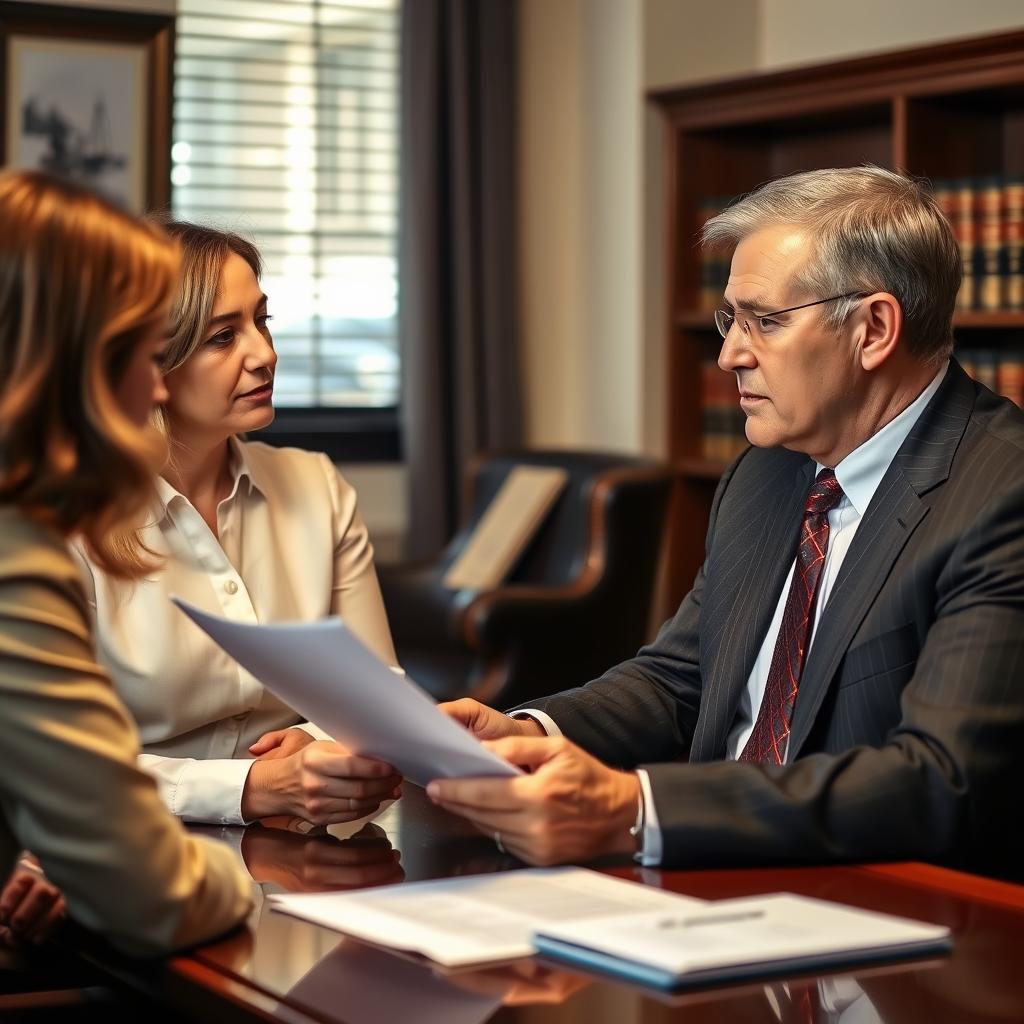
Cruelty Divorce Lawyer Tompkins County, NY
When a marriage deteriorates because of cruelty, pursuing a fault‑based divorce can address the harm and influence property division and support. In Tompkins County, New York, a divorce grounded on cruel and inhuman treatment requires careful preparation and strong evidence. Mr. Sris and his Of Counsel represent individuals throughout Tompkins County—from Ithaca and Dryden to Lansing, Trumansburg, and the surrounding Finger Lakes communities—who seek to end their marriage on this fault ground. Cases are filed in the Tompkins County Supreme Court, located at 320 North Tioga Street in Ithaca. The court operates within New York’s 6th Judicial District, and matrimonial matters follow the procedural rules of the Domestic Relations Law. Law Offices Of SRIS, P.C. Concentrates its family law practice on helping clients present cruelty‑divorce claims clearly and professionally. To request a consultation with Mr. Sris, call (888) 437‑7747.
Law Offices Of SRIS, P.C. – Advocacy Without Borders.
What Cruelty Divorce Means in Tompkins County, New York
Under New York Domestic Relations Law (DRL) § 170, a divorce may be granted on the ground of cruel and inhuman treatment. Unlike a no‑fault divorce based on an irretrievable breakdown of the marriage for six months, a cruelty divorce requires proof that the defendant’s conduct endangered the plaintiff’s physical or mental well‑being and made it unsafe or improper for the parties to continue living together. Tompkins County courts evaluate these claims on the particular facts presented, looking at the pattern and severity of the behavior, the impact on the plaintiff, and any corroborating evidence. Because every situation is unique, the court determines whether the standard is met by examining the totality of the circumstances rather than applying a mechanical test.
In Tompkins County, divorce and equitable distribution are handled by the Supreme Court, while related matters such as custody, visitation, and child support proceed in Family Court. A cruelty‑based divorce often intersects with temporary orders for spousal support, custody, and exclusive use of the marital residence while the case is pending. Under DRL § 236, automatic restraining orders take effect when the divorce is commenced, freezing marital assets and preventing changes to insurance coverage. These protections help preserve the financial status quo while the parties litigate the cruelty allegations. For residents of Ithaca, Dryden, Lansing, Groton, Newfield, Caroline, Enfield, and throughout Tompkins County, the procedural path begins with the filing of a summons and complaint or a summons with notice, served on the other spouse.
New York is an equitable distribution state, meaning that marital property is divided based on fairness rather than an equal split. When a cruelty ground is established, the court may take the fault into account when making decisions about property distribution and spousal maintenance, though the primary driver remains the statutory factors in DRL § 236. Because cruelty divorces can be contested and emotionally charged, having experienced guidance through the procedural steps and the evidentiary requirements can make a meaningful difference in how the case unfolds.
How Mr. Sris and His Of Counsel Handle Cruelty Divorce Cases
Mr. Sris and his Of Counsel approach every cruelty divorce matter with a focus on preparing a thorough and well‑documented case while seeking to resolve it efficiently when possible. The process begins with an assessment of the marriage history, the specific allegations, and the available evidence—including witness accounts, medical records, communications, and any police reports. Because New York courts require that the cruel conduct be significant and sustained enough to render cohabitation unsafe or improper, the team works with clients to identify the episodes that best demonstrate the legal standard.
Once the ground is chosen and the complaint is drafted, the proceeding moves through the standard divorce timetable of the Tompkins County Supreme Court. Where appropriate, Mr. Sris and his Of Counsel may pursue temporary relief under DRL § 236—for example, requesting pendente lite spousal support or exclusive occupancy of the home—while the cruelty allegations are pending. The team also addresses custody and child support issues as they arise, leveraging their familiarity with the Tompkins County Family Court and the statewide child support guidelines. Throughout the case, the goal is to present the evidence in a clear, organized manner that helps the court understand the full picture. Whether the matter resolves through negotiation, mediation, or trial, clients benefit from the extensive experience that Mr. Sris and his Of Counsel bring to sensitive family law disputes.
About Mr. Sris and His Of Counsel Team
Mr. Sris, Owner and Founder of Law Offices Of SRIS, P.C., has practiced law since 1997 and is admitted in Virginia, Maryland, the District of Columbia, New Jersey, and New York. A former prosecutor, he brings a practical understanding of how evidence is evaluated and presented, which proves important in fault‑based divorce cases where the burden of proof rests on the plaintiff. Mr. Sris testified before the Virginia House Courts of Justice Committee in support of 2019 HB 635 (chief patron Del. David Bulova). He keeps his caseload manageable to ensure that each matter receives focused attention, working alongside a team of experienced Of Counsel attorneys. Together, Mr. Sris and his Of Counsel have documented 4,739+ case results across all practice areas since 1997. Results may vary.
Our New York location, serving Tompkins County clients, is at 50 Fountain Plaza, Suite 1400, Office No. 142, Buffalo, NY 14202. By appointment only. Call (888) 437‑7747 to schedule.
Frequently Asked Questions
What constitutes cruel and inhuman treatment under New York divorce law?
Under New York law, cruel and inhuman treatment means conduct that endangers a spouse’s physical or mental well‑being and makes it unsafe or improper for the parties to continue cohabiting. The behavior must be more than isolated incidents or ordinary marital discord. Courts evaluate the pattern, severity, and impact of the conduct on the plaintiff. Physical violence, repeated verbal abuse, threats, or a sustained course of humiliation can all satisfy the legal standard when the evidence shows the plaintiff cannot safely remain in the marriage. Every case turns on its specific facts, and the court’s assessment focuses on the effect the behavior had on the spouse seeking the divorce.
How does a cruelty divorce differ from a no‑fault divorce in Tompkins County?
A cruelty divorce is fault‑based and requires proving that the defendant’s conduct made continued cohabitation unsafe or improper, while a no‑fault divorce in New York requires only that the marriage has irretrievably broken down for at least six months. In a no‑fault case, the court does not consider fault when dividing property or determining maintenance; in a cruelty divorce, although equitable distribution is still the governing principle, the court may weigh the misconduct when making discretionary financial decisions. Fault grounds can also affect temporary support requests and may become relevant if the parties litigate custody. Because cruelty allegations are contested more often than no‑fault claims, the timeline and the depth of evidence gathering are usually greater.
Do I need a lawyer for a cruelty divorce in Tompkins County?
While no one is required to hire a lawyer to file for divorce, cruelty cases involve fact‑intensive proof and procedural demands that benefit substantially from experienced legal representation. Proving cruel and inhuman treatment requires careful marshaling of testimony, documents, and often experienced attorney input. A lawyer can help you assess whether the conduct meets the legal threshold, draft the complaint to correctly plead the ground, and handle discovery and motion practice. Mr. Sris and his Of Counsel regularly appear in Tompkins County Supreme Court and can guide you through each step, from initial filing through trial or settlement.
How does equitable distribution work when cruelty is a ground for divorce?
New York divides marital property equitably based on the factors listed in DRL § 236, and a cruelty finding can influence the court’s discretionary decisions about the division of assets and spousal maintenance. The court examines the duration of the marriage, the income and property of each spouse, contributions as a homemaker, wasteful dissipation of assets, and any other factor it deems relevant. Fault, including cruelty, is one of many considerations and does not automatically guarantee a larger share of the property. The practical effect depends on how significantly the misconduct harmed the economic partnership or the well‑being of the innocent spouse. An attorney can help you present the cruelty claim in the context of the broader equitable distribution analysis.
What should I bring to a consultation about a cruelty divorce?
For a productive first meeting, bring any documents that describe the history of the marriage and the specific incidents of cruelty. Helpful items include a timeline of events, copies of text messages or emails, medical records related to physical or emotional harm, police reports, witness names and contact information, financial statements, tax returns, and any prior court orders or separation agreements. The more complete the information, the better Mr. Sris and his Of Counsel can evaluate the strength of the claim and the likely course of the proceeding. During the consultation, the attorney will ask questions to understand the pattern of behavior and advise on the next steps.
How do I find a cruelty divorce lawyer near Tompkins County?
Finding the right lawyer starts with researching attorneys who regularly handle fault‑based divorce cases in this part of New York and who have experience with the Tompkins County Supreme Court. Look for someone admitted to practice in New York who can explain the standard for cruel and inhuman treatment clearly and who will take the time to understand the details of your situation. Mr. Sris and his Of Counsel concentrate their family law practice on representing individuals in cruelty divorce and other matrimonial matters, and they serve clients throughout Tompkins County from their New York location. To discuss your circumstances with Mr. Sris directly, call (888) 437‑7747.
Last reviewed: June 2026
Attorney advertising. Prior results do not guarantee a similar outcome. Case results depend on a variety of factors unique to each case. Results may vary.