
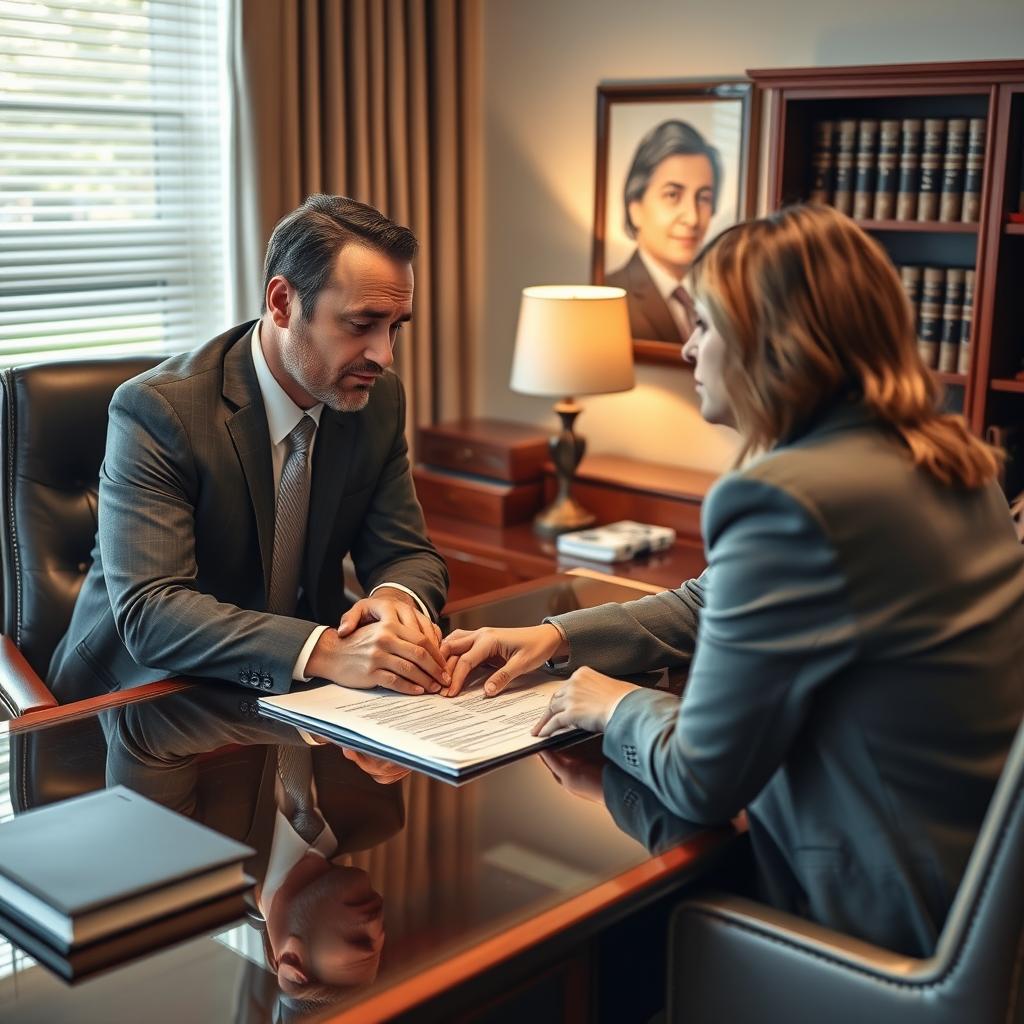
Cruelty Divorce Lawyer Rensselaer County
A cruelty divorce lawyer Rensselaer County can help you file for divorce based on cruel and inhuman treatment. This legal ground requires proof of conduct that endangers your physical or mental well-being. You need a lawyer who knows New York law and Rensselaer County court procedures. Law Offices Of SRIS, P.C. —Advocacy Without Borders. (Confirmed by SRIS, P.C.)
Statutory Definition of Cruelty in New York Divorce Law
New York Domestic Relations Law § 170(1) defines cruel and inhuman treatment as a fault-based ground for divorce. The statute requires proof that the defendant’s conduct endangers the plaintiff’s physical or mental well-being. This makes it unreasonable to continue the marriage. The law does not list specific acts. The court examines the cumulative impact of behavior over time. A single incident may suffice if it is severe enough. You must prove the treatment rendered cohabitation unsafe or improper. This is a subjective standard based on the specific marriage. The plaintiff’s testimony is often central to the case. Evidence must show a genuine danger, not mere unhappiness. The burden of proof rests with the spouse filing for divorce. A cruelty divorce lawyer Rensselaer County handles these legal nuances.
What constitutes “cruel and inhuman treatment” under New York law?
Cruel and inhuman treatment is conduct that endangers physical or mental health. This includes physical violence, threats, verbal abuse, or constant harassment. The behavior must make cohabitation unsafe. The court looks at the entire marital relationship. Even non-violent conduct like financial abuse or extreme neglect may qualify. The key is the effect on the complaining spouse. A cruelty divorce lawyer Rensselaer County gathers evidence to demonstrate this impact.
How does cruelty differ from other fault grounds like abandonment?
Cruelty involves active misconduct that creates danger. Abandonment is the unjustified departure from the marital home for a year. Adultery requires proof of a sexual act. Cruelty is broader and focuses on the effect of behavior. It can include a pattern of acts over time. Proving cruelty often relies on detailed personal testimony. A lawyer must distinguish these grounds to file correctly.
What is the legal standard of proof for cruelty in divorce?
The plaintiff must prove cruelty by a preponderance of the evidence. This means it is more likely than not that the treatment occurred. The evidence must show the conduct endangered physical or mental well-being. Testimony from the plaintiff, witnesses, and documentation is critical. Medical records or police reports can strengthen the case. The court assesses the credibility of all evidence presented. Learn more about Virginia family law services.
The Insider Procedural Edge in Rensselaer County Supreme Court
Rensselaer County Supreme Court handles all contested cruelty divorce filings. The court is located at 80 Second Street, Troy, NY 12180. You file a Summons with Notice or a Summons and Complaint here. The filing fee for a divorce action is currently $210. The index number is assigned at the County clerk’s Location in the same building. The court requires strict adherence to New York’s Uniform Court Rules. Local rules mandate specific forms for financial disclosure. Rensselaer County judges expect timely compliance with discovery orders. The timeline from filing to trial can exceed one year for contested cases. A cruelty divorce lawyer Rensselaer County knows the local filing protocols. Procedural missteps can delay your case significantly.
What is the specific filing process for a cruelty divorce in Rensselaer County?
You start by filing divorce papers with the Rensselaer County Clerk. The plaintiff must serve the defendant with the initiated papers. Proof of service must be filed with the court. The defendant has 20 days to respond if served in New York. The case then proceeds through preliminary conferences and discovery. A cruelty divorce lawyer Rensselaer County ensures all steps are completed correctly.
How long does a contested cruelty divorce typically take in this county?
A fully contested cruelty divorce can take 12 to 18 months. The timeline depends on court scheduling and case complexity. Discovery disputes and motion practice add time. Settlement negotiations can shorten the process. The court’s calendar in Troy influences the trial date. An experienced lawyer works to manage and expedite the timeline. Learn more about criminal defense representation.
What are the key local court rules a lawyer must know?
Rensselaer County requires compliance with the Matrimonial Part rules. All financial disclosure must use the state’s prescribed forms. Preliminary conference orders are strictly enforced. The court favors early settlement discussions. Local rules dictate formatting for all motion papers. Knowledge of these rules is essential for effective representation.
Penalties & Defense Strategies in Cruelty Divorce Cases
The most common penalty in a cruelty divorce is its impact on financial settlements. New York courts consider marital fault when distributing assets and awarding maintenance. A finding of cruelty can affect spousal support and property division. The court may award a larger share of marital assets to the innocent spouse. It can also influence child custody and visitation determinations. The goal is to achieve an equitable resolution based on all factors. A cruelty divorce lawyer Rensselaer County argues how fault should impact the outcome.
| Offense / Finding | Potential Penalty / Outcome | Notes |
|---|---|---|
| Finding of Cruelty | Disadvantageous property division | Court may award a larger share to innocent spouse. |
| Finding of Cruelty | Increased or longer spousal maintenance | Fault is a factor under Domestic Relations Law § 236. |
| Finding of Cruelty | Impact on child custody decisions | Behavior affecting child’s best interests is considered. |
| Failure to Prove Cruelty | Divorce may be denied or grounds changed | Case may need to proceed on another ground like separation. |
[Insider Insight] Rensselaer County judges closely scrutinize cruelty allegations. They require concrete evidence beyond mere allegations. The court looks for corroboration through witnesses, records, or prior incidents. Vague claims of unhappiness are typically dismissed. Prosecutors of these cases—meaning the plaintiff’s counsel—must present a clear, documented pattern. Defense strategies often focus on rebutting the alleged danger or proving provocation. Learn more about personal injury claims.
How does a cruelty finding affect spousal support awards?
A cruelty finding can lead to higher or longer-lasting spousal support. The court considers fault as one factor in determining maintenance. The innocent spouse’s need may be greater due to the misconduct. The payor’s ability to pay is also evaluated. The judge has significant discretion in setting the amount and duration. A lawyer must present compelling evidence of the misconduct’s financial impact.
Can cruelty allegations impact child custody decisions?
Yes, cruelty allegations can directly impact child custody and visitation. The court’s primary concern is the child’s best interests. Evidence that a parent’s behavior endangers the child is critical. This includes witnessing domestic violence or enduring a hostile environment. The court may order supervised visitation or limit custody. A lawyer must link the alleged cruelty to potential harm for the child.
What are common defense strategies against cruelty claims?
A common defense is to deny the conduct endangered the plaintiff’s well-being. The defense may argue the claims are exaggerated or fabricated. Another strategy is to show the plaintiff consented to or participated in the conduct. Proving provocation by the plaintiff can also be a defense. The goal is to create reasonable doubt about the severity or impact. A strong defense requires gathering contrary evidence and witness testimony. Learn more about our experienced legal team.
Why Hire SRIS, P.C. for Your Rensselaer County Cruelty Divorce
Our lead attorney for family law matters has extensive litigation experience in New York courts. This attorney understands the precise evidence needed to prove cruelty. SRIS, P.C. has handled numerous contested divorce cases in Rensselaer County. We know the local judges and their expectations for these sensitive cases. Our approach is direct and strategic, focused on protecting your interests. We prepare every case as if it will go to trial. This preparation often leads to favorable settlements. A cruelty divorce lawyer Rensselaer County from our firm provides aggressive advocacy.
Designated Counsel: Our family law team includes attorneys with deep knowledge of New York Domestic Relations Law. They have represented clients in Rensselaer County Supreme Court for years. Their practice focuses on fault-based divorces and complex financial issues. They guide clients through the emotional and legal challenges of proving cruelty.
We assign a dedicated legal team to each client’s case. We investigate and gather evidence to support your claims. This includes securing documents, identifying witnesses, and consulting experienced attorneys if needed. We develop a clear narrative for the court. Our goal is to achieve a resolution that safeguards your future. SRIS, P.C.—Advocacy Without Borders. We provide representation that is both assertive and precise.
Localized FAQs for Cruelty Divorce in Rensselaer County
What evidence do I need to prove cruelty in a Rensselaer County divorce?
How long do I have to live apart for a cruelty divorce vs. a separation divorce?
Can I get a cruelty divorce for emotional abuse without physical violence?
Will I have to go to trial to prove cruelty, or can it be settled?
How does cruelty affect the division of our house and retirement accounts?
Our legal team serves clients throughout Rensselaer County. For a cruelty divorce lawyer Rensselaer County, contact SRIS, P.C. Consultation by appointment. Call 24/7. Our attorneys are familiar with the Rensselaer County Supreme Court in Troy. We develop case strategies specific to this jurisdiction. We represent clients facing difficult family law situations. Call us to discuss your case and legal options.
Law Offices Of SRIS, P.C.
—Advocacy Without Borders.
Consultation by appointment. Call 24/7.
Past results do not predict future outcomes.