
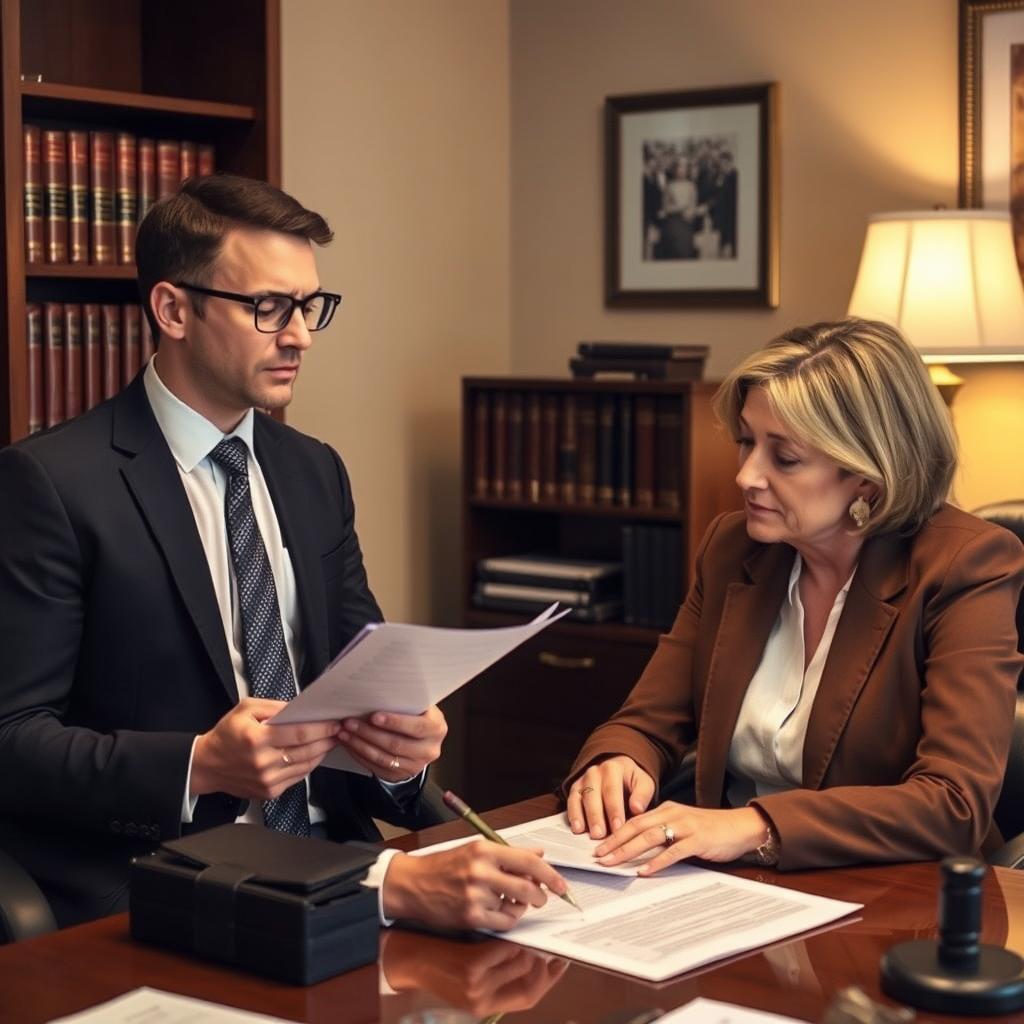
Cruelty Divorce Lawyer Oswego County, NY
When a marriage breaks down because of conduct that endangers your physical or emotional well‑being, New York law permits you to seek a divorce based on cruel and inhuman treatment. In Oswego County, that means filing in the Oswego County Supreme Court at 25 East Oneida Street, Oswego, NY 13126, and presenting sufficient evidence that the other spouse’s behavior made it unsafe or improper for you to continue living together. The legal standard is set out in New York Domestic Relations Law § 170(1), and proving cruelty can affect everything from the timeline of your divorce to the division of marital property and any award of spousal maintenance. Law Offices Of SRIS, P.C. represents individuals throughout Central New York—including Oswego, Fulton, Pulaski, Mexico, Central Square, Phoenix, Hannibal, Minetto, and Sandy Creek—who need to establish cruelty as a fault ground for divorce. Mr. Sris and his Of Counsel bring extensive experience in contested divorce proceedings, and they are prepared to guide you through the litigation process, from the initial complaint through trial if necessary. To discuss your situation, reach our location at (888) 437‑7747. Law Offices Of SRIS, P.C. – Advocacy Without Borders.
What Cruelty Divorce Means in Oswego County
In New York, a cruelty divorce falls under Domestic Relations Law § 170(1) as a fault‑based ground for divorce. To succeed, the party alleging cruelty must show that the other spouse’s conduct so endangers the physical or mental well‑being of the complainant that it would be unsafe or improper for them to continue to cohabit. The conduct does not have to constitute physical violence; a pattern of persistent verbal abuse, harassment, or emotional degradation that rises to a level making continued cohabitation unreasonable may satisfy the statutory standard. Oswego County Supreme Court, located in the 5th Judicial District, hears all divorce and equitable distribution matters, including those grounded in cruelty. The judge will weigh evidence such as testimony, medical records, police reports, text messages, and witness accounts to determine whether the alleged behavior meets the legal threshold.
Because cruelty is a fault ground, the spouse who proves it may be entitled to an immediate divorce—unlike a no‑fault action, which requires the parties to have lived apart for at least six months under a separation agreement or to assert that the marriage has been irretrievably broken for six months. Proving cruelty can also influence equitable distribution (New York Domestic Relations Law § 236) and the award of spousal maintenance, as one spouse’s egregious misconduct may be considered by the court when dividing marital assets or setting alimony. Furthermore, automatic temporary restraining orders under DRL § 236 take effect when the summons and complaint are filed, freezing marital assets and prohibiting changes to insurance coverage while the case is pending. Every cruelty divorce in Oswego County is fact‑specific, and the outcome depends on the evidence presented, the credibility of witnesses, and the judge’s assessment of the parties’ circumstances.
How Mr. Sris and His Of Counsel Handle Cruelty Divorce Cases
Mr. Sris and his Of Counsel approach each cruelty divorce with a thorough investigation of the facts. The team begins by gathering all relevant evidence—including contemporaneous communications, medical records, police reports, and witness statements—to evaluate whether the alleged conduct meets the standard under DRL § 170(1). They then file the necessary pleadings in Oswego County Supreme Court, including a complaint that sets forth the specific acts of cruelty and a request for ancillary relief such as equitable distribution, maintenance, and, if children are involved, custody and support. Throughout the case, they work to protect the client’s interests through motions for pendente lite relief, which can address temporary support, exclusive occupancy of the marital residence, and preservation of assets.
The litigation process may involve discovery, depositions, and settlement negotiations. If the parties are able to reach an agreement on all issues, Mr. Sris and his Of Counsel will prepare and submit a settlement agreement for the court’s approval. When a settlement cannot be reached, they are prepared to present the case at trial, introducing the evidence necessary to prove the cruelty ground and advocating for a fair distribution of property and, where appropriate, a maintenance award. Because cruelty divorces often involve heightened emotion and complex financial stakes, the team focuses on building a record that is both legally sufficient and persuasive to the court. Results vary based on the specific facts of each case, and past results do not guarantee a similar outcome.
About Mr. Sris and His Of Counsel Team
Mr. Sris, Owner and Founder of Law Offices Of SRIS, P.C., established the firm in 1997 and has been practicing family law and related matters for more than 28 years. A former prosecutor, he brings a detailed understanding of courtroom procedure and the rules of evidence to every contested divorce, including those involving allegations of cruelty. Mr. Sris is admitted to practice in Virginia, Maryland, the District of Columbia, New Jersey, and New York, giving him a multi‑state perspective on the interplay between family law and related issues such as property division and estate planning. He testified before the Virginia House Courts of Justice Committee in support of 2019 HB 635 (chief patron Del. David Bulova), a bill that revised the equitable distribution provisions of Va. Code § 20‑107.3(g).
Mr. Sris and his Of Counsel bring over 120 years of combined legal experience and have documented 4,739+ firm-wide results. Results may vary. The Of Counsel team consists of non‑employee attorneys engaged through Excella who collaborate with Mr. Sris on family law matters, including cruelty divorce cases. This model allows the firm to draw on a deep bench of experienced litigators while maintaining Mr. Sris’s personal oversight of each matter. Together, Mr. Sris and his Of Counsel have documented thousands of case results across all practice areas since 1997.
Frequently Asked Questions
What is a cruelty divorce in New York?
A cruelty divorce is a fault‑based divorce granted when one spouse’s conduct endangers the physical or mental well‑being of the other, making it unsafe or improper for them to continue living together. Under New York Domestic Relations Law § 170(1), the conduct can be physical abuse, verbal harassment, or a pattern of behavior that is so cruel and inhuman that cohabitation becomes intolerable. The court evaluates the severity and frequency of the acts, and the burden of proof is on the spouse alleging cruelty. If granted, a cruelty divorce may proceed immediately without the waiting period required for a no‑fault divorce. Contact Law Offices Of SRIS, P.C. at (888) 437‑7747 to discuss how this ground might apply to your situation.
How do I prove cruelty in a divorce in Oswego County?
You prove cruelty by presenting credible evidence that your spouse’s conduct rose to a level that endangered your physical or mental health and made continued cohabitation unreasonable. Evidence may include medical records documenting injuries or psychological treatment, police reports, text messages, emails, and testimony from witnesses who observed the behavior. The Oswego County Supreme Court judge will consider the totality of the circumstances, including the duration and severity of the alleged cruelty. A well‑documented record, assembled with the assistance of experienced legal counsel, is essential. To request a consultation, reach our location at (888) 437‑7747.
Can cruelty affect property division and spousal support?
Yes, a finding of cruelty can influence equitable distribution and maintenance because the court may consider a spouse’s egregious misconduct when deciding how to divide marital property and award support. Under New York Domestic Relations Law § 236, the court evaluates a number of statutory factors, including the circumstances of the marriage. While marital fault is not always a dominant factor, conduct that is particularly shocking or harmful can tip the scales. In Oswego County, Mr. Sris and his Of Counsel can help you determine whether cruelty is likely to be a relevant factor in your case. To discuss the specifics, call (888) 437‑7747.
How long does a cruelty divorce take in Oswego County?
The timeline for a cruelty divorce in Oswego County depends on whether the case is contested or uncontested and on the court’s calendar. If the parties agree on all issues and the cruelty ground is not disputed, the divorce can be finalized in a matter of months. A contested cruelty case, however, may require discovery, motion practice, and a trial, extending the process considerably. The Oswego County Supreme Court schedules hearings based on its docket, and past results do not guarantee a similar outcome. For questions about what to expect in your circumstances, contact Law Offices Of SRIS, P.C. at (888) 437‑7747.
Do I need a lawyer for a cruelty divorce?
While you are not legally required to have a lawyer, a cruelty divorce involves a high burden of proof and potentially significant financial consequences, making experienced legal representation advisable. A lawyer can evaluate whether the facts support a cruelty claim, gather and preserve evidence, navigate the procedural requirements of the Oswego County Supreme Court, and advocate for your interests in settlement negotiations or at trial. Mr. Sris and his Of Counsel bring decades of combined family law experience to these matters. To learn more, call (888) 437‑7747 to request a consultation.
What is the difference between cruelty and a no‑fault divorce?
A cruelty divorce is a fault‑based ground that requires proof of mistreatment, while a no‑fault divorce is based on the irretrievable breakdown of the marriage for at least six months and does not require evidence of misconduct. In New York, a divorce may be granted on either ground, but the path differs. No‑fault divorce under DRL § 170(7) allows a straightforward dissolution after a six‑month separation or upon assertion of irretrievable breakdown. Cruelty may yield a quicker divorce if proven, and it can influence property and support awards because fault may be considered under DRL § 236. An attorney can help you decide which ground is most appropriate for your circumstances. For guidance, contact Mr. Sris and his Of Counsel at (888) 437‑7747.
Related Locations: Family Law Lawyer New York County ? Family Law Lawyer Kings County ? Family Law Lawyer Queens County ? Family Law Lawyer Nassau County
New York Primary Sources: NY Domestic Relations Law § 170 (Grounds for Divorce) ? NY DRL § 236 (Equitable Distribution & Maintenance) ? Oswego County Supreme Court.
Attorney advertising. Prior results do not guarantee a similar outcome. Case results depend on a variety of factors unique to each case. Results may vary.