
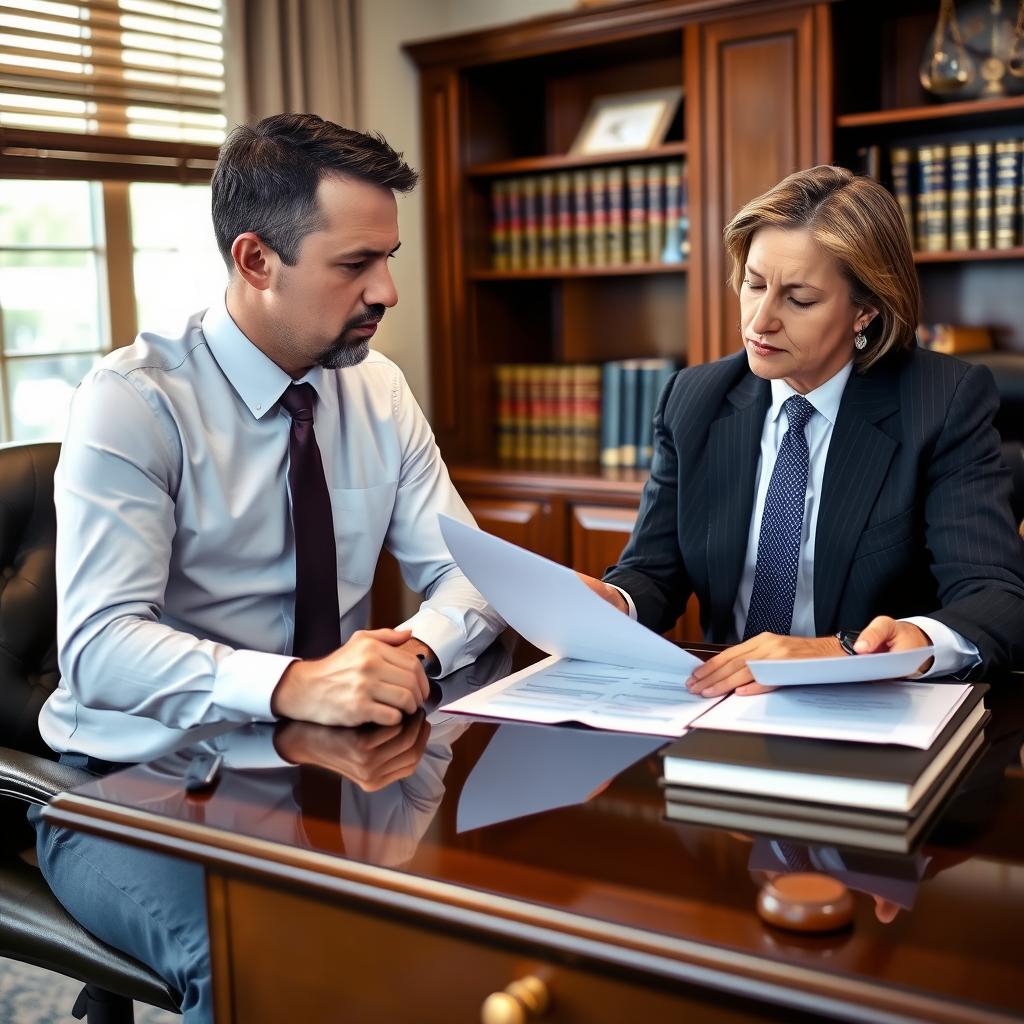
Cruelty Divorce Lawyer Niagara County
You need a Cruelty Divorce Lawyer Niagara County to prove your spouse’s cruel and inhuman treatment ended the marriage. Law Offices Of SRIS, P.C. —Advocacy Without Borders. Grounds under New York Domestic Relations Law § 170(1) require specific evidence of conduct making cohabitation unsafe or improper. The Niagara County Supreme Court handles these filings. SRIS, P.C. (Confirmed by SRIS, P.C.)
Statutory Definition of Cruelty in New York Divorce Law
New York Domestic Relations Law § 170(1) defines the grounds for divorce based on cruel and inhuman treatment. This statute requires proof that the defendant’s conduct endangered the plaintiff’s physical or mental well-being. The conduct must make it unsafe or improper for the plaintiff to continue cohabitation. The burden of proof rests entirely on the spouse filing for divorce. You must present clear and convincing evidence of this treatment. The court will not grant a divorce based on minor disagreements or transient unhappiness. The cruelty must be significant and sustained. This legal standard is strictly applied in Niagara County courts.
Proving cruelty under DRL § 170(1) is a fact-intensive process. The plaintiff’s testimony alone is often insufficient. You need corroborating evidence such as medical records, witness statements, or police reports. The treatment must have occurred within the five years preceding the lawsuit. Acts of cruelty can be physical, verbal, or psychological. Persistent threats, intimidation, or financial abuse may qualify. The key is demonstrating a genuine fear for safety or health. A Cruelty Divorce Lawyer Niagara County knows how to compile this evidence. They structure a narrative the court will accept. Niagara County judges look for patterns of behavior, not isolated incidents.
What constitutes “cruel and inhuman treatment” under New York law?
Cruel and inhuman treatment is conduct that endangers physical or mental health. This includes physical violence, threats of violence, and verbal abuse. It also includes psychological manipulation and coercive control. The behavior must be more than mere incompatibility or rudeness. It must create an environment where continued cohabitation is unsafe. Examples include hitting, stalking, or constant demeaning insults. The standard is objective, based on what a reasonable person would endure. A lawyer for cruel treatment divorce grounds in Niagara County evaluates your specific facts. They determine if your situation meets the legal threshold.
How does New York’s no-fault divorce law affect cruelty cases?
New York’s no-fault divorce law exists alongside fault-based grounds like cruelty. You can file under DRL § 170(7) for an irretrievable breakdown of the marriage. This requires a sworn statement that the relationship has broken down for six months. Choosing a fault-based cruelty divorce can impact financial settlements. It may influence spousal support and property division decisions. A judge may consider marital misconduct when awarding support. An abusive marriage divorce lawyer Niagara County advises on the strategic choice. They analyze whether alleging cruelty benefits your overall case goals in Niagara County Supreme Court.
What is the burden of proof for a cruelty divorce?
The burden of proof is “clear and convincing evidence.” This is a higher standard than a simple preponderance of the evidence. You must prove it is highly probable that cruel treatment occurred. Your testimony requires corroboration from other sources. This could be a therapist, doctor, family member, or documented incident. The defendant can present evidence to rebut your claims. The court weighs all testimony and documentation. A Cruelty Divorce Lawyer Niagara County builds a corroborated case from the start. They gather the necessary proof to meet this demanding legal standard.
The Insider Procedural Edge in Niagara County
Your case will be filed at the Niagara County Supreme Court, located at 175 Hawley Street, Lockport, NY 14094. This court handles all matrimonial actions for Niagara County. The clerk’s Location has specific filing hours and procedures. You must file a Summons with Notice or a Summons and Verified Complaint. The filing fee for a divorce action is currently $210. You must also pay additional fees for index numbers and required filings. The defendant must be served with the divorce papers properly. Service rules are strict and failure can delay your case. Procedural specifics for Niagara County are reviewed during a Consultation by appointment at our Niagara County Location.
Niagara County Supreme Court has its own local rules and part rules. Matrimonial cases are often assigned to a specific judge for all proceedings. Knowing the preferences of these judges is critical. Some judges favor early settlement conferences. Others may push for a swift trial date. The timeline from filing to resolution varies widely. An uncontested case based on cruelty may resolve in several months. A contested cruelty divorce can take a year or more. Discovery, including depositions and document demands, is extensive. A lawyer for cruel treatment divorce grounds in Niagara County handles these local rules efficiently. They avoid procedural missteps that frustrate judges. Learn more about Virginia family law services.
What is the typical timeline for a contested cruelty divorce?
A contested cruelty divorce typically takes over twelve months to complete. The process begins with filing and serving the initial papers. The defendant has 20-30 days to answer or appear. Discovery phases can last several months for document exchange and depositions. Court conferences are scheduled to track progress. Motions may be filed, adding time for briefing and argument. If no settlement is reached, a trial must be scheduled. Niagara County court dockets influence this timeline significantly. An abusive marriage divorce lawyer Niagara County works to simplify this process. They set realistic expectations based on local court congestion.
What are the key court forms needed to file?
The key forms are a Summons with Notice or Summons and Verified Complaint. You must also file a Notice of Automatic Orders with the initial filing. A Sworn Statement of Net Worth is required for financial disclosure. If children are involved, a Child Support Worksheet is necessary. All forms must comply with New York Unified Court System requirements. Using incorrect forms leads to rejection by the county clerk. A Cruelty Divorce Lawyer Niagara County ensures all paperwork is accurate and complete. They handle the filing to prevent administrative delays at 175 Hawley Street.
How are temporary orders handled during the divorce?
Temporary orders for support, custody, and use of the home are often needed. You file a motion for temporary relief early in the case. The court schedules a hearing on short notice. Temporary orders remain in effect until the final divorce judgment. Niagara County judges decide these based on immediate need and financial affidavits. These orders set the tone for the entire case. An experienced lawyer presents a strong case for temporary custody or support. They protect your position from the outset of litigation.
Penalties, Outcomes, and Defense Strategies
The most common direct outcome is the divorce itself, affecting assets, custody, and support. While not a criminal penalty, a fault-based cruelty finding carries significant consequences. It directly influences financial settlements and parental rights. The court considers the defendant’s misconduct when dividing marital property. It also impacts awards of spousal maintenance. A finding of cruelty can affect child custody and visitation determinations. The goal is to secure a fair and safe resolution for the plaintiff. A Cruelty Divorce Lawyer Niagara County fights for these critical outcomes.
| Offense / Issue | Potential Outcome / “Penalty” | Notes |
|---|---|---|
| Finding of Cruelty | Favorable property division; possible spousal support award to victim. | Court can consider fault in equitable distribution under NY law. |
| Impact on Custody | Restricted visitation or supervised custody for abusive spouse. | Best interests of the child standard applies, but abuse is a primary factor. |
| Defendant’s Failure to Counterclaim | Divorce granted solely on plaintiff’s grounds. | Defendant may lose chance to present their side of the marital breakdown. |
| Costs and Fees | Court may order defendant to pay plaintiff’s attorney’s fees. | Common when one spouse’s misconduct necessitated the litigation. |
[Insider Insight] Niagara County prosecutors in Family Court matters and judges in Supreme Court take allegations of domestic cruelty seriously. They scrutinize evidence but are receptive to well-documented patterns of abuse. The trend is to err on the side of protecting the alleging spouse during proceedings. Temporary orders of protection are frequently granted. However, they also expect the allegations to be substantive, not tactical. Exaggerated or fabricated claims can damage credibility. A lawyer for cruel treatment divorce grounds in Niagara County presents evidence with precision. They align your case with local judicial expectations for validity.
How does a cruelty finding affect spousal support?
A cruelty finding can lead to a higher spousal support award for the victim. New York courts consider the marital misconduct of both parties. The duration and amount of maintenance may be adjusted. The abusive spouse’s conduct is a direct factor in the judge’s decision. The goal is to prevent the abusive spouse from benefiting financially. An abusive marriage divorce lawyer Niagara County uses this use in negotiations. They argue for support that acknowledges the hardship endured. Learn more about criminal defense representation.
Can cruelty allegations impact child custody decisions?
Yes, cruelty allegations significantly impact child custody and visitation decisions. The court’s primary concern is the child’s best interests. Evidence of abuse toward a spouse or child is critical. It can lead to orders for supervised visitation or no overnight stays. The abusive parent may be required to complete counseling. Parenting time may be restricted to ensure safety. A Cruelty Divorce Lawyer Niagara County presents evidence linking the abuse to parenting fitness. They fight for custody arrangements that protect the child and the victimized parent.
What are common defenses against cruelty allegations?
Common defenses include denial, provocation, condonation, and recrimination. The defendant may argue the plaintiff’s claims are exaggerated or false. They might claim the plaintiff provoked the alleged incidents. Condonation argues the plaintiff forgave the behavior by continuing cohabitation. Recrimination claims the plaintiff also engaged in cruel conduct. These defenses require evidence and legal strategy. An experienced lawyer anticipates and counters these defenses with contrary proof.
Why Hire SRIS, P.C. for Your Niagara County Cruelty Divorce
Our lead Niagara County attorney has over fifteen years focused on New York matrimonial and family law litigation. This attorney has handled numerous contested divorce trials involving cruelty and abuse allegations. They understand the specific evidentiary requirements of Niagara County Supreme Court. They know how to present medical and testimonial evidence effectively. The attorney’s background includes complex cases with child custody and asset disputes. They provide direct, strategic advice without sugarcoating the challenges. You need this level of experience when alleging fault-based grounds.
Lead Niagara County Matrimonial Attorney: The attorney handling cruelty divorce cases at our Niagara County Location is a seasoned litigator. They are familiar with all judges and referees in the Niagara County court system. Their practice is dedicated to family law, including high-conflict divorces. They have a record of securing protective orders and favorable financial settlements for clients. This attorney guides clients through the emotional difficulty of proving cruelty. They build a case that withstands judicial scrutiny and aggressive defense tactics.
SRIS, P.C. has a dedicated Location in Niagara County to serve you. Our firm’s approach is direct and results-oriented. We gather evidence methodically, from witness affidavits to financial documents. We prepare clients for the intensity of a contested divorce proceeding. We explain the law clearly and manage expectations about timelines and outcomes. Our team works to protect your safety, your children, and your financial future. Our experienced legal team is committed to advocacy without borders. We bring the necessary resources to prove your case in court.
Localized Niagara County Cruelty Divorce FAQs
What evidence do I need to prove cruelty for divorce in Niagara County?
You need medical records, police reports, photos of injuries, and witness statements. Text messages, emails, and journals documenting abuse are also critical. Corroboration is essential for Niagara County Supreme Court. Learn more about personal injury claims.
How long do I have to file for divorce based on cruelty in New York?
The cruel acts must have occurred within five years before you file the lawsuit. You cannot use old incidents beyond this statutory time limit to support your case.
Can I get a temporary order of protection during my Niagara County divorce?
Yes. You can file a Family Offense Petition or request such an order in Supreme Court. Temporary orders are commonly granted to ensure safety during litigation.
Will alleging cruelty make my divorce more expensive?
Contested fault divorces often cost more due to discovery and trial. However, the court may order your spouse to pay your legal fees if cruelty is proven.
What is the difference between cruelty and constructive abandonment?
Cruelty involves unsafe conduct. Constructive abandonment is a refusal of sexual relations for one year. They are separate grounds under New York Domestic Relations Law.
Proximity, Contact, and Critical Disclaimer
Our Niagara County Location is strategically positioned to serve clients throughout the region. We are accessible from Lockport, Niagara Falls, North Tonawanda, and Wheatfield. Consultation by appointment. Call 24/7. For a case review with a Cruelty Divorce Lawyer Niagara County, contact our firm. Our legal team is ready to discuss your situation. We analyze the facts and explain your options under New York law. We represent clients in Niagara County Supreme Court and all related family court matters. Do not face this difficult process alone. Secure experienced legal representation to protect your rights.
Law Offices Of SRIS, P.C.—Advocacy Without Borders.
Consultation by appointment. Call [phone]. 24/7.
Past results do not predict future outcomes.