
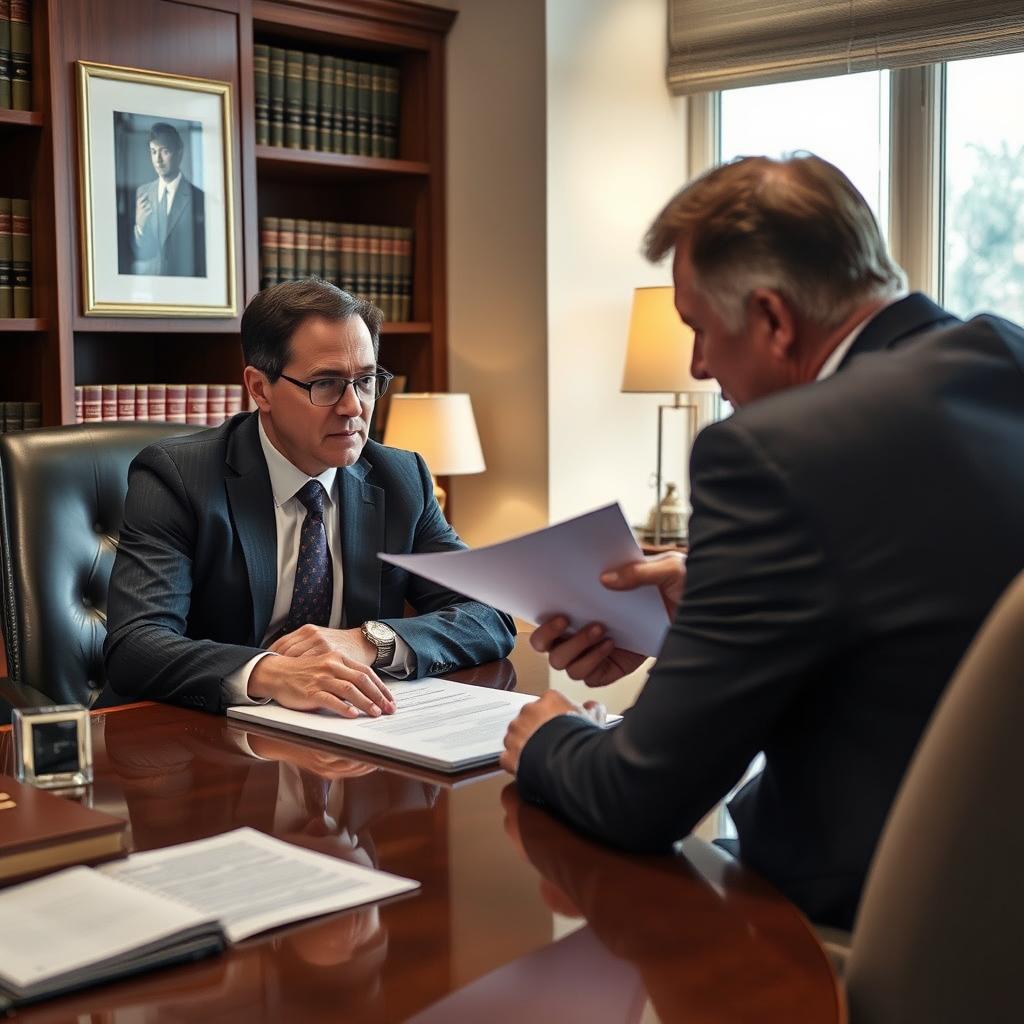
Cruelty Divorce Lawyer Jefferson County, NY
Divorce is never easy, and when one spouse’s conduct rises to the level of cruel and inhuman treatment, the legal path forward demands care, precision, and a firm grasp of New York’s fault‑based divorce statutes. In Jefferson County, a party may seek a divorce from the bond of matrimony under the Domestic Relations Law § 170, which recognizes cruel and inhuman treatment as an independent ground. Law Offices Of SRIS, P.C. represents individuals throughout the Fifth Judicial District—including Watertown, Carthage, Sackets Harbor, Clayton, Alexandria Bay, and the surrounding North Country communities—who are navigating cruelty divorce proceedings in the Jefferson County Supreme Court. Mr. Sris, a former prosecutor and the firm’s Owner and Founder, brings decades of litigation experience to these sensitive matters. He is supported by a team of Of Counsel attorneys, and together they bring over 120 years of combined legal experience. Results may vary. To discuss a cruelty‑based divorce or any related family‑law concern, reach Law Offices Of SRIS, P.C. at (888) 437‑7747 to schedule a consultation. Law Offices Of SRIS, P.C. – Advocacy Without Borders.
What Cruelty Divorce Means in Jefferson County, New York
Under New York law, cruel and inhuman treatment means conduct by one spouse that endangers the physical or mental well‑being of the other spouse to such an extent that it is unsafe or improper for the parties to continue living together. This fault‑based ground requires more than ordinary marital discord; it demands proof of specific acts that create a danger to the aggrieved spouse. The New York Domestic Relations Law § 170 sets out this ground, and the spouse who petitions for a cruelty divorce must demonstrate that the alleged misconduct has occurred within the five years immediately preceding the commencement of the action. Unlike an irretrievable breakdown divorce—which requires a six‑month period in which the marriage is broken down without hope of repair—a cruelty divorce may allow a spouse to obtain a judgment without a lengthy separation. However, contested cruelty cases can intensify the litigation because the parties may dispute the severity or existence of the alleged conduct, and the court’s evaluation of the evidence can shape the outcome of every connected issue—from equitable distribution of marital property to an award of spousal maintenance.
The Jefferson County Supreme Court, located at 163 Arsenal Street in Watertown, has exclusive jurisdiction over all matrimonial actions in the county. Matters of child custody, visitation, child support, and family‑offense petitions are heard in the Jefferson County Family Court, but the divorce itself proceeds in Supreme Court. Serving a large geographic area that includes the Thousand Islands region and Fort Drum, the court regularly handles cases involving military families, small‑business owners, and long‑time residents who confront the practical and emotional challenges of a divorce grounded in cruelty. Law Offices Of SRIS, P.C. Appears in the Jefferson County Supreme Court on behalf of clients throughout the North Country. From its New York location at 50 Fountain Plaza, Suite 1400, Office No. 142, Buffalo, NY 14202, the firm is well‑positioned to assist individuals who need effective representation while staying accessible for in‑person consultations by appointment.
How Mr. Sris and His Of Counsel Handle Cruelty Divorce Cases
Every cruelty divorce begins with a thorough initial consultation during which Mr. Sris and his Of Counsel gather the facts and help the client understand what must be proved. The team evaluates potential evidence—witness accounts, electronic communications, medical or police records—and assesses whether the conduct complained of meets the statutory standard. Because a cruelty divorce can lead to a trial where the judge will weigh competing testimony, the firm prepares each case as though it will be litigated, even as counsel continuously explores settlement opportunities that can protect the client’s emotional and financial interests. Mr. Sris’s background as a former prosecutor provides a valuable perspective on evidence evaluation and witness preparation, skills that are particularly useful when a cruelty allegation is challenged or denied.
Once the action is commenced by filing a verified complaint with the Jefferson County Supreme Court, the court’s automatic restraining orders under Domestic Relations Law § 236 take effect, freezing marital assets and prohibiting unilateral changes to insurance coverage. The timeline thereafter depends on whether the defendant spouse contests the cruelty ground and how quickly the parties can resolve connected issues such as property division, maintenance, and—if children are involved—parental access and support. Mr. Sris and his Of Counsel work to keep the matter moving while ensuring that no issue is overlooked. In all cases, the firm focuses on achieving a resolution that protects the client’s legal rights without making promises about outcomes, because every family and every record is unique.
About Mr. Sris and His Of Counsel Team
Mr. Sris, Owner and Founder of Law Offices Of SRIS, P.C., has practiced family law since the firm was established in 1997. He is admitted to the bars of Virginia, Maryland, the District of Columbia, New Jersey, and New York. A former prosecutor, Mr. Sris brings a disciplined, evidence‑focused approach to every matter. He testified before the Virginia House Courts of Justice Committee in support of 2019 HB 635 (chief patron Del. David Bulova), a bill that revised Virginia’s equitable‑distribution framework. He is supported by a team of experienced Of Counsel attorneys—each a non‑employee lawyer engaged through Excella—who contribute thorough knowledge of New York matrimonial practice. Together, Mr. Sris and his Of Counsel bring over 120 years of combined legal experience and have documented 4,739+ case results across all practice areas since 1997. Results may vary.
Frequently Asked Questions
What constitutes cruel and inhuman treatment for a divorce in New York?
Under New York law, cruel and inhuman treatment means conduct by one spouse that endangers the physical or mental well‑being of the other spouse, making it unsafe or improper for the parties to continue living together. This can include physical violence, repeated verbal abuse, or a course of conduct that creates a harmful environment. The court looks at the totality of the circumstances and evaluates whether the behavior is serious enough to warrant a fault‑based divorce. Unlike a no‑fault divorce, a cruelty divorce requires the petitioner to present credible evidence within the five‑year limitations period. An experienced lawyer can help gather the necessary information and present it clearly to the court.
How does a cruelty divorce differ from a no‑fault divorce in New York?
A no‑fault divorce in New York requires the marriage to have been irretrievably broken down for at least six months, while a cruelty divorce relies on proof of specific harmful conduct and does not require any separation period. Because the ground is fault‑based, the allegation of cruelty can influence the court’s view of equitable distribution and spousal maintenance, although the cruelty itself does not automatically change the property division. If the parties cannot agree on the alleged facts, the case may go to trial, which typically adds time and expense. An attorney can assess whether pursuing a cruelty ground is advisable based on the evidence and the client’s goals.
Do I need a lawyer for a cruelty divorce in Jefferson County?
You are not legally required to hire a lawyer, but representing yourself in a cruelty divorce is risky because fault grounds demand proof and can affect financial outcomes and parental access arrangements. The Jefferson County Supreme Court does not provide legal advice, and procedural mistakes can delay the case or result in adverse rulings. A lawyer can develop the evidence, negotiate on your behalf, and advocate for your interests in court. For guidance on your specific situation, reach Law Offices Of SRIS, P.C. at (888) 437‑7747.
How can a cruelty allegation affect child custody decisions in Jefferson County?
Issues of custody and visitation are decided in Jefferson County Family Court, and the court’s primary concern is the best interests of the child. Credible evidence that one parent engaged in cruelty directed at the other parent, especially if witnessed by the child, can significantly influence custody and visitation orders. The Family Court may consider the nature and severity of the cruelty when crafting a parenting plan or determining supervised access. Temporary orders can be sought early in the case to provide stability for the children while the divorce is pending. Our team helps clients present the facts in a way that keeps the court’s focus on the child’s safety and well‑being.
What is the typical timeline for a cruelty divorce in Jefferson County?
An uncontested cruelty divorce in Jefferson County may be resolved within several months of filing, while a contested case can take more than a year depending on court scheduling and the complexity of the issues. The timeline is shaped by whether the defendant answers and counters the cruelty claim, the extent of discovery needed, the negotiation of equitable distribution and maintenance, and whether a trial is required. The court’s automatic restraining orders take effect upon filing, which can preserve the status quo. To discuss the timeline that may apply to your matter, contact Law Offices Of SRIS, P.C. at (888) 437‑7747.
Additional Communities Served: Our firm also assists clients in other New York counties with family law matters. Learn about our divorce representation in Manhattan, family law services in Brooklyn, Queens divorce counsel, Staten Island matrimonial practice, and Nassau County divorce lawyers.
For official information, refer to New York Domestic Relations Law on the New York State Senate website and the Jefferson County Supreme Court page maintained by the New York State Unified Court System. These primary sources provide the statutory text and court details that inform our practice.
Attorney advertising. Prior results do not guarantee a similar outcome. Case results depend on a variety of factors unique to each case. Results may vary.