
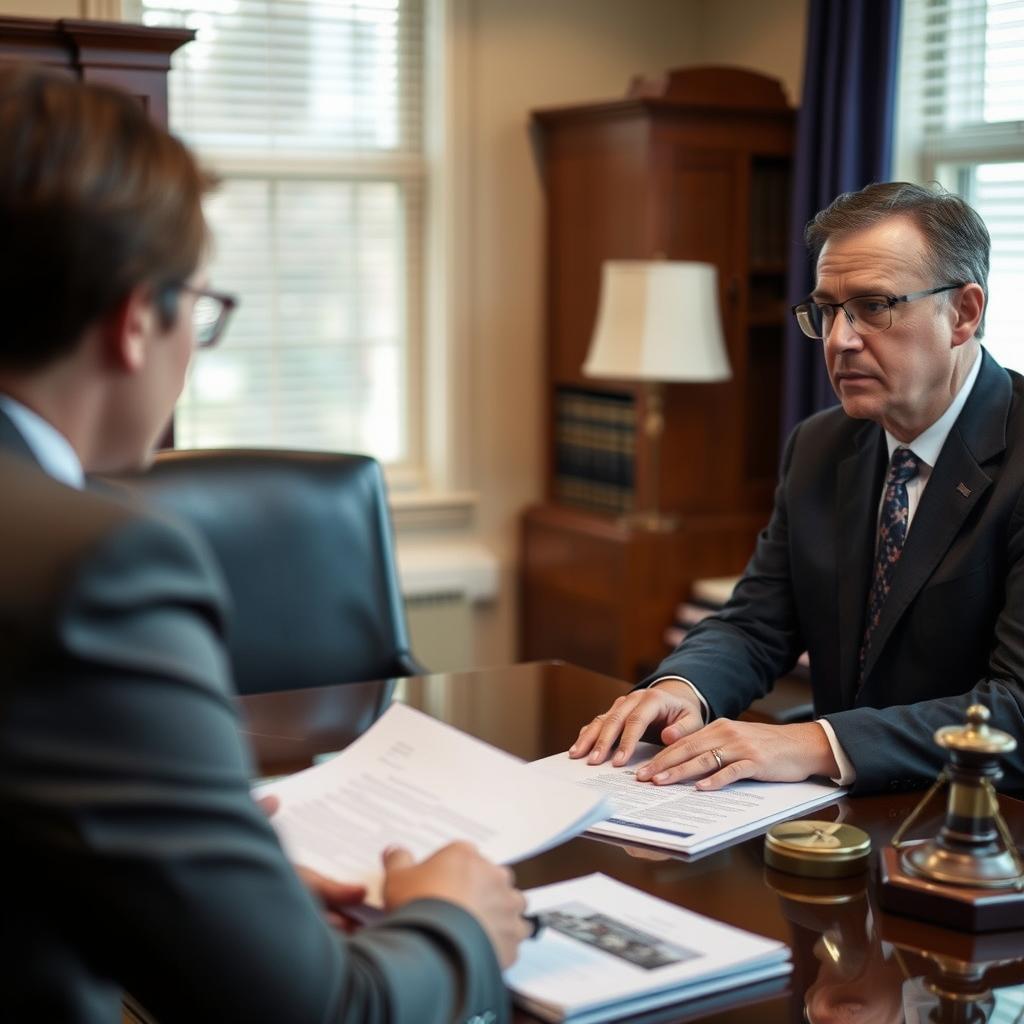
The moment you realize your marriage has become unsafe is a moment you never forget. When a spouse’s conduct crosses the line from disagreement into cruelty—whether through verbal abuse, intimidation, threats, or physical harm—you have legal options. In Herkimer County, New York, a divorce based on cruel and inhuman treatment allows you to exit a marriage that has become a source of danger and distress. Call Law Offices Of SRIS, P.C. at (888) 437-7747 to request a consultation. Law Offices Of SRIS, P.C. – Advocacy Without Borders.
Understanding Cruelty as Grounds for Divorce in Herkimer County
Under New York Domestic Relations Law § 170(1), a divorce may be granted when one spouse has engaged in cruel and inhuman treatment that endangers the physical or mental well-being of the other spouse and renders cohabitation unsafe or improper. The standard does not require physical violence in every case; ongoing emotional abuse, threats, intimidation, controlling behavior, and a pattern of conduct that undermines a spouse’s health or safety can all support a cruelty-based divorce. Herkimer County Supreme Court, located at 301 North Washington Street in Herkimer, hears divorce and equitable distribution matters. Fault-based grounds such as cruelty can affect the timing and strategy of a case, and having an attorney who is familiar with how the court evaluates these claims is important.
New York is a no-fault divorce state, meaning a spouse may also seek divorce on the ground of an irretrievable breakdown of the relationship for at least six months. A cruelty divorce, however, does not require a waiting period and can be filed immediately. The choice between fault and no-fault grounds has implications for temporary relief, property distribution, and spousal support. Mr. Sris and his Of Counsel help clients evaluate which path best fits their circumstances in Herkimer County.
Strategy Options for a Cruelty Divorce
A cruelty divorce often involves gathering evidence to meet the statutory standard. Documentation of incidents—including photographs, medical records, communications, and witness statements—can be critical. An individual facing cruelty may also seek an order of protection through Herkimer County Family Court or Supreme Court, which can provide immediate relief by prohibiting contact and granting temporary custody, support, or exclusive use of the home. Strategic choices include whether to pursue a fault-based action from the outset, whether to request pendente lite (temporary) relief while the case is pending, and how best to present the evidence at a hearing. Mr. Sris and his team work with clients to develop a plan tailored to their safety and legal objectives.
Because a cruelty finding may influence equitable distribution and spousal maintenance, the strategy must consider the financial aspects of the marriage. The New York Domestic Relations Law directs the court to distribute marital property equitably, and conduct that is “so egregious or uncalled for as to shock the conscience of the court” may be taken into account. An experienced attorney can assess whether the facts in your case rise to that level and advise you accordingly.
What to Expect During the Process
A cruelty divorce in Herkimer County begins with the filing of a Summons with Notice or a Summons and Complaint in the Herkimer County Supreme Court. The Index Number fee is and the Request for Judicial Intervention (RJI) fee is $95 at the time of writing. After service of process on the other spouse, automatic orders under DRL § 236 freeze marital assets and prohibit changes to insurance coverage without consent or court order. Both parties engage in discovery—exchanging financial documents and other relevant information—and the court will typically schedule a settlement conference to explore resolution options before setting a trial date.
If the case cannot be resolved through negotiation, a trial may be necessary. The person alleging cruelty must prove the grounds by a preponderance of the evidence. The timeline varies depending on court availability, the complexity of the issues, and the level of cooperation between the parties, but individuals should anticipate a process that requires patience and careful preparation.
The Impact of a Cruelty Finding on Property and Support
In New York, marital property is divided under the principle of equitable distribution, which does not necessarily mean equal. The court considers a list of statutory factors, including the duration of the marriage, the contributions of each spouse, and the economic circumstances of each party. A finding of cruelty can be relevant to the distribution if the conduct rises to the level of egregious fault. Courts have discretion in how heavily to weigh such conduct, and the outcome depends on the specific facts of each case. Similarly, for spousal maintenance—formerly called alimony—the statutory formula governs temporary maintenance, while the court may consider fault as one factor in setting post-divorce maintenance.
When children are involved, the court’s primary concern is the best interests of the child. A history of cruelty or domestic violence may influence custody and visitation decisions. New York law directs judges to consider the effect of domestic violence on the child when making custody orders, and a spouse seeking custody may need to present evidence that the other parent’s behavior poses a risk. Child support is calculated using the statutory percentage model: 17% of combined parental income for one child, 25% for two, 29% for three, 31% for four, and at least 35% for five or more, applied to income up to a statutory cap (adjusted periodically) with the court retaining discretion to deviate above that amount.
How Mr. Sris and His Of Counsel Handle Cruelty Divorce Cases
Mr. Sris, Owner and Founder of Law Offices Of SRIS, P.C., has practiced family law since 1997. A former prosecutor, he brings a thorough understanding of how evidence is presented and cross-examined in court, an advantage in cases where testimony about cruelty is central. Mr. Sris is admitted to practice in New York, Virginia, Maryland, the District of Columbia, and New Jersey. He has testified before the Virginia House Courts of Justice Committee in support of 2019 HB 635 (chief patron Del. David Bulova). Mr. Sris and his Of Counsel bring over 120 years of combined legal experience and 4,739+ documented firm-wide results to family law matters. Results may vary.
Every cruelty divorce page involves a team that includes Mr. Sris and experienced Of Counsel attorneys. The firm’s New York location, at 50 Fountain Plaza, Suite 1400, Office No. 142, Buffalo, NY 14202, is by appointment only. Call (888) 437-7747 to schedule a consultation. The firm’s team works collaboratively, drawing on knowledge of Herkimer County court procedures and the New York Domestic Relations Law to help clients pursue the protective relief and fair financial outcomes they need.
Frequently Asked Questions
What constitutes cruel and inhuman treatment under New York divorce law?
Cruel and inhuman treatment under NY DRL § 170(1) means conduct by a spouse that endangers the physical or mental well-being of the other spouse and makes living together unsafe or improper. This can include physical violence, verbal abuse, threats, harassment, financial control, and emotional abuse severe enough to cause harm. The court examines the totality of the circumstances, including the frequency and severity of the behavior. Any spouse considering a cruelty divorce should discuss the specific facts with an attorney to determine whether they meet the statutory threshold.
Do I need a lawyer for a cruelty divorce in Herkimer County?
While you are not legally required to have a lawyer, a cruelty divorce involves specific evidentiary standards and legal procedures that make legal representation advisable. Proving cruelty requires presenting credible evidence, and procedural missteps can delay or undermine your case. An attorney can help you gather documentation, prepare for court, navigate temporary support and custody requests, and present your case persuasively to the Herkimer County Supreme Court. To discuss the details of your matter, contact Law Offices Of SRIS, P.C. at (888) 437-7747.
How does the court determine if behavior is cruel in a divorce?
The court evaluates whether the alleged conduct, viewed objectively, endangers the complaining spouse’s physical or mental well-being such that it would be unsafe or improper for the couple to continue living together. The conduct does not need to be solely physical; a pattern of emotional cruelty that causes documented psychological harm may satisfy the standard. Judges consider witness testimony, medical records, communications, and other evidence. Each case is fact-specific, and the outcome depends on the quality of the proof.
Can a cruelty divorce affect child custody in New York?
Yes, a history of cruelty or domestic violence is a factor the court must consider when making custody and visitation decisions. New York law requires judges to weigh the effect of domestic violence on the child as part of the best interests analysis. Evidence that a parent has been cruel or abusive to the other parent may result in restrictions on custody or supervised visitation. The court’s priority is the child’s safety and stability, and a spouse seeking custody should be prepared to present evidence that the other parent’s behavior poses a risk. For guidance on your specific situation, reach Law Offices Of SRIS, P.C. at (888) 437-7747.
What if my spouse denies the cruelty allegations?
If your spouse denies the allegations, the case will proceed to trial, where you will need to prove the cruelty by a preponderance of the evidence. This means you must show that it is more likely than not that the cruel treatment occurred. Evidence such as emails, text messages, photographs, medical records, and testimony from witnesses can be crucial. The opposing spouse may present their own version of events, and credibility determinations are made by the court. Having an attorney to develop a persuasive case can make a significant difference.
How long does a cruelty divorce take in Herkimer County?
A cruelty divorce can take varying amounts of time depending on whether the case is contested and the court’s calendar. If the parties are able to reach a settlement on all issues—property division, support, and, if applicable, custody—the matter may resolve more quickly than a case that proceeds to a full trial. Contested cases often require months to complete discovery, hold hearings, and await a judicial decision. The timeline also depends on the availability of the court and the complexity of the financial and factual issues. To request a consultation, reach Mr. Sris and his Of Counsel at (888) 437-7747.
Family Law Lawyer New York County (Manhattan) | Family Law Lawyer Kings County (Brooklyn) | Family Law Lawyer Queens County (Queens) | Family Law Lawyer Nassau County
Primary sources: NY Domestic Relations Law § 170 | Herkimer County Supreme Court
Attorney advertising. Prior results do not guarantee a similar outcome.
Case results depend on a variety of factors unique to each case.
Results may vary.