
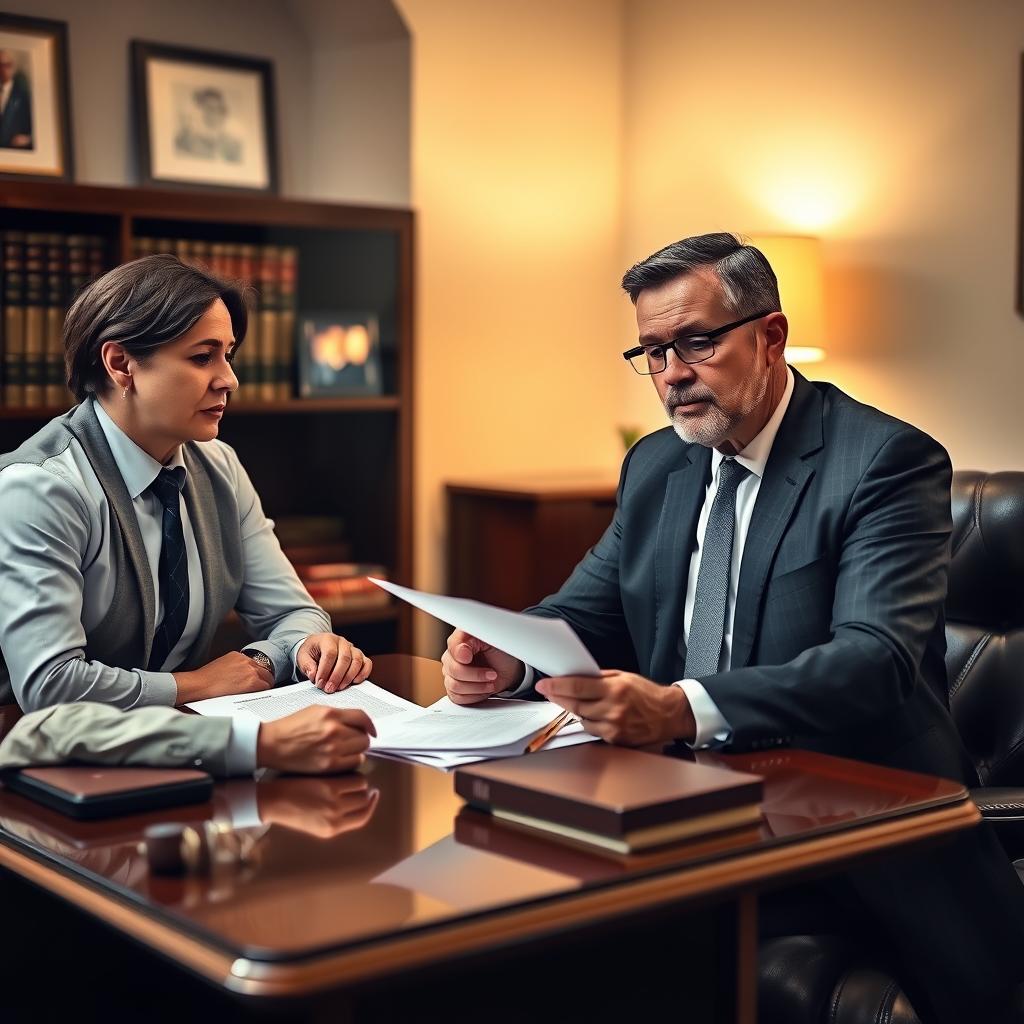
Cruelty Divorce Lawyer Erie County, NY
When a marriage breaks down because of persistent cruelty, ending it through divorce can protect your safety and emotional well‑being. In Erie County, New York, a spouse who has been treated with cruel and inhuman treatment may seek a divorce on that fault ground under New York Domestic Relations Law § 170. Law Offices Of SRIS, P.C. represents clients in cruelty‑based divorce proceedings in Erie County Supreme Court, Buffalo City Court, and the surrounding communities. Mr. Sris and his Of Counsel team bring a calm, prepared approach to these emotionally charged matters, focusing on building a clear record so the court can understand what occurred. If you are considering a cruelty divorce in Buffalo, Cheektowaga, Amherst, Tonawanda, Hamburg, or anywhere in Erie County, reach Law Offices Of SRIS, P.C. at (888) 437‑7747 to request a consultation. Law Offices Of SRIS, P.C. – Advocacy Without Borders.
What Cruelty Divorce Means in Erie County, New York
New York is both a no‑fault and a fault‑based divorce state. Under the no‑fault ground, a spouse need only assert that the marriage has broken down irretrievably for at least six months. However, some spouses choose to plead a fault ground, and cruelty — legally described as “cruel and inhuman treatment” — is one of the fault grounds available under New York Domestic Relations Law § 170. In Erie County, a spouse alleging cruelty must show that the other spouse’s conduct endangers the petitioner’s physical or mental well‑being to a degree that makes it unsafe or improper for the petitioner to continue residing with the respondent. The conduct does not need to be physical violence; a pattern of emotional abuse, intimidation, isolation, or persistent verbal degradation can, if established, constitute cruel and inhuman treatment.
Erie County courts take cruelty allegations seriously. The Supreme Court, located at 25 Delaware Avenue in Buffalo, is the trial court that hears all matrimonial actions, including cruelty divorce complaints. The Erie County Family Court handles related matters such as custody, visitation, child support, and family offense petitions, which may intersect with a cruelty divorce when domestic violence or orders of protection are involved. Because cruelty is a fault ground, the court may consider the proven misconduct in making financial or custodial determinations, although New York’s equitable distribution framework primarily guides property division. Having an attorney who understands both the procedural requirements of the Supreme Court and the interplay with Family Court proceedings is essential when presenting a cruelty case in Erie County.
How Mr. Sris and His Of Counsel Handle Cruelty Divorce Cases
Building a cruelty divorce case requires gathering evidence methodically while recognizing the emotional weight these proceedings carry. Mr. Sris and his Of Counsel begin by listening carefully to understand the history of the marriage and the specific incidents of cruelty. They work with clients to identify corroborating proof — this may include medical records, mental health treatment records, police reports, emails, text messages, photographs, or testimony from witnesses who observed the mistreatment. The goal is to present a cohesive narrative that demonstrates how the conduct endangered the client’s well‑being and made further cohabitation unsafe or improper.
After evaluating the facts, the firm prepares and files a verified complaint with the Erie County Supreme Court, setting forth the cruelty ground and the relief sought — divorce, equitable distribution of marital property, spousal maintenance if warranted, and child custody or support where applicable. Mr. Sris and his Of Counsel handle service of process, respond to any motions filed by the other side, and seek pendente lite relief when immediate support, counsel fees, or exclusive occupancy of the marital residence is needed. Throughout negotiations and, if necessary, at trial, they advocate for a fair resolution while shielding clients from unnecessary confrontation. The timeline of a cruelty divorce in Erie County will vary depending on the complexity of the case and the court’s calendar, but the firm stays focused on moving the matter forward efficiently while protecting the client’s rights at every stage.
About Mr. Sris and His Of Counsel Team
Mr. Sris, Owner and Founder of Law Offices Of SRIS, P.C., is a former prosecutor who has practiced since 1997. His background in trial work gives him a thorough understanding of how evidence is evaluated, which is especially valuable in contested cruelty divorces where proof of conduct is central. Mr. Sris testified before the Virginia House Courts of Justice Committee in support of 2019 HB 635 (chief patron Del. David Bulova). Together with his Of Counsel, Mr. Sris brings extensive experience to family law matters. Mr. Sris and his Of Counsel have documented 4,739+ case results across all practice areas since 1997. Results may vary.
The Of Counsel team consists of experienced attorneys who are engaged through Excella and who concentrate their work on family law, including divorce litigation. Each Of Counsel brings a distinctive practice background, but none are called associates, partners, or employees; all are independent practitioners collaborating under the firm’s guidance. Collectively, Mr. Sris and his Of Counsel draw on over 120 years of combined legal experience. Results may vary. The firm is admitted to practice in Virginia, Maryland, the District of Columbia, New Jersey, and New York, and serves clients throughout Erie County, including Buffalo, Cheektowaga, Amherst, Tonawanda, Hamburg, Orchard Park, Clarence, Lancaster, West Seneca, Lackawanna, East Aurora, Kenmore, Williamsville, and Depew.
Frequently Asked Questions
What is a cruelty divorce in New York?
A cruelty divorce is a fault‑based divorce granted when one spouse has treated the other with cruel and inhuman treatment that endangers the plaintiff’s physical or mental well‑being and makes continued cohabitation unsafe or improper. The standard is set out in New York Domestic Relations Law § 170. The conduct can be physical, emotional, or psychological, but it must rise to a level that a court finds justifies ending the marriage on that ground. Unlike no‑fault divorce, which only requires a certified statement that the marriage has broken down, a cruelty divorce requires the petitioner to produce evidence of the mistreatment.
How do I prove cruelty in a divorce in Erie County?
Proof of cruelty typically comes from a combination of documentation, witness testimony, and the petitioner’s own credible account of the events. Useful evidence may include medical or therapy records documenting physical or emotional harm, police reports, 911 call logs, text messages, emails, photographs of injuries, and testimony from neighbors, family members, or co‑workers who observed the conduct. The Erie County Supreme Court will evaluate the totality of the circumstances, and an experienced attorney can help gather and present the proof in a way that meets the legal standard.
Does a cruelty finding affect child custody in Erie County?
A proven history of cruelty, particularly if it involved domestic violence or abusive behavior in front of the children, can influence a court’s custody and visitation decision. New York courts determine custody based on the best interests of the child, and evidence that a parent has engaged in cruel conduct toward the other parent — or toward the child — is a factor the court must consider. An attorney can explain how the specific facts of your case may impact parenting time and decision‑making authority.
How long does a cruelty divorce take in Erie County, New York?
The timeline for a cruelty divorce in Erie County varies depending on whether the case settles or goes to trial and on the court’s docket. Uncontested divorces where both spouses eventually agree on all terms resolve more quickly, while a contested cruelty trial can extend the process. Procedural steps such as discovery, motion practice, and mandatory settlement conferences all influence the duration. While no specific timeframe can be promised, Mr. Sris and his Of Counsel work to move your matter forward efficiently.
Can I file for cruelty divorce if my spouse denies the allegations?
Yes, you can file for a cruelty divorce even if your spouse denies the mistreatment, because New York law allows a fault‑based divorce to proceed when the petitioner has evidence sufficient to meet the legal standard. The spouse’s denial will create a contested case, meaning the court will schedule a trial where both sides present evidence. Having an attorney who is prepared to build a thorough record — and, when appropriate, to engage in skilled negotiation — can help resolve the matter without a protracted courtroom battle.
Do I need a lawyer for a cruelty divorce in Erie County?
You are not required to hire a lawyer, but cruelty divorces involve complex legal standards, evidentiary rules, and procedural requirements that make experienced legal representation advisable. A lawyer can help you assess whether a cruelty ground is appropriate, gather the necessary proof, draft the complaint and supporting affidavits, and protect your interests in negotiations and at trial. Mr. Sris and his Of Counsel can explain your options and guide you through each step of the process.
What courts handle cruelty divorce cases in Erie County?
Cruelty divorce complaints are filed in the Erie County Supreme Court, which has jurisdiction over all matrimonial actions in the county. The main courthouse is located at 25 Delaware Avenue in Buffalo. While the Supreme Court handles the divorce itself, related matters such as custody, visitation, child support, and family offense petitions are heard in the Erie County Family Court. An attorney familiar with both courts can coordinate your case across the two tribunals when necessary.
How does a cruelty divorce differ from a no‑fault divorce in New York?
A no‑fault divorce relies solely on an irretrievable breakdown of the marriage for at least six months, while a cruelty divorce requires the petitioner to prove that the other spouse engaged in conduct that endangered the petitioner’s well‑being. The choice between the two grounds may affect issues like spousal maintenance, property distribution, and custody, because the court can consider proven fault in making those determinations. An attorney can help you decide which ground aligns best with your objectives, the strength of the evidence, and the likely impact on the financial and custody outcome.
For guidance on your specific situation, reach Law Offices Of SRIS, P.C. at (888) 437‑7747.
Visit these official resources for additional information: New York Domestic Relations Law ? Erie County Supreme Court ? New York State Courts
Related pages: Family Law Lawyer New York County (Manhattan) ? Family Law Lawyer Kings County (Brooklyn) ? Family Law Lawyer Queens County (Queens) ? Family Law Lawyer Nassau County (Long Island)
Attorney advertising. Prior results do not guarantee a similar outcome.
Case results depend on a variety of factors unique to each case.
Results may vary.