
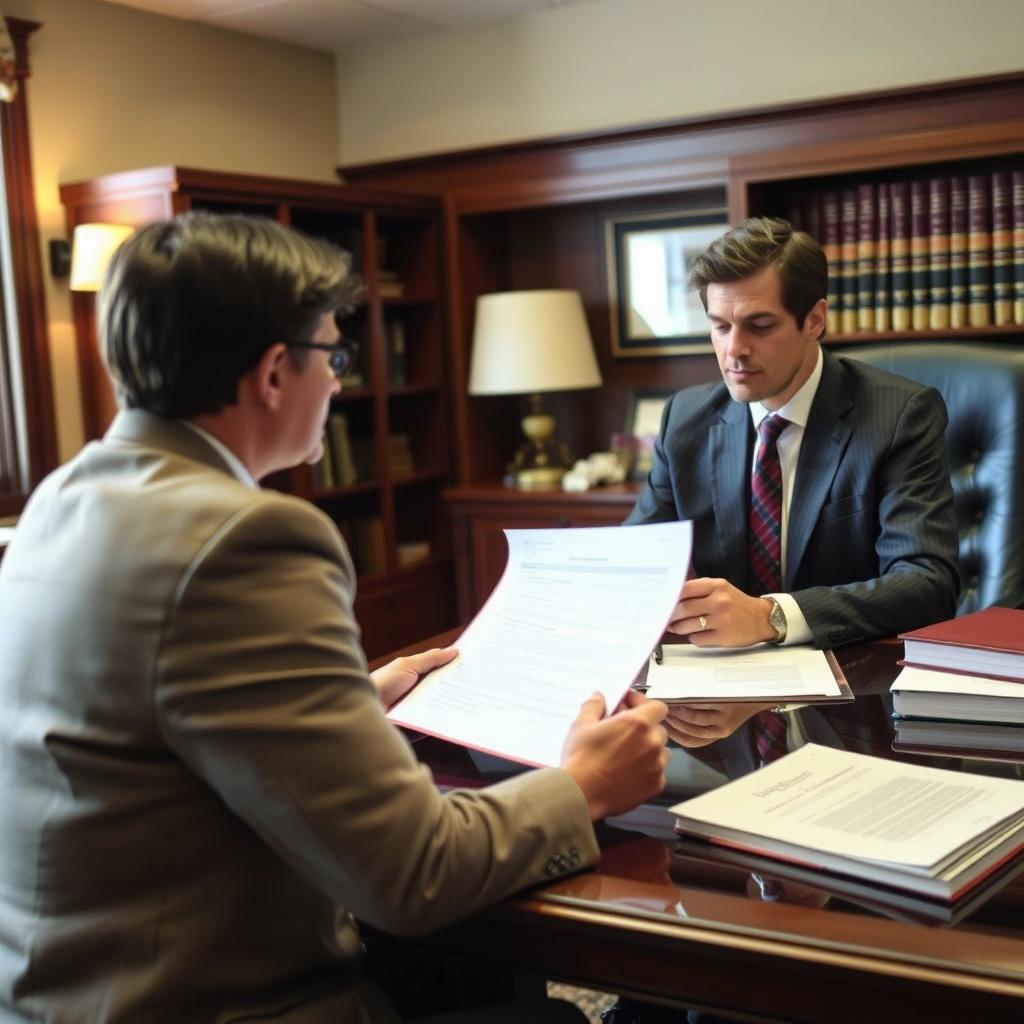
Cruelty Divorce Lawyer Dutchess County
You need a Cruelty Divorce Lawyer Dutchess County to prove cruel and inhuman treatment under New York law. Law Offices Of SRIS, P.C. —Advocacy Without Borders. This fault-based ground requires specific evidence of conduct that endangers your physical or mental well-being. SRIS, P.C. has a Location in Dutchess County to handle these complex cases. You must file in the Dutchess County Supreme Court. (Confirmed by SRIS, P.C.)
Statutory Definition of Cruelty in a Dutchess County Divorce
Cruel and inhuman treatment in a Dutchess County divorce is defined under New York Domestic Relations Law § 170(1). This statute classifies it as a fault-based ground for divorce with no specific statutory maximum penalty, as it determines the right to dissolve the marriage itself. The law requires proof that the defendant’s conduct so endangers the plaintiff’s physical or mental well-being that it makes it unsafe or improper to continue cohabitation. This is a higher standard than mere unhappiness or incompatibility. The behavior must be more than unkind, rude, or harsh. It must be a serious, substantial, and ongoing course of conduct. For a Dutchess County cruelty divorce, you must show a pattern, not a single isolated incident. The court examines the cumulative impact of the behavior on the plaintiff’s health and safety. Evidence can include physical violence, threats, verbal abuse, or other conduct creating a harmful environment. The burden of proof rests entirely on the spouse filing for divorce. You must convince the Dutchess County Supreme Court justice that the marriage is irreparably broken due to this treatment. Successfully proving cruelty can impact other case outcomes, such as spousal support or property division. It is a serious allegation that requires a strategic legal approach from the start.
What constitutes “cruel and inhuman treatment” under New York law?
Cruel and inhuman treatment is a sustained course of conduct that endangers a spouse’s physical or mental health. This includes physical violence, threats of harm, or relentless verbal and emotional abuse. The conduct must make cohabitation unsafe or improper. Dutchess County courts require documented evidence of this pattern.
How does cruelty differ from other divorce grounds in Dutchess County?
Cruelty is a fault-based ground, unlike the no-fault ground of an irretrievable breakdown. Proving fault can influence financial settlements and custody decisions. It requires active litigation and evidence presentation. A no-fault divorce in Dutchess County does not require assigning blame.
What is the burden of proof for a cruelty divorce?
The plaintiff must prove cruelty by a preponderance of the evidence. This means it is more likely than not that the cruel treatment occurred. The Dutchess County Supreme Court will scrutinize medical records, witness testimony, and other documentation. The standard is lower than “beyond a reasonable doubt” but still substantial.
The Insider Procedural Edge in Dutchess County
All cruelty divorce cases in Dutchess County are filed in the Dutchess County Supreme Court located at 10 Market Street, Poughkeepsie, NY 12601. This court handles all matrimonial actions for the county. The filing fee for a divorce action is currently $210, plus additional fees for required summons and paperwork service. The procedural timeline from filing to final judgment can vary significantly. An uncontested case based on cruelty may resolve in several months if all paperwork is perfect. A contested cruelty divorce in Dutchess County often takes a year or more due to discovery and trial. The court requires specific forms, including a Verified Complaint detailing the allegations of cruel treatment. You must serve your spouse with the divorce papers according to strict New York rules. Failure to follow service rules can cause major delays. The Dutchess County Supreme Court has specific local rules for matrimonial cases that must be followed. These rules cover everything from motion practice to financial disclosure. Missing a deadline can prejudice your case. The court’s temperament expects thorough preparation and adherence to procedure. Having a lawyer who knows this court’s expectations is a critical advantage.
What is the typical timeline for a contested cruelty divorce?
A contested cruelty divorce in Dutchess County typically takes 12 to 18 months to reach trial. This timeline includes mandatory discovery, depositions, and pre-trial conferences. Delays can occur from court scheduling conflicts or case complexity. An experienced lawyer can help manage the process efficiently. Learn more about Virginia family law services.
What are the key filing requirements?
You must file a Summons with Notice or a Summons and Verified Complaint in the Dutchess County clerk’s Location. The complaint must state the ground of cruel and inhuman treatment with specific factual allegations. All filing fees must be paid at the time of submission. Proper service on your spouse is a mandatory next step.
Penalties & Defense Strategies in a Dutchess County Cruelty Case
The most common penalty in a cruelty divorce case is the court’s finding of fault, which directly impacts financial awards and custody. While there are no criminal fines or jail for the divorce itself, being found at fault for cruelty carries significant civil consequences. The table below outlines the primary implications.
| Offense / Finding | Penalty / Consequence | Notes |
|---|---|---|
| Being Found at Fault for Cruelty | Can reduce or deny spousal maintenance (alimony). | Court has discretion to consider fault in financial awards. |
| Being Found at Fault for Cruelty | Can influence equitable distribution of marital property. | Court may award a larger share to the innocent spouse. |
| Being Found at Fault for Cruelty | Impacts child custody and visitation determinations. | Conduct endangering a parent can be considered for the child’s best interests. |
| Defending Against a Cruelty Allegation | Requires disproving the pattern or showing provocation. | A successful defense prevents these negative findings. |
[Insider Insight] Dutchess County judges take allegations of cruel treatment seriously, especially when children are involved. Prosecutors in related family offense proceedings often coordinate with matrimonial judges. The local trend is to scrutinize medical and therapeutic records closely. Expect the other side to subpoena your therapist or doctor. A strong defense often involves demonstrating a lack of corroborating evidence or that the alleged conduct was mutual. Do not assume these allegations will be ignored if you settle other issues.
How does a cruelty finding affect spousal support?
A cruelty finding can lead a Dutchess County judge to award more spousal support to the victimized spouse. The court can also deny support to the spouse found at fault. The duration and amount of maintenance are directly influenced by fault. This makes defending against false allegations crucial.
Can cruelty allegations impact child custody?
Yes, Dutchess County courts must consider a parent’s conduct if it affects the child’s welfare. Allegations of abuse or cruelty can lead to supervised visitation or restricted custody. The court’s primary focus is the child’s best interests, and a parent’s harmful behavior is a key factor. Learn more about criminal defense representation.
Why Hire SRIS, P.C. for Your Dutchess County Cruelty Divorce
Our lead attorney for Dutchess County family law matters has over 15 years of litigation experience in New York Supreme Courts. This depth of experience is critical for handling the specific procedures of the Dutchess County Supreme Court. SRIS, P.C. understands the high stakes of a fault-based divorce.
Attorney Profile: Our seasoned New York matrimonial attorney focuses on complex fault-based divorces. This lawyer has handled numerous contested cases involving allegations of cruel and inhuman treatment. The attorney’s practice is dedicated to achieving client objectives through assertive representation and strategic evidence presentation.
Our firm has a dedicated Location in Dutchess County to serve clients locally. We have represented clients in the Dutchess County Supreme Court on numerous family law matters. Our approach is direct and tactical, focusing on the evidence needed to prove or defend against cruelty. We prepare every case as if it is going to trial. This preparation often leads to more favorable settlements. We know how to gather the necessary documentation, from medical records to witness statements. We also understand how to counter aggressive tactics from the opposing side. Your case requires a lawyer who is not intimidated by conflict. SRIS, P.C. provides advocacy without borders, meaning we bring full resources to your Dutchess County case. We work to protect your financial future and your relationship with your children.
Localized FAQs for a Cruelty Divorce in Dutchess County
What evidence do I need to prove cruelty in Dutchess County?
You need documented evidence like police reports, medical records, photographs of injuries, threatening messages, and witness testimony. Therapy records can also support claims of mental anguish. The evidence must show a pattern of behavior, not just one argument.
Can I get a divorce based on cruelty if we still live together?
Yes, but it is more difficult. Cohabitation can be used to argue the treatment was not intolerable. The Dutchess County court will examine why you continued living together despite the alleged cruelty. You need a strong explanation, such as financial necessity. Learn more about personal injury claims.
How long do I have to endure cruelty before filing in New York?
There is no specific time requirement, but the conduct must be a “course of conduct.” A single incident is usually insufficient unless it is extremely severe. The Dutchess County Supreme Court looks for a sustained pattern that makes marriage untenable.
Does cruelty affect the division of property in Dutchess County?
Yes, the court can consider marital fault in equitable distribution. A spouse found guilty of cruelty may receive a smaller share of the marital assets. This is at the judge’s discretion based on the case’s specific circumstances.
What if my spouse falsely accuses me of cruelty in the divorce?
You must mount an immediate and vigorous defense. Gather evidence that contradicts the allegations, such as communications, witness accounts, or your own medical records. A skilled family law attorney is essential to protect your rights and reputation.
Proximity, CTA & Disclaimer
Our Dutchess County Location is strategically positioned to serve clients throughout the region. We are accessible from major landmarks and communities. If you are facing a divorce involving allegations of cruel treatment, you need counsel familiar with the local judiciary. Consultation by appointment. Call 845-452-4956. 24/7.
Law Offices Of SRIS, P.C.
—Advocacy Without Borders.
Dutchess County Location
Phone: 845-452-4956
Past results do not predict future outcomes.