
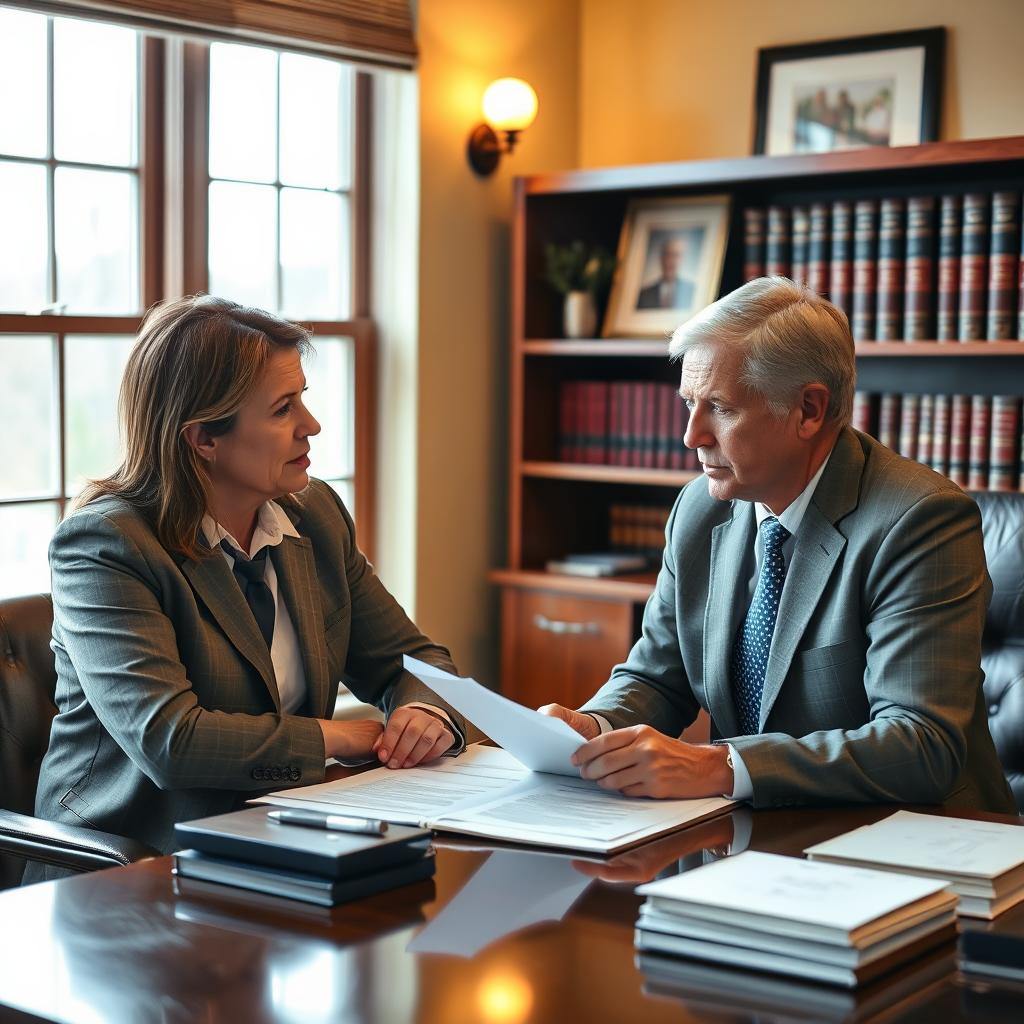
Alimony Lawyer Schoharie County
An Alimony Lawyer Schoharie County handles spousal support cases under New York law. Law Offices Of SRIS, P.C. —Advocacy Without Borders. represents clients in Schoharie County Family Court. We address temporary and post-divorce maintenance orders. Our team fights for fair support outcomes based on statutory factors. Procedural specifics for Schoharie County are reviewed during a Consultation by appointment at our Schoharie County Location. (Confirmed by SRIS, P.C.)
Statutory Definition of Spousal Support in New York
New York Domestic Relations Law § 236(B)(6) governs spousal maintenance awards. The statute provides a detailed formula for calculating temporary and post-divorce support. It considers income caps and durational guidelines. The court has discretion to deviate from the formula. Judges can order support for a set period or indefinitely. The goal is to achieve fairness based on multiple statutory factors. An Alimony Lawyer Schoharie County must apply these complex rules.
New York law uses the term “maintenance” instead of alimony. The statutory formula applies to couples married after January 23, 2016. For marriages before that date, older case law principles apply. The court calculates a guideline amount from the payor’s income. Income is defined broadly under the statute. It includes bonuses, commissions, and investment earnings. The formula caps the payor’s income for calculation purposes. The cap is $203,000 as of 2023. The court then applies a percentage to the capped income. For the payor, it’s 30% of their income minus 20% of the recipient’s income. For the recipient, it’s 40% of the combined income minus their own income. The lower of these two amounts is the guideline award. The duration of post-divorce maintenance is also guided by statute. It ranges from 15% of the marriage length for short marriages to 50% for long marriages. Marriages of 20+ years can justify longer or permanent awards. The court must consider 14 statutory factors for deviation. These include age, health, and earning capacity of each party. The wasteful dissipation of marital assets is also a factor. The need for one party to care for children can affect the award. The presence of a prenuptial agreement can control the outcome. An experienced New York family law attorney is essential.
What is the difference between temporary and post-divorce maintenance?
Temporary maintenance is paid during the divorce proceeding. Post-divorce maintenance is ordered in the final judgment. The calculation formulas differ for each type of support. Temporary support aims to preserve the status quo. Post-divorce support focuses on rehabilitation or long-term need.
How does a judge decide to deviate from the guideline amount?
A judge deviates based on the 14 factors in DRL § 236(B)(6). Unusually high living expenses can justify a deviation. The tax consequences to each party are also considered. A party’s inability to become self-supporting is a key factor. The wasteful dissipation of assets can reduce an award.
Can spousal support be modified after the divorce?
Spousal support can be modified upon a showing of changed circumstances. A substantial increase or decrease in income is a common reason. The involuntary loss of employment may justify modification. The recipient’s cohabitation can be grounds for termination. Retirement may also be a basis for modifying an award.
The Insider Procedural Edge in Schoharie County
Schoharie County Family Court is located at 290 Main Street, Schoharie, NY 12157. This court handles all petitions for spousal support and modification. The filing fee for a support petition is approximately $210. You must file a Family Court petition to start a case. The respondent has time to file an answer. The court will schedule a preliminary conference. Temporary orders can be issued early in the process. Discovery of financial documents is mandatory. Both parties must exchange tax returns and pay stubs. A court attorney may conduct an initial review. The case may be referred to a Support Magistrate for a hearing. Procedural rules are strict in Schoharie County Family Court. Missing a deadline can result in a default judgment. Local rules require specific financial affidavits. The court expects full disclosure of all assets and income. Hiding income can lead to severe sanctions. Working with a spousal support lawyer in New York is critical for procedure.
What is the typical timeline for a spousal support case?
A contested spousal support case can take several months to resolve. Temporary orders may be issued within a few weeks. The discovery phase usually lasts 60 to 90 days. Settlement conferences are scheduled throughout the process. A trial may be set if no agreement is reached.
What financial documents are required for court?
You must provide three years of federal tax returns. Recent pay stubs and W-2 forms are required. Documentation of all other income sources is necessary. A detailed statement of monthly expenses must be filed. Proof of assets and debts is also mandatory.
Penalties & Defense Strategies in Support Cases
The most common penalty is an income execution for unpaid support. The court can order wage garnishment to collect arrears. Contempt of court is a potential penalty for non-payment. Jail time is possible for willful violation of a support order. Fines and driver’s license suspension are additional penalties. The court can place liens on real property. Tax refund intercepts are used by the support collection unit. Professional licenses can be suspended for non-payment. The court calculates arrears with statutory interest. Defenses require precise legal arguments. A substantial change in circumstances can be a defense. The payor’s involuntary unemployment may justify a modification. The recipient’s cohabitation may terminate the support obligation. The payor’s disability can be grounds for reduction. Retirement at a reasonable age may also be a defense. An experienced legal team builds these defenses.
| Offense | Penalty | Notes |
|---|---|---|
| Failure to Pay Support | Income Execution (Wage Garnishment) | Automatic for arrears exceeding one month’s payment. |
| Willful Violation of Order | Contempt of Court | Can result in fines up to $1,000 and/or jail up to 6 months. |
| Accumulated Arrears | Driver’s License Suspension | Initiated by the Support Collection Unit. |
| Non-Payment | Passport Denial/Renewal Block | For arrears exceeding $2,500. |
| Ongoing Delinquency | Professional License Suspension | Applies to medical, legal, real estate, and other licenses. |
[Insider Insight] Schoharie County judges expect strict compliance with support orders. The court favors income executions for enforcement. Local prosecutors in the Support Collection Unit aggressively pursue arrears. They routinely seek license suspensions for persistent non-payment. Demonstrating a good faith effort to pay is crucial. Presenting a modification petition before falling behind is a better strategy.
What are the consequences of falling behind on payments?
Arrears accrue with 9% statutory interest per annum. The Support Collection Unit will file an enforcement petition. Your wages can be garnished without further court order. Your driver’s license is subject to suspension. Your passport application or renewal can be denied.
How can I defend against a contempt allegation?
You must prove an inability to pay was not willful. Medical disability documentation is strong evidence. Proof of involuntary job loss is a key defense. Showing a good faith effort to find new work helps. Filing a modification petition before the hearing is critical.
Why Hire SRIS, P.C. for Your Schoharie County Case
Our lead attorney for family law matters has over 15 years of litigation experience. This attorney has handled hundreds of support cases in upstate New York. We know the tendencies of Schoharie County Family Court judges. Our firm has a track record of achieving favorable settlements. We also prepare every case for trial if necessary. SRIS, P.C. provides aggressive advocacy for both payors and recipients. We analyze financial disclosures for accuracy and completeness. Our team identifies hidden income and undervalued assets. We craft arguments based on the 14 statutory factors. We negotiate with the Support Collection Unit effectively. We file timely modification petitions when circumstances change. Our goal is a fair and legally sound support order. An Alimony Lawyer Schoharie County from our firm brings local knowledge.
Lead Family Law Attorney
Experience: 15+ years in New York family courts.
Focus: Complex spousal support and equitable distribution.
Approach: Direct negotiation backed by trial readiness.
Record: Numerous successful modifications and enforcement actions in Schoharie County.
Localized FAQs for Spousal Support in Schoharie County
How long does spousal support last in New York?
Post-divorce support duration is based on marriage length. For marriages up to 15 years, it’s 15-30% of the marriage length. For marriages 15-20 years, it’s 30-40%. For marriages over 20 years, it’s 35-50% or longer. The court can order permanent maintenance in long-term marriages.
What income is considered for calculating support?
The court considers gross income from all sources. This includes wages, bonuses, commissions, and dividends. Investment income, rental income, and retirement benefits count. Social Security disability benefits may also be considered. The calculation caps income at $203,000 for the formula.
Can I get spousal support if I was not married long?
Temporary support is possible in short-term marriages. Post-divorce maintenance is less likely for brief marriages. The court focuses on need and ability to pay. If one party gave up a career, support may be awarded. The duration would be short under the statutory guidelines.
What happens if my ex-spouse refuses to pay court-ordered support?
File a violation petition in Schoharie County Family Court. The court can issue an income execution for wage garnishment. The Support Collection Unit can suspend the payor’s driver’s license. The court can find the payor in contempt, leading to fines or jail. Liens can be placed on the payor’s real property.
How is spousal support treated for taxes?
For divorces finalized after December 31, 2018, support is not deductible. The payor cannot deduct payments from federal taxable income. The recipient does not include payments as taxable income. This is a change from prior federal tax law. State tax treatment in New York aligns with federal rules.
Proximity, CTA & Disclaimer
Our Schoharie County Location serves clients throughout the region. We are accessible for case reviews and court appearances. Consultation by appointment. Call 24/7. Our team understands local court procedures and personnel. We provide focused representation for spousal support matters. Contact SRIS, P.C. to discuss your specific situation.
Law Offices Of SRIS, P.C.—Advocacy Without Borders.
Phone: [Phone Number for Schoharie County Location]
Address: [Firm Address in Schoharie County, NY]
Past results do not predict future outcomes.