
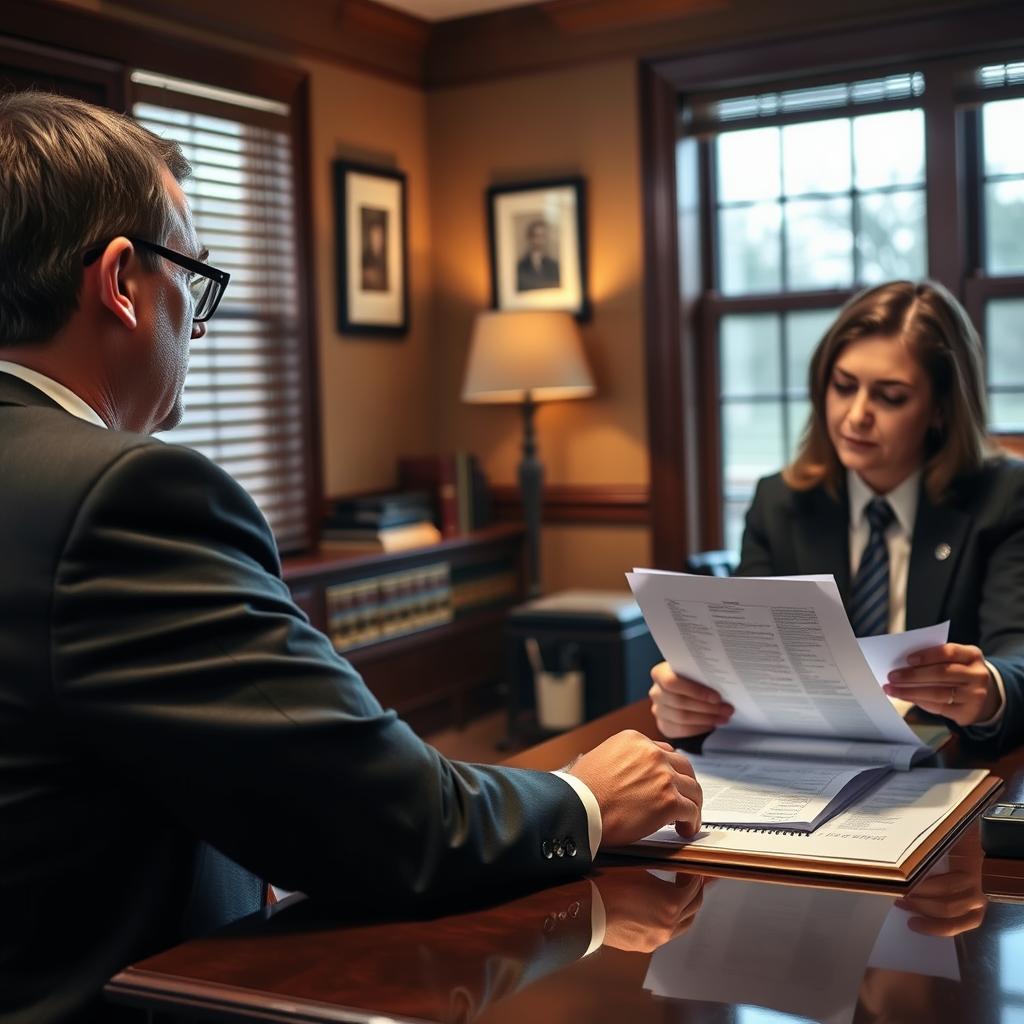
Adultery Divorce Lawyer Schoharie County, NY
You discovered evidence your spouse has been unfaithful. The emotional shock can leave you wondering what happens next—and whether the law cares. In Schoharie County, New York, adultery remains a recognized fault ground for divorce under the Domestic Relations Law. While New York offers no‑fault divorce, proving adultery can shift the balance of a case, affecting spousal maintenance and the division of marital property. At Law Offices Of SRIS, P.C., we help clients in Schoharie, Cobleskill, Middleburgh, Sharon Springs, and the surrounding Mohawk Valley communities pursue divorce on fault grounds when the facts support it. Mr. Sris and his Of Counsel team understand how the Schoharie County Supreme Court handles these matters. For a confidential conversation about your options, reach us at (888) 437‑7747. Law Offices Of SRIS, P.C. – Advocacy Without Borders.
Strategy Options for Adultery Divorce in Schoharie County
New York is not a pure no‑fault state; fault still matters in divorce. Under New York Domestic Relations Law § 170(4), a divorce may be granted when adultery has been committed. Many people assume that because the state adopted no‑fault divorce—where a six‑month irretrievable breakdown of the marriage is enough—fault is irrelevant. That is not the whole picture. When adultery is proven, the court can consider the marital misconduct when deciding spousal maintenance and equitable distribution of assets.
An adultery‑based divorce requires admissible evidence. Unlike some states, New York courts do not demand eyewitness testimony, but the evidence must be clear and convincing. Circumstantial evidence—such as hotel receipts, electronic communications, or private investigator reports—can be sufficient. The decision to pursue a fault‑based divorce is a strategic one. Sometimes the threat of litigation and the exposure of misconduct leads to a more favorable settlement. In other cases, the cost and emotional toll of proving adultery outweigh the likely benefit. Mr. Sris and his Of Counsel evaluate the facts from the outset and explain whether a fault ground improves your position or merely complicates an already difficult situation.
What To Expect in an Adultery Divorce Case
A divorce case in Schoharie County begins with filing a summons and complaint in the Supreme Court of Schoharie County. The complaint must state the ground for divorce—in this case, adultery—and include the factual basis for the claim. The defendant is served and has an opportunity to answer. If fault is contested, discovery typically includes document requests, depositions, and possibly the engagement of a private investigator. The litigation is often handled through motion practice, including requests for temporary spousal support and exclusive use of the marital residence.
Divorce trials in Schoharie County are heard by a judge, not a jury. Proving adultery at trial means presenting evidence that meets the clear‑and‑convincing standard. The court will determine whether the evidence is sufficient and, if so, whether and how the finding of fault should influence the equitable distribution of marital property and any award of maintenance. Because the litigation can be protracted, many cases resolve through negotiation before trial. The timeline varies considerably; an uncontested divorce may conclude in months, while a contested fault‑based divorce can take substantially longer depending on discovery disputes and court scheduling.
Penalty Overview
Adultery itself does not carry a “penalty” in the criminal sense—it is not a crime in New York. However, in the context of a divorce, a finding of adultery can have real financial consequences. The court is authorized to consider fault when determining equitable distribution under Domestic Relations Law § 236. For example, if marital assets were dissipated to finance an affair, the injured spouse may receive a greater share of the remaining property to compensate. Similarly, a spouse who committed adultery may be denied spousal maintenance, or the amount and duration may be reduced.
The analysis is fact‑specific. The court looks at whether the misconduct affected the economic circumstances of the marriage. Merely proving infidelity does not automatically result in a lopsided distribution; the judge weighs all statutory factors, including the duration of the marriage, the contributions of each spouse, and the parties’ future earning capacities. Mr. Sris and his Of Counsel present the evidence in a way that connects the fault to the financial issues, so the court can make a fully informed decision.
About Mr. Sris and His Of Counsel Team
Mr. Sris, Owner and Founder of Law Offices Of SRIS, P.C., is a former prosecutor with deep trial experience. Admitted in New York, Virginia, Maryland, the District of Columbia, and New Jersey, he has built a multi‑state practice rooted in thorough preparation and client‑focused advocacy. His background in criminal litigation gives him an edge when a divorce case involves contested factual hearings—the kind that arise when one party accuses the other of adultery and the evidence must be tested in court.
Mr. Sris is supported by a team of Of Counsel attorneys who bring decades of additional experience in family law, litigation, and negotiation. Together, they provide clients in Schoharie County with a coordinated strategy that addresses the legal, financial, and personal dimensions of a fault‑based divorce. The firm’s central New York presence, including the Buffalo location at 50 Fountain Plaza, ensures clients can meet with counsel and have representation at the Schoharie County Supreme Court, 290 Main Street, Schoharie, NY.
Frequently Asked Questions
What is an adultery divorce in New York?
An adultery divorce is a divorce granted on the fault ground that the defendant committed adultery, as defined by New York Domestic Relations Law § 170(4). Unlike a no‑fault divorce, which requires only a sworn statement that the marriage has irretrievably broken down for at least six months, an adultery divorce demands proof. The plaintiff must present clear and convincing evidence of the extramarital affair. While often emotionally charged, this type of divorce can influence financial outcomes, so it is a strategic tool rather than a moral statement.
Do I need proof of adultery to file?
Yes, if you are seeking a divorce on the ground of adultery, you need admissible evidence. You do not need a photograph or an admission—circumstantial evidence can suffice. Phone records, credit card statements, travel logs, and testimony from witnesses are commonly used. An experienced attorney helps you evaluate what evidence is available and whether it is likely to meet the clear‑and‑convincing standard applied by New York courts.
How does adultery affect property division?
Adultery can affect equitable distribution when it has an economic impact on the marriage. If marital funds were spent on an affair—gifts, hotels, trips—the court may award the innocent spouse a larger share of the remaining assets to offset the waste. Even without direct economic dissipation, fault can influence the judge’s broader assessment of the equities, though it is only one of many factors under Domestic Relations Law § 236.
Can adultery impact child custody?
Adultery alone rarely affects child custody unless the affair had a direct negative impact on the child. New York custody decisions are based on the best interests of the child. A parent’s extramarital relationship, by itself, does not make that parent unfit. However, if the relationship exposed the child to harmful situations or caused the parent to neglect the child’s needs, it could become relevant. The court focuses on parenting ability, not private conduct.
How long does an adultery divorce take in Schoharie County?
The timeline varies depending on whether the divorce is contested and the complexity of proving fault. An uncontested divorce, even one citing adultery, can be finalized a few months after filing if all issues are settled. A contested fault‑based divorce, with discovery and possibly a trial, may take well over a year. The Schoharie County Supreme Court schedules its calendar based on judicial availability and case volume, so precise predictions are not possible. Working with counsel who prepares the case efficiently can help move matters forward.
How much does an adultery divorce cost?
Costs depend on the complexity of the case and whether fault is contested. Simple, uncontested filings involve court fees and legal service charges that are relatively modest. When the case requires discovery, depositions, private investigators, and trial preparation, the expense increases. At Law Offices Of SRIS, P.C., we discuss fee structures during the initial consultation so clients understand what to expect before they commit. Payment plans may be available.
Can my spouse contest the adultery divorce?
Yes, a spouse can contest both the allegation of adultery and the divorce itself. A defendant who denies the affair may file an answer and demand that the plaintiff prove the fault ground at trial. The defense may also argue that the plaintiff condoned the adultery—for example, by continuing to live with the spouse after learning of it. Such defenses are fact‑intensive and require careful legal analysis. Mr. Sris and his Of Counsel prepare for contested hearings from the outset, so clients are not caught off guard.
What if I cannot prove adultery?
If you cannot prove adultery, you may still obtain a divorce on no‑fault grounds. New York allows a divorce when the marriage has irretrievably broken down for at least six months. You do not need consent from your spouse. While you cannot use fault as a bargaining chip, you can still seek equitable distribution and spousal maintenance. The absence of proof does not leave you trapped in the marriage.
Do I need a lawyer for an adultery divorce?
While you are not legally required to hire a lawyer, an adultery divorce involves procedural and evidentiary challenges that make experienced legal counsel valuable. A lawyer helps you assess whether the fault ground strengthens your position, gathers admissible evidence, and handles the litigation. Mr. Sris and his Of Counsel represent clients in Schoharie County Supreme Court and can guide you through each stage of the process.
How do I start an adultery divorce in Schoharie County?
Start by speaking with a qualified divorce lawyer to review the facts and determine the trusted grounds for your situation. If adultery is the chosen ground, the attorney will prepare a summons and complaint and file it with the Schoharie County Supreme Court, located at 290 Main Street, Schoharie, NY. The complaint must include a detailed statement of the alleged adultery. Your lawyer will then arrange for service of process on your spouse. From there, the case proceeds according to the New York Civil Practice Law and Rules.
How does the firm handle adultery divorce cases?
Mr. Sris and his Of Counsel approach each adultery divorce with a focus on the client’s goals—whether that means actively pursuing fault to gain financial leverage or using it to secure a fair settlement. The team investigates the facts, gathers evidence through lawful means, and presents the case to the court with precision. Clients receive straightforward advice about whether proving adultery will help their overall position. For a consultation, reach Law Offices Of SRIS, P.C. at (888) 437‑7747.
For a full statutory analysis of divorce laws, see our comprehensive divorce overview.
To discuss your specific situation confidentially, contact Law Offices Of SRIS, P.C. at (888) 437‑7747. We represent clients in Schoharie County and throughout New York. Calls are answered 24 hours a day, and consultations are scheduled by appointment. Our New York location is at 50 Fountain Plaza, Suite 1400, Office No. 142, Buffalo, NY 14202. You may also reach us at (838) 292‑0003.
Attorney advertising. Prior results do not guarantee a similar outcome.
Case results depend on a variety of factors unique to each case.
Results may vary.