
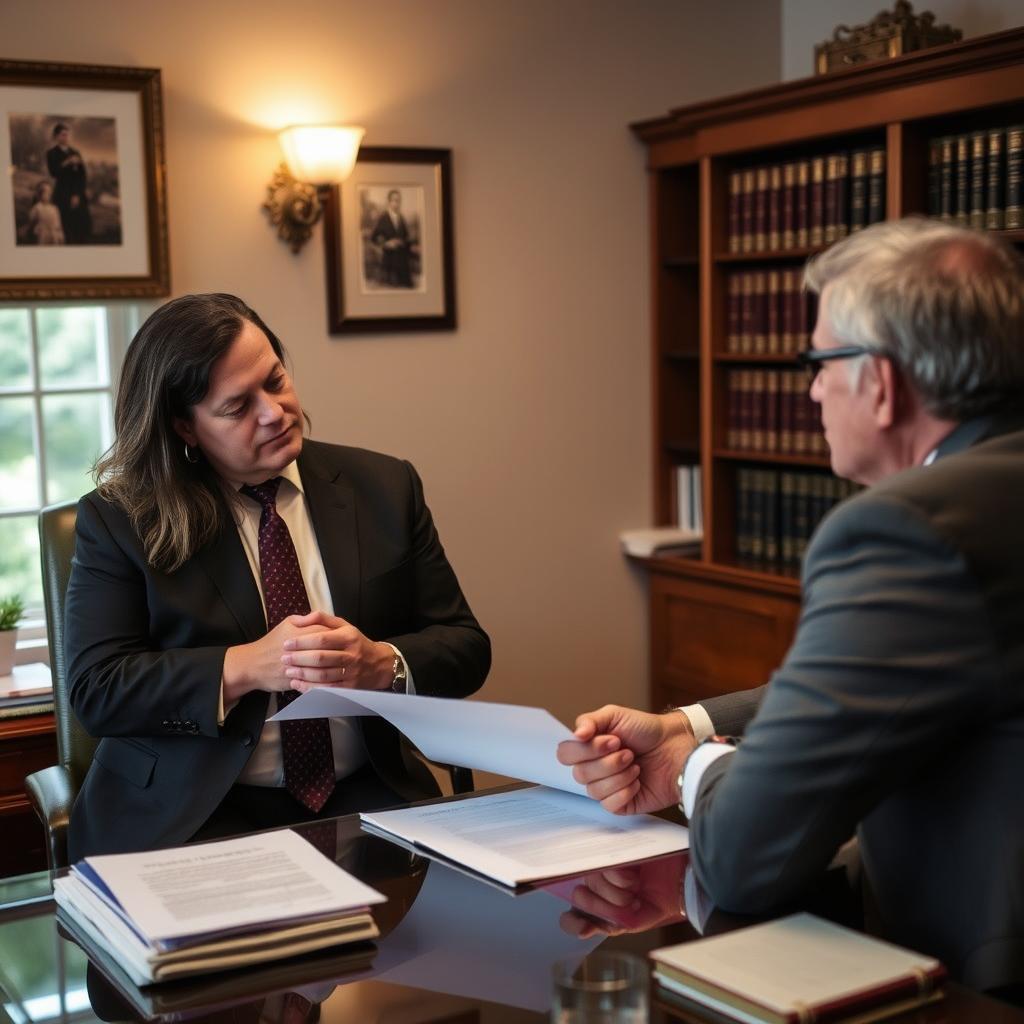
Adultery Divorce Lawyer Otsego County, NY
In New York, adultery remains a fault ground for divorce, and pursuing or defending an adultery-based claim requires a clear understanding of how the courts in Otsego County apply the statutory framework. At Law Offices Of SRIS, P.C., Mr. Sris and his Of Counsel represent clients whose marriages are ending under allegations of marital misconduct. The team appears at the Otsego County Supreme Court in Cooperstown, serving the communities of Oneonta, Cherry Valley, Richfield Springs, and surrounding towns throughout the 6th Judicial District. Whether you are considering filing on the ground of adultery or have been accused of it, the approach to evidence, property division, and spousal maintenance can differ from a no‑fault case. To request a consultation about your matter, reach our firm at (888) 437‑7747. Law Offices Of SRIS, P.C. – Advocacy Without Borders.
What Adultery Divorce Means in Otsego County
Adultery is one of the fault grounds specifically recognized by New York law. The operative statute, Domestic Relations Law § 170(4), permits a divorce when the defendant spouse has committed adultery. Unlike the no‑fault ground of irretrievable breakdown of the relationship for at least six months, a fault‑based claim does not depend on a waiting period. The person filing the action must submit a verified complaint setting out the factual basis for the allegation, and the case proceeds in the Supreme Court of the county where either spouse resides. In Otsego County, that court is located at 197 Main Street in Cooperstown.
Proving adultery in a matrimonial action is a civil matter, not a criminal one, and the burden of proof rests on the party asserting the claim. The standard is a preponderance of the evidence, but the nature of the proof often makes the litigation more demanding than a consensual or separation‑based divorce. The court has discretion under Domestic Relations Law § 236 to consider fault when determining equitable distribution and maintenance. How the accusation affects the division of marital property and any award of spousal support depends on the specific financial picture and the conduct that the evidence actually establishes. For families with children, the trusted‑interests standard governs custody decisions, and adultery alone does not automatically disqualify a parent from a meaningful role in the child’s life.
How Mr. Sris and His Of Counsel Handle Adultery Divorce Cases
An adultery divorce matter in Otsego County begins with a thorough evaluation of the facts and the evidence that is realistically available. Mr. Sris and his Of Counsel work to develop a strategy that matches the client’s goals—whether that means filing a complaint grounded on adultery, responding to such a complaint, or negotiating a resolution that avoids the expense and public exposure of a fault‑based trial. Early in the process, the team advises on the automatic orders that take effect under DRL § 236 when the divorce is commenced, which freeze marital assets and prohibit changes to insurance coverage without court permission or written consent.
If the case cannot be resolved through settlement discussions or mediation, the litigation proceeds with discovery, depositions, and potentially a trial at the Otsego County Supreme Court. During this phase, the focus is on presenting the evidence legally and effectively while safeguarding the client’s interests with respect to property, support, and, when relevant, parenting time. Throughout the proceeding, the firm remains available to answer questions, appear at court conferences, and pursue a favorable outcome under the law. Each case is unique; the timeline and the eventual result depend on the court’s schedule and the complexity of the issues.
About Mr. Sris and His Of Counsel Team
Mr. Sris, Owner and Founder of Law Offices Of SRIS, P.C., has practiced law since 1997 and is admitted in Virginia, Maryland, the District of Columbia, New Jersey, and New York. A former prosecutor, he brings a trial‑tested perspective to family law matters. Mr. Sris testified before the Virginia House Courts of Justice Committee in support of 2019 HB 635 (chief patron Del. David Bulova).
Mr. Sris and his Of Counsel bring over 120 years of combined legal experience and have obtained 4,739+ documented firm-wide results. Results may vary. The team’s depth allows the firm to address discovery disputes, property valuation challenges, and the procedural nuances of fault‑based divorce actions with focused attention. While every case is overseen by Mr. Sris, the Of Counsel attorneys contribute their knowledge in discovery, negotiation, and courtroom advocacy.
Frequently Asked Questions
What is adultery as a ground for divorce in New York?
Adultery is codified as a fault ground under New York Domestic Relations Law § 170(4), allowing a spouse to sue for divorce when the other has engaged in voluntary sexual intercourse with a person outside the marriage. Unlike the no‑fault ground of irretrievable breakdown, an adultery claim does not require a six‑month separation period. However, the party who files must present competent evidence to support the allegation—an admission or proof of opportunity and inclination may be needed. The statute does not assign a fixed penalty but gives the court discretion to weigh the conduct when resolving financial issues. Whether a person files under this ground or responds to it, the proceeding is heard in the Supreme Court of the county where either spouse lives.
Do I need to prove adultery to get a divorce in Otsego County?
No, you do not need to prove adultery to obtain a divorce in Otsego County; New York also permits divorce on no‑fault grounds when the marriage has irretrievably broken down for at least six months. Many couples choose the no‑fault route to avoid the expense and emotional toll of a fault‑based trial. Adultery may be alleged if one spouse believes it will materially influence the court’s decision on property distribution or maintenance, but it is not a prerequisite for ending the marriage. An experienced attorney can explain the strategic implications of selecting one ground over another based on the specific circumstances of your situation.
Can adultery affect property division in a New York divorce?
Yes, under Domestic Relations Law § 236 the court may consider marital fault—including adultery—when deciding how to distribute marital property and whether to award maintenance. New York follows equitable distribution, not community property, so the court aims for a fair, not necessarily equal, division. Adultery is only one of many factors the judge weighs; its impact often turns on whether the misconduct wasted marital assets, disrupted the family’s finances, or otherwise affected the economic partnership. In many cases, the financial effect of adultery is limited, but when substantial marital funds were spent on the affair, the innocent spouse may receive a larger share of the remaining property. Each case is fact‑specific.
How does adultery affect spousal maintenance in Otsego County?
Adultery can influence a spousal maintenance award because the court is authorized to consider fault under the equitable‑distribution and maintenance factors of DRL § 236. The statutory formula for temporary maintenance is presumptively applied based on income levels, but the court retains discretion to adjust the amount or duration of post‑divorce maintenance when marital fault, such as adultery, is established. In practice, the financial circumstances of both parties are often the dominant consideration, and adultery alone rarely results in a dramatic departure from the formula. The outcome depends on the evidence presented and how the court weighs all relevant statutory factors.
Is adultery considered in child custody decisions?
Generally, adultery by itself does not determine custody; New York courts decide custody based on the best interests of the child, not on the moral character of the parents. The judge examines factors such as each parent’s ability to provide a stable home, the child’s relationship with each parent, and any history of domestic violence. An extramarital affair becomes relevant only if it demonstrably harms the child—for example, if the parent’s conduct exposes the child to an unsafe environment or substantially interferes with parenting responsibilities. Absent such a showing, the court will not use adultery as the primary basis for a custody determination.
How do I find an adultery divorce lawyer in Otsego County?
You can contact Law Offices Of SRIS, P.C. at (888) 437‑7747 to schedule a consultation with Mr. Sris or his Of Counsel team about an adultery‑based divorce in Otsego County. The firm represents clients at the Otsego County Supreme Court in Cooperstown and can advise you on whether asserting adultery is appropriate in your case or how to defend against such an allegation. When you call, be prepared to discuss the factual background of your marriage, any evidence you may have, and your goals regarding property and support. For guidance on your specific situation, reach the firm at (888) 437‑7747.
Attorney advertising. Prior results do not guarantee a similar outcome. Case results depend on a variety of factors unique to each case.
Results may vary.