
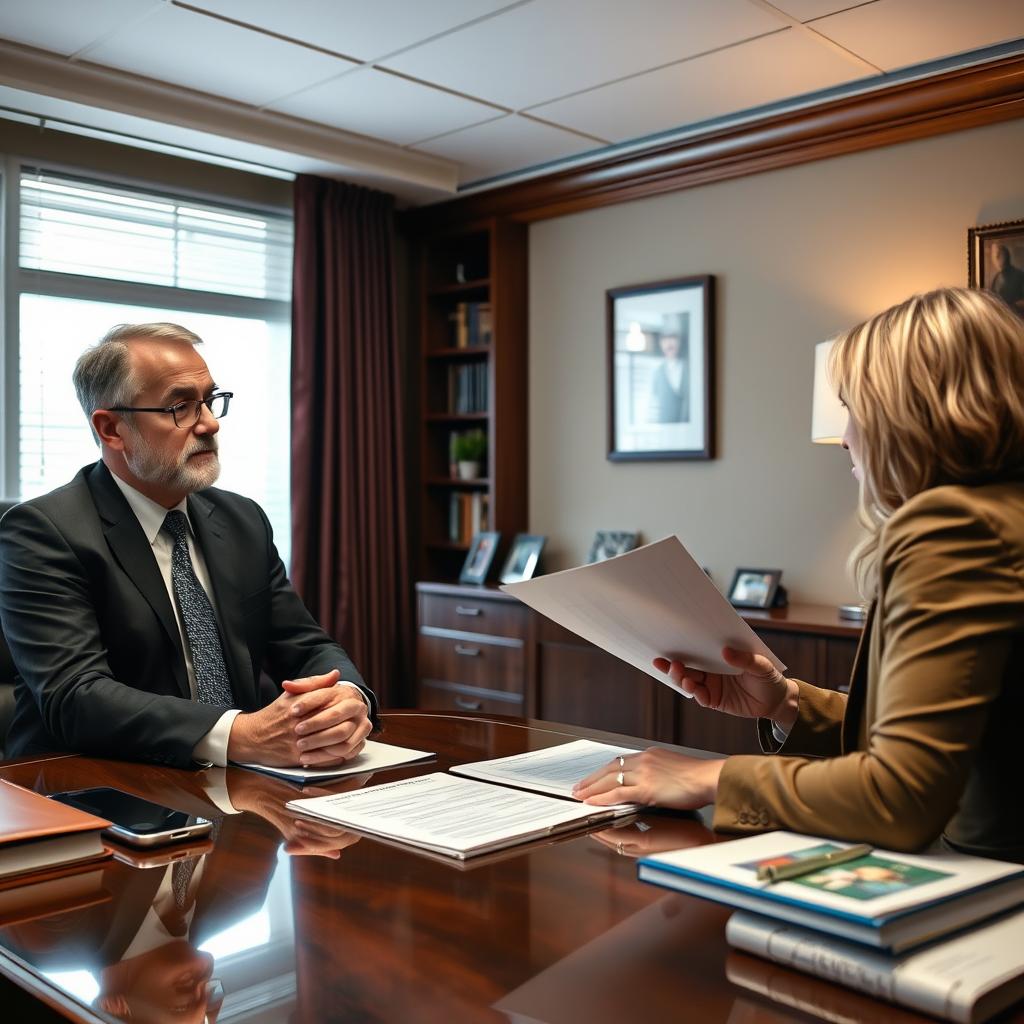
Adultery Divorce Lawyer Dutchess County, NY
When a marriage ends amid allegations of infidelity, the legal path forward demands clear understanding of the fault-based divorce option under New York law. In Dutchess County, adultery remains one of the fault grounds for divorce under the New York Domestic Relations Law, and a party seeking a divorce on this basis must present competent proof to the Supreme Court located at 10 Market Street, Poughkeepsie. Mr. Sris, Owner and Founder of Law Offices Of SRIS, P.C., concentrates his practice on family law matters and, together with his Of Counsel, serves clients across the Hudson Valley from the firm’s New York location. Whether you are considering filing for divorce on the ground of adultery or are defending against such an allegation, experienced legal representation can help navigate the procedural and evidentiary requirements of the Dutchess County Supreme Court. To request a consultation, call (888) 437-7747. Law Offices Of SRIS, P.C. – Advocacy Without Borders.
What Adultery Divorce Means in Dutchess County
New York Divorce Law provides that a spouse may seek a divorce based on adultery, defined as voluntary sexual intercourse between a married person and someone other than his or her spouse, under Domestic Relations Law § 170(4). In Dutchess County, all divorce actions are heard in the Supreme Court of the State of New York, Dutchess County, at 10 Market Street, Poughkeepsie. The Supreme Court has exclusive jurisdiction over matrimonial actions, while related matters such as child custody, support, and orders of protection may also be addressed in Dutchess County Family Court.
Unlike New York’s no-fault divorce ground—which requires only a statement that the marriage has been irretrievably broken for at least six months—an adultery-based divorce places a burden of proof on the party alleging the fault. The evidence must establish adultery by clear and convincing evidence, a higher standard than the preponderance used in most civil matters. Courts require corroboration from independent sources; the uncorroborated testimony of a spouse is insufficient. This evidentiary hurdle makes adultery divorce more complex than a no-fault proceeding and often involves investigation, witness testimony, and meticulous documentation.
Dutchess County’s Supreme Court sits within the 9th Judicial District, and its decisions in adultery divorce cases follow New York’s equitable distribution framework for marital property. A finding of adultery can influence the court’s determination of maintenance and property division, particularly if marital assets were dissipated to further the extramarital relationship. These considerations make it important to work with an attorney who understands both the procedural landscape of the local court and the substantive law that applies to fault-based divorce in New York.
Dutchess County Supreme Court Court hours: Mon-Fri 9:00AM-5:00PM. Counsel appearing on family law matters should plan filings accordingly.
How Mr. Sris and His Of Counsel Handle Adultery Divorce Cases
Mr. Sris and his Of Counsel approach adultery divorce matters with a focus on thorough case preparation and straightforward guidance. Because the proof requirements are stringent, the initial consultation includes a detailed discussion of the factual circumstances, the available evidence, and the strategic considerations of proceeding on a fault ground versus the no-fault alternative. If a client chooses to pursue a divorce on the ground of adultery, the team works to gather and preserve evidence, identify potential witnesses, and, when appropriate, engage licensed private investigators in a manner consistent with New York law and ethical rules.
Throughout the litigation, Mr. Sris and his Of Counsel represent clients at conferences, motion hearings, and, if necessary, trial in Dutchess County Supreme Court. The process typically begins with the filing of a Summons with Notice or Summons and Complaint, followed by discovery and mandatory court appearances. While many family law matters resolve through negotiation or settlement, adultery cases that cannot be settled proceed to trial, where the burden of proof requires a well-prepared presentation. The team tailors its strategy to the specific facts and objectives of each case, always aiming to work toward a favorable resolution.
About Mr. Sris and His Of Counsel Team
Mr. Sris, Owner and Founder of Law Offices Of SRIS, P.C., has practiced law since 1997 and is admitted in Virginia, Maryland, the District of Columbia, New Jersey, and New York. A former prosecutor, he brings a focus on litigation and courtroom advocacy to family law matters. Mr. Sris testified before the Virginia House Courts of Justice Committee in support of 2019 HB 635 (chief patron Del. David Bulova), a legislative effort related to equitable distribution. He leads a team of Of Counsel attorneys who collectively bring over 120 years of combined legal experience to the firm’s practice. Results may vary. Mr. Sris and his Of Counsel have documented 4,739+ case results across all practice areas since 1997.
Frequently Asked Questions
How does adultery affect a divorce in New York?
Adultery can serve as a fault ground for divorce and may influence the court’s decisions on property distribution and spousal maintenance. Under Domestic Relations Law § 170(4), a spouse may obtain a divorce by proving the other spouse committed adultery. While New York also permits a no-fault divorce without proving fault, choosing to proceed on an adultery ground can affect equitable distribution if marital funds were used to support the affair. Additionally, a court may consider the misconduct when determining maintenance. The party alleging adultery carries the burden of proof and must present corroborative evidence beyond his or her own testimony.
Do I need to prove adultery to get a divorce in Dutchess County?
No, New York law does not require proof of adultery; a no-fault divorce is available when the marriage has been irretrievably broken for at least six months. Most divorces proceed on the no-fault ground under DRL § 170(7), which avoids the need to prove fault. However, some individuals prefer to allege adultery for strategic reasons related to finances or personal principles. Consulting with a family law attorney can clarify whether pursuing an adultery ground is appropriate given your circumstances and the evidence available.
How is child support calculated in Dutchess County?
New York child support is calculated as a statutory percentage of combined parental income: 17% for one child, 25% for two, 29% for three, 31% for four, and 35% for five or more children, on income up to a statutory cap.
Source: New York Domestic Relations Law § 240(1-b). New York Domestic Relations Law § 240
Reviewed by Mr. Sris, admitted in VA/MD/DC/NJ/NY.
Child support in Dutchess County follows the formula set by the New York Child Support Standards Act. The court applies the percentages shown above to the combined parental income up to a statutory cap (though the cap is subject to legislative adjustment). For income above the cap, the court may apply the same percentages or deviate based on statutory factors such as the child’s needs and the standard of living. The Dutchess County Supreme Court or Family Court determines child support as part of the divorce or support proceeding. An attorney can help present the financial information necessary for an accurate calculation.
What are the grounds for divorce in New York?
New York recognizes both fault and no-fault grounds for divorce, including adultery, cruel and inhuman treatment, abandonment, imprisonment, and irretrievable breakdown of the marriage. The no-fault ground under DRL § 170(7) is the most commonly used and requires only that the relationship has been irretrievably broken for at least six months. Fault grounds remain available under DRL § 170(1)-(6) and may be chosen for tactical reasons in certain cases. A Dutchess County divorce lawyer can explain which grounds fit your situation.
Can I use a private investigator to gather evidence of adultery for my Dutchess County divorce?
Yes, an experienced attorney can advise on the lawful use of a private investigator to gather evidence of adultery consistent with New York law. Because adultery must be proven by clear and convincing evidence and requires corroboration, discreet investigation may be appropriate. The rules of evidence and privacy laws impose boundaries on how such information may be obtained and used. Your lawyer can coordinate with licensed professionals to ensure admissible evidence is collected properly.
How do I start the divorce process in Dutchess County?
To begin a divorce in Dutchess County, one spouse files a Summons with Notice or Summons and Complaint in the Dutchess County Supreme Court. The filing must meet residency requirements and contain the appropriate ground for divorce. After filing, the other spouse must be served with the papers, and the case proceeds through discovery, court conferences, and potentially trial. Because the initial documents frame the entire case, consulting with an attorney before filing is advisable. To request a consultation, reach Law Offices Of SRIS, P.C. at (888) 437-7747.
Other Dutchess County family law resources: Family Law Lawyer Manhattan | Family Law Lawyer Brooklyn | Family Law Lawyer Queens
Official sources: Dutchess County Supreme Court ? New York Domestic Relations Law § 170 ? NY Courts Divorce Information
Attorney advertising. Prior results do not guarantee a similar outcome.
Case results depend on a variety of factors unique to each case.
Results may vary.