
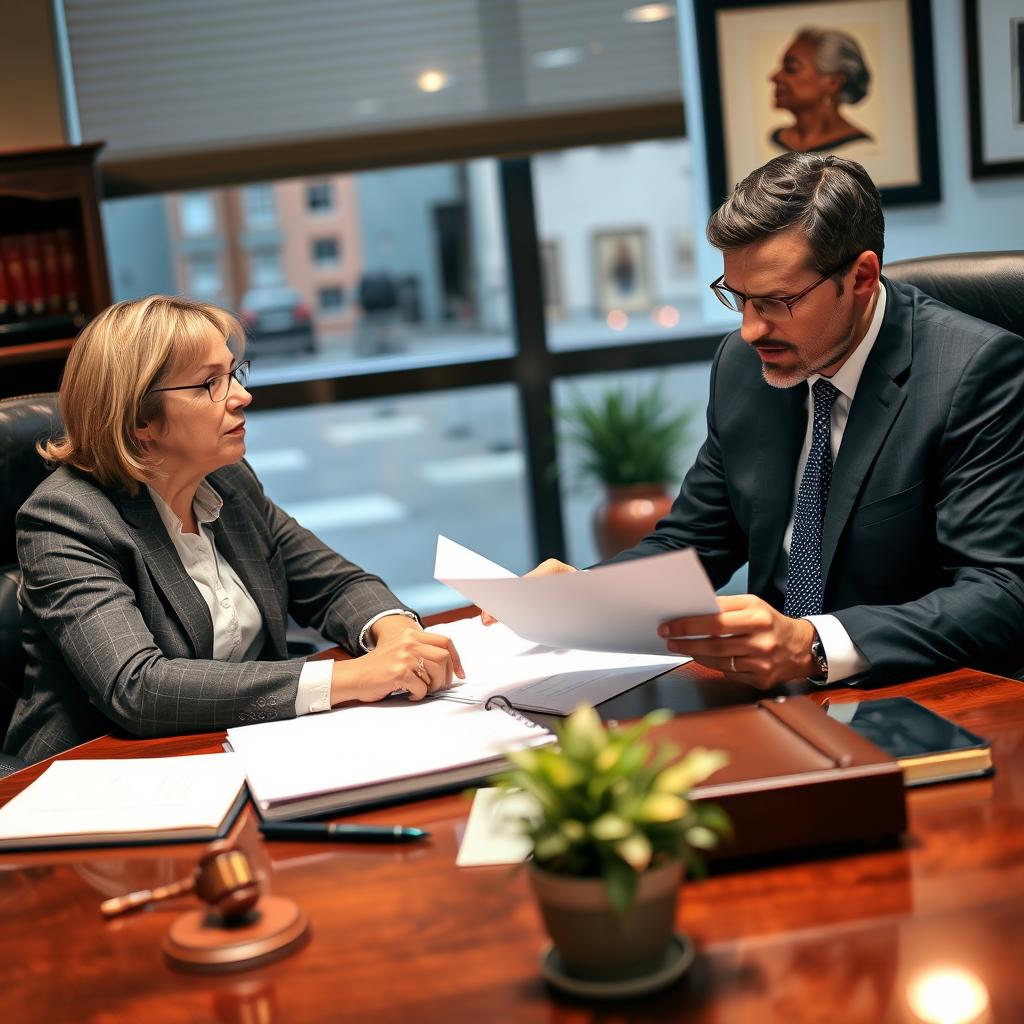
Adultery Divorce Lawyer Chenango County, NY
Adultery is one of the fault-based grounds for divorce in New York, established under Domestic Relations Law § 170(1). When a spouse alleges that the other committed adultery during the marriage, the divorce proceeding can carry significant consequences for property division, spousal maintenance, and sometimes child custody. In Chenango County, these matters are heard in the Supreme Court, located at 5 Court Street, Norwich, New York, within the 6th Judicial District. Law Offices Of SRIS, P.C., founded in 1997, represents clients across New York, including Norwich, Sherburne, Greene, Oxford, and surrounding communities. Mr. Sris and his Of Counsel bring experience in navigating the procedural and evidentiary demands of adultery-based divorce, working toward resolutions that protect a client’s financial interests and parental rights. To discuss your situation, reach our firm at (888) 437-7747. Law Offices Of SRIS, P.C. – Advocacy Without Borders.
What Adultery Divorce Means in Chenango County, New York
New York is an equitable distribution state, which means marital property is divided fairly, though not necessarily equally. Adultery, as a fault ground, can influence how the court weighs the statutory factors under DRL § 236 in awarding property and maintenance. The spouse alleging adultery must present competent proof; the standard of evidence is not the criminal “beyond a reasonable doubt” but must be convincing. In Chenango County, divorce actions are filed in the Supreme Court, while related custody and support matters may also involve the Family Court. The court may consider the economic and non-economic impact of the adultery when determining the division of assets, but fault does not automatically guarantee a larger share of property—it is one of many factors the judge weighs.
For families in Norwich, Sherburne, Greene, and the surrounding towns, the local Supreme Court at 5 Court Street provides the venue for these proceedings. The current filing fee for a divorce action in Chenango County is the required amount for the index number purchase, plus $95 for the Request for Judicial Intervention. Equitable distribution examines all marital property, including real estate, retirement accounts, and business interests. The timeline for an uncontested divorce in Chenango County can range from a few months to six months, while a contested adultery case may extend well beyond a year, depending on discovery and trial schedules. Child support in New York follows a statutory formula: 17% of combined parental income for one child, 25% for two, 29% for three, 31% for four, and 35% for five or more children, applied to income up to $163,000, with discretion above that amount. Courts apply the same formula regardless of fault, but custody determinations, governed by the best interests of the child, can be influenced if the adultery has adversely affected the child’s welfare.
How Mr. Sris and His Of Counsel Handle Adultery Divorce Cases
When a client raises adultery as a ground for divorce, or must defend against such an allegation, Mr. Sris and his Of Counsel first evaluate the strength and admissibility of the evidence. Adultery can be difficult to prove, often requiring documentary evidence and third-party testimony. The team works with clients to gather pertinent records, identify witnesses, and prepare a litigation strategy that aligns with the client’s goals—whether that means moving forward with a fault-based petition or negotiating a settlement that avoids public trial.
Because adultery may affect the length and amount of spousal maintenance and the distribution of marital assets, the team emphasizes a thorough financial analysis. They review tax returns, bank records, and property valuations to frame equitable distribution arguments. Mr. Sris and his Of Counsel also address any custody implications, ensuring that the court’s focus remains on the child’s best interests rather than moral judgment alone. Throughout the process, they advise clients on the potential costs and benefits of proceeding on fault grounds versus a no-fault divorce under irretrievable breakdown, which requires a six-month period of living apart. Settlement negotiations and mediation are explored where appropriate, and if trial is necessary, the team’s litigation experience guides courtroom presentation. In every matter, they work to protect the client’s long-term financial and parental position.
About Mr. Sris and His Of Counsel Team
Mr. Sris, Owner and Founder of Law Offices Of SRIS, P.C., has practiced law since 1997 and is admitted in Virginia, Maryland, the District of Columbia, New Jersey, and New York. His background includes service as a former prosecutor, which informs his approach to evaluating evidence and anticipating opposing counsel’s strategy. Mr. Sris testified before the Virginia House Courts of Justice Committee in support of 2019 HB 635 (chief patron Del. David Bulova). He and his Of Counsel have handled a broad range of family law disputes, including fault-based divorce, equitable distribution, custody, and support.
The Of Counsel team are non-employee attorneys engaged through Excella, each with significant experience in family law litigation. Together, Mr. Sris and his Of Counsel bring over 120 years of combined legal experience, with 4,739+ documented firm-wide results. Results may vary. In any specific matter. Clients benefit from a collaborative approach that draws on multiple perspectives, always focused on the individual needs of the person and family involved.
Frequently Asked Questions
What is an adultery divorce in New York?
In New York, an adultery divorce is one based on the fault ground of adultery under Domestic Relations Law § 170(1). The spouse filing for divorce must prove that the other spouse engaged in sexual intercourse with someone other than the spouse during the marriage. Because fault can affect equitable distribution and maintenance, adultery allegations often make divorce more contentious and require careful evidence gathering. Mr. Sris and his Of Counsel evaluate the viability and potential impact of an adultery claim, considering both the legal requirements and the practical risks of litigating such personal matters in Chenango County Supreme Court.
Does adultery affect property division and spousal support in New York?
Adultery can influence how a court divides marital property and awards spousal maintenance, but it is not an automatic penalty. Under DRL § 236, a judge considers fault among many equitable distribution factors. If the adulterous conduct wasted marital assets—for example, money spent on an extramarital affair—the court may award the innocent spouse a larger share to compensate. Similarly, when determining the amount and duration of maintenance, the court may weigh the circumstances of the adultery. An experienced attorney can help present evidence of economic misconduct linked to the adultery and argue for a fair outcome in Chenango County Supreme Court.
Can adultery affect child custody in Chenango County?
Adultery alone does not determine custody; New York courts base custody decisions on the best interests of the child. However, if the adultery exposed the child to harm, neglect, or an unsuitable environment, the court may consider that conduct when evaluating each parent’s fitness. For instance, introducing a new partner with a criminal record or substance abuse problem could be relevant. Mr. Sris and his Of Counsel help clients in Chenango County frame custody disputes so the court focuses on the child’s needs, ensuring that adultery allegations do not unfairly sway the parenting plan unless the evidence shows a direct adverse effect on the child.
Do I need a lawyer for an adultery-based divorce in Chenango County?
While you are not legally required to hire a lawyer, adultery cases involve complex evidentiary rules and significant financial stakes, making professional representation strongly advisable. Proving adultery or defending against the accusation demands strict compliance with procedural and evidentiary standards. Without counsel, you risk losing important rights related to property, support, and custody. Mr. Sris and his Of Counsel represent clients throughout Chenango County, handling every phase from investigation and negotiation to trial if necessary. Their experience with family law courts in the 6th Judicial District can help you navigate the process with clarity.
What is the process for filing an adultery divorce in Chenango County?
To initiate an adultery divorce in Chenango County, a spouse files a summons and complaint with the Supreme Court, pays the required filing fees, and serves the other spouse. The filing fee for the index number is the required amount, plus $95 for the Request for Judicial Intervention. The plaintiff must allege specific acts of adultery with sufficient detail. The case then proceeds through discovery, where each side requests documents and depositions. Settlement conferences are encouraged by the court. If no agreement is reached, a trial is held. Mr. Sris and his Of Counsel guide clients through each step, focusing on building a strong record while protecting sensitive personal information.
For further authoritative information, consult the New York Domestic Relations Law at https://www.nysenate.gov/legislation/laws/DOM/ and the New York State Unified Court System at https://www.nycourts.gov/. For Chenango County Supreme Court specifics, visit https://www.nycourts.gov/courts/6jd/chenango/.
Attorney advertising. Prior results do not guarantee a similar outcome.
Case results depend on a variety of factors unique to each case.