
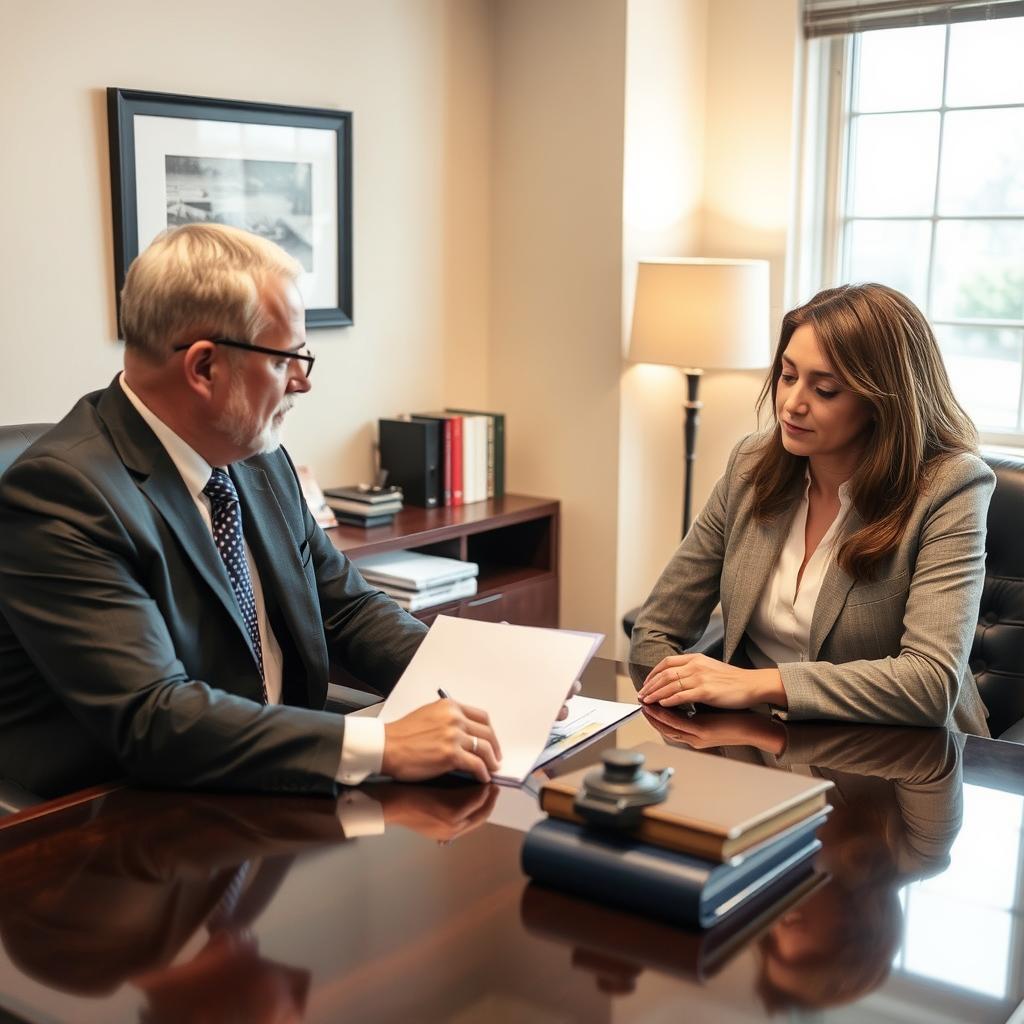
Adultery Divorce Lawyer Broome County, NY
You found text messages on your spouse’s phone that left no doubt, or a friend saw your spouse with someone else in downtown Binghamton. Now you are asking whether New York law still cares about adultery, and whether that evidence can change the outcome of your divorce. Adultery can still matter in a Broome County divorce, but it works differently than many people expect. At Law Offices Of SRIS, P.C., Mr. Sris and his Of Counsel counsel clients throughout the Southern Tier on fault-based divorce strategy, helping them understand how proven marital misconduct affects equitable distribution, maintenance, and the overall direction of the case in Broome County Supreme Court. Law Offices Of SRIS, P.C. – Advocacy Without Borders.
Adultery as a Ground for Divorce in New York
New York recognizes both no-fault and fault grounds for divorce. A spouse may seek a divorce based on the irretrievable breakdown of the marriage for at least six months, or they may assert fault grounds including adultery. To obtain a divorce on the ground of adultery, the party bringing the claim must prove the adultery by clear and convincing evidence — a higher standard than the typical civil preponderance standard. The testimony of the spouse accused of adultery is not sufficient; independent corroboration is generally required. Evidence often includes hotel receipts, text messages, social media records, financial records showing unexplained expenditures, or testimony from a private investigator.
Adultery remains a valid ground under New York Domestic Relations Law § 170, and while many divorces proceed on the no-fault ground, pleading adultery strategically may affect the court’s decisions on financial matters. In Broome County, Mr. Sris and his Of Counsel help clients evaluate whether pursuing a fault ground strengthens their negotiating position or is unnecessary for their particular goals.
Strategy Options When Adultery Is Involved
Deciding whether to plead adultery involves weighing several factors. If the misconduct is provable and the marital estate is substantial, establishing adultery may persuade the court to adjust the equitable distribution in favor of the innocent spouse, or to limit or deny maintenance to the spouse who committed adultery. However, litigating fault can also increase conflict, extend the timeline, and raise legal costs. In many cases, the parties ultimately settle on terms that account for the misconduct without a full trial.
Mr. Sris and his Of Counsel discuss the practical advantages and drawbacks with every client. They explore whether the evidence is strong enough to meet the clear-and-convincing standard, how the Broome County Supreme Court has viewed similar claims, and whether the potential financial benefit justifies the emotional and financial cost of pursuing a fault trial. For clients who are the accused spouse, the team works to challenge the sufficiency of the evidence and protect against any unfair financial penalty.
What to Expect in a Broome County Adultery Divorce
Divorce cases in Broome County are filed in the Supreme Court, located at 92 Court Street in Binghamton. The filing party purchases an index number to commence the action and serves the summons and complaint on the other spouse. If adultery is asserted, the complaint must state the ground with sufficient factual detail. The accused spouse then has an opportunity to answer, and discovery follows — including interrogatories, document requests, and depositions.
During discovery, the spouse alleging adultery will seek to obtain the evidence needed to meet the burden of proof. This may involve subpoenas for phone records, bank statements, or testimony from witnesses. The court may schedule a preliminary conference to set deadlines, and if settlement is not reached, the matter proceeds toward trial. At trial, the judge hears testimony, examines evidence, and decides whether adultery has been proved and what impact it has on property division and maintenance. Mr. Sris and his Of Counsel prepare clients thoroughly for each stage, from the initial filing through any potential trial in Broome County.
How Adultery Affects Equitable Distribution and Maintenance
Contrary to a common assumption, New York courts do not automatically award a larger share of property to the innocent spouse simply because adultery occurred. Under New York Domestic Relations Law § 236(B)(5)(d), the court considers a set of statutory factors when dividing marital property, including the circumstances of the marriage dissolution. Marital fault, such as adultery, can be considered as one factor among many, but it does not trigger a punitive forfeiture of assets. The court evaluates the entire economic picture of the marriage, and adultery that involved significant dissipation of marital assets — for example, spending joint funds on an extramarital relationship — may carry more weight than adultery that did not affect the marital estate.
Maintenance, or spousal support, is also impacted by marital fault under New York law. The court may consider whether a spouse’s misconduct is a relevant factor in determining the amount and duration of maintenance, but fault does not automatically disqualify a spouse from receiving support. Mr. Sris and his Of Counsel thoroughly analyze the financial records and marital conduct history to present a clear picture to the court and work toward an outcome that reflects the full circumstances of the marriage.
About Mr. Sris and His Of Counsel Team
Mr. Sris, Owner and Founder of Law Offices Of SRIS, P.C., has practiced family law since 1997. He is a former prosecutor and brings experience from both sides of the courtroom to his divorce practice. Mr. Sris testified before the Virginia House Courts of Justice Committee in support of 2019 HB 635 (chief patron Del. David Bulova). He is admitted in Virginia, Maryland, the District of Columbia, New Jersey, and New York, and he works collaboratively with Of Counsel attorneys who contribute extensive experience to every case. Over 120 years of combined legal experience between Mr. Sris and his Of Counsel, with 4,739+ documented firm-wide results, supports the firm’s family law practice. Results may vary.
For clients in Broome County and the Southern Tier, Mr. Sris and his Of Counsel bring a measured, evidence-focused approach to adultery divorce matters. They understand the local court culture, the expectations of the Broome County Supreme Court, and the sensitive nature of fault-based divorce litigation.
Frequently Asked Questions
What is the legal definition of adultery in New York?
Adultery in New York is voluntary sexual intercourse between a married person and someone other than their spouse. It is one of the fault grounds for divorce under DRL § 170. Proof requires clear and convincing evidence, and the testimony of the accused spouse alone is insufficient; independent corroboration of the act is necessary. Emotional affairs without sexual contact do not legally constitute adultery under New York divorce law.
Do I have to prove adultery to get divorced in Broome County?
No, you do not need to prove adultery to obtain a divorce in New York. The state also provides a no-fault ground: an irretrievable breakdown of the marriage for at least six months. Most couples use this ground. Adultery is an option if you wish to assert fault, which may influence equitable distribution or maintenance, but it is not required to dissolve the marriage.
Can adultery affect child custody in Broome County?
Adultery alone generally does not determine child custody. Custody decisions in New York are based on the best interests of the child, considering factors such as each parent’s stability, the child’s relationship with each parent, and the child’s adjustment to home, school, and community. Marital misconduct only becomes relevant in a custody context if it directly harms the child or demonstrates parenting unfitness, not merely because a spouse was unfaithful.
How long does an adultery divorce take in Broome County?
The timeline for an adultery divorce varies significantly depending on whether the case settles or proceeds to trial. A mutual consent or no-fault uncontested divorce may be finalized in a matter of months after filing. When adultery is contested and the accused spouse denies the allegation, discovery and potential trial can extend the case for a year or longer, depending on the court’s calendar and the complexity of the evidence.
What evidence is needed to prove adultery in a New York divorce?
Proving adultery in New York requires clear and convincing evidence that voluntary sexual intercourse occurred. Direct evidence such as photographs or eyewitness testimony is rare, so proof often relies on circumstantial evidence: hotel stays, phone records, text messages, credit card charges for gifts or travel, and testimony from private investigators. An attorney can help you evaluate whether the available evidence is sufficient to meet the legal standard before deciding to plead adultery.
Can I use adultery as leverage in settlement negotiations?
Yes, evidence of adultery can create significant negotiating leverage. Even if the case never goes to trial, a credible threat to prove adultery at a public trial may motivate the accused spouse to settle on more favorable terms regarding property division, maintenance, or other financial issues. Mr. Sris and his Of Counsel counsel clients on how and when to use this leverage while protecting their overall goals.
Will I have to testify about my spouse’s affair in open court?
If your case proceeds to trial, you will likely need to testify about the evidence of adultery you have gathered. However, most adultery divorce cases settle before trial. The Broome County Supreme Court encourages settlement, and many couples reach agreement through negotiation or mediation without a public trial. An attorney can help you pursue a resolution that protects your privacy wherever possible.
What if my spouse denies the adultery?
If your spouse denies the adultery, you must present sufficient corroborating evidence to persuade the court. Denial alone does not block the claim, but it does shift the burden to you to produce the clear and convincing evidence required. Mr. Sris and his Of Counsel work with investigators and forensic experts to gather and organize the proof necessary to meet that burden when the facts support it.
Can I file for an adultery divorce if I already forgave my spouse?
Forgiveness, or condonation, can be a defense to an adultery claim in New York. If you resumed marital relations with knowledge of the adultery, you may be barred from using that adultery as a ground for divorce. However, new acts of adultery after condonation can revive the claim. The application of this defense is fact-specific, and a lawyer can assess whether it applies in your situation.
How much does an adultery divorce cost in Broome County?
The cost of an adultery divorce depends on whether the case is contested or settled and the amount of discovery required. A contested fault divorce involving extensive investigation, depositions, and trial preparation will cost more than an uncontested no-fault case. Mr. Sris and his Of Counsel provide an estimate based on the complexity of your case during the initial consultation. Results may vary.
Do I need a lawyer for an adultery divorce in Broome County?
You are not legally required to hire a lawyer to file for divorce, but navigating an adultery divorce without counsel creates substantial risk. The heightened evidentiary standards, procedural rules of the Broome County Supreme Court, and the financial implications of a fault finding make professional legal guidance critical. An experienced attorney can help you assess evidence, meet court deadlines, and protect your rights throughout the process.
How do I start the process of an adultery divorce in Broome County?
The first step is to consult with a family law attorney who handles fault-based divorce in the Southern Tier. Gather any relevant documents — text messages, financial records, social media screenshots — and bring them to your initial meeting. Your attorney will explain your options, discuss whether adultery is the right ground for your situation, and if so, begin preparing the summons and complaint to file with the Broome County Supreme Court at 92 Court Street in Binghamton.
Speak with an Adultery Divorce Lawyer Serving Broome County
Every marriage and every set of evidence is different. Mr. Sris and his Of Counsel provide candid, case-specific guidance to clients in Binghamton, Endicott, Johnson City, Vestal, and throughout the Southern Tier. To request a consultation, call (888) 437-7747 or reach our New York location by appointment. The firm’s New York location address is 50 Fountain Plaza, Suite 1400, Office No. 142, Buffalo, NY 14202.
For a thorough statutory analysis of New York divorce grounds, visit our comprehensive resource on the main firm site for additional detail.
Attorney advertising. Prior results do not guarantee a similar outcome. Case results depend on a variety of factors unique to each case. Results may vary.