
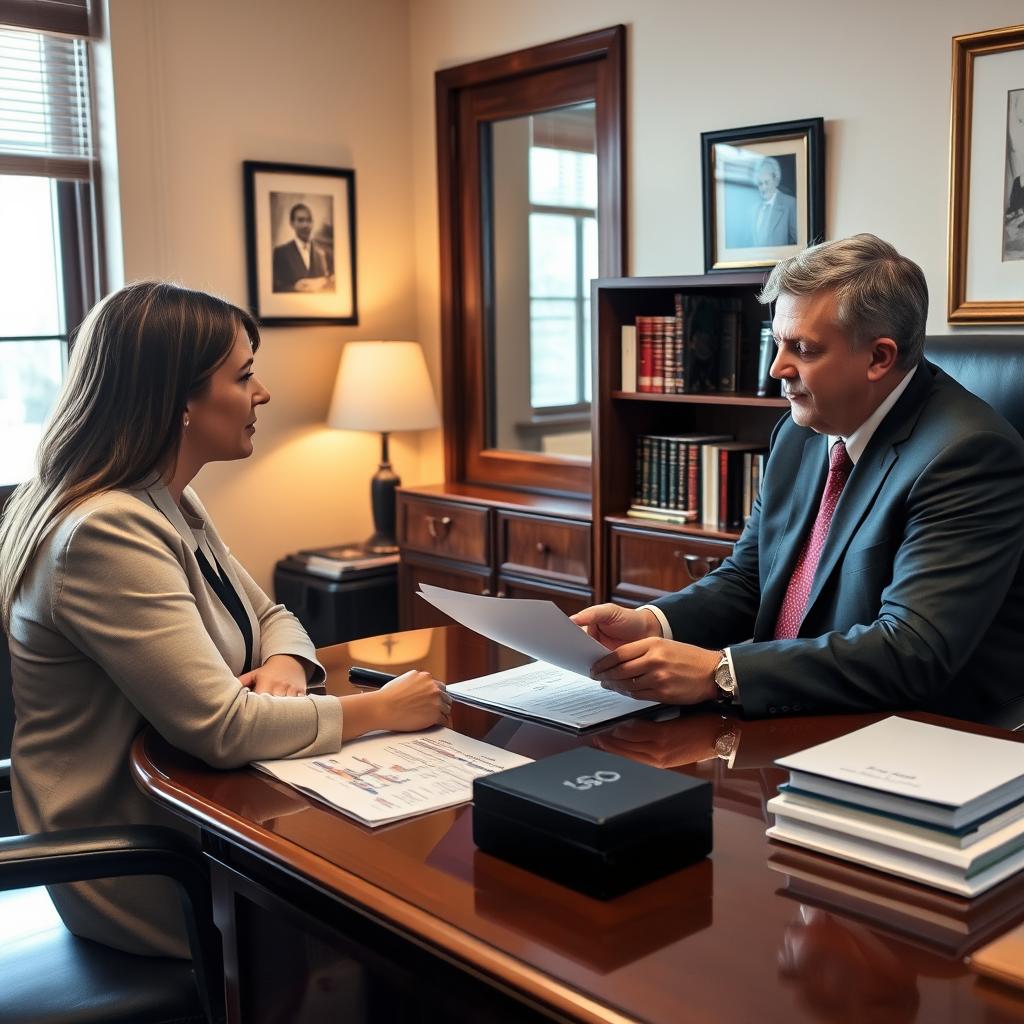
Property Division Lawyer Oswego County
A Property Division Lawyer Oswego County handles the equitable distribution of marital assets and debts under New York law. The process is governed by New York Domestic Relations Law § 236(B)(5). Law Offices Of SRIS, P.C. —Advocacy Without Borders. Our attorneys analyze factors like income, marriage duration, and future needs. We protect your rights to real estate, retirement accounts, and business interests. (Confirmed by SRIS, P.C.)
Statutory Definition of Equitable Distribution in New York
New York Domestic Relations Law § 236(B)(5) governs equitable distribution, classifying marital property for division upon divorce with outcomes determined by judicial discretion. The statute does not prescribe a fixed maximum penalty but grants courts broad authority to distribute assets and debts. This law defines marital property as all property acquired by either spouse during the marriage, regardless of how title is held. Separate property, including gifts, inheritances, and property acquired before marriage, is excluded from division. The court’s primary mandate is to achieve an equitable, or fair, distribution based on multiple statutory factors. This is not a simple 50/50 split. The process requires a detailed analysis of the entire financial picture of the marriage. A Property Division Lawyer Oswego County must handle these complex statutory guidelines to advocate for a client’s fair share.
What is considered marital property in Oswego County?
Marital property includes all assets and debts acquired from the date of marriage until the commencement of a divorce action. This includes the marital home, vehicles, bank accounts, investment portfolios, and retirement benefits earned during the marriage. It also includes business interests and professional licenses acquired during the marriage. Even debt, such as credit card balances or mortgages taken on during the marriage, is subject to division. The characterization of an asset as marital is the critical first step in the equitable distribution process.
How does a court determine what is “equitable”?
A court examines over a dozen factors listed in DRL § 236(B)(5)(d) to decide a fair division. Key factors include the income and property of each party at marriage and at divorce. The duration of the marriage and the age and health of both spouses are considered. The court also evaluates the need of the custodial parent to occupy the marital home. Future financial circumstances and potential earning capacity of each spouse are heavily weighted. Lost career opportunities due to homemaking or child-rearing are relevant factors. There is no mathematical formula; the judge has significant discretion.
Can my spouse get part of my inheritance in Oswego County?
An inheritance is typically separate property and not subject to division, provided it was kept separate. The key is maintaining the inheritance in an account solely in your name and not commingling it with marital funds. If you deposit inheritance money into a joint checking account, it may be transmuted into marital property. Using inheritance to pay down a joint mortgage or improve the marital home can also change its status. A marital property split lawyer Oswego County can advise on tracing and protecting separate assets.
The Insider Procedural Edge in Oswego County Courts
Divorce and property division cases in Oswego County are heard at the Oswego County Supreme Court, located at 25 East Oneida Street, Oswego, NY 13126. The court handles all contested matrimonial actions, including trials for equitable distribution. Filing a divorce action requires submitting a Summons with Notice or a Summons and Complaint along with the required filing fees. Procedural timelines can vary significantly based on case complexity and court docket schedules. Uncontested cases with signed agreements may resolve in months, while contested trials can take over a year. Local rules require full financial disclosure through sworn statements of net worth. All assets and liabilities must be documented for the court’s review. Failure to disclose can result in severe sanctions, including an unfavorable property distribution.
What is the typical timeline for property division in Oswego County?
A contested property division case often takes 12 to 18 months from filing to final judgment. The timeline includes periods for discovery, motion practice, and potential settlement conferences. The Oswego County Supreme Court may schedule preliminary and compliance conferences to manage the case. If settlement talks fail, the case proceeds to a trial where a judge decides the issue. The complexity of valuing assets like businesses or pensions can extend this timeline. An experienced equitable distribution lawyer Oswego County can work to simplify the process through negotiation.
What are the court filing fees for a divorce in Oswego County?
The current index filing fee for a Supreme Court divorce action in Oswego County is $210. Additional fees are required for filing a Note of Issue to schedule a trial. There are also fees for motions and other required court documents. If you cannot afford the fees, you may apply for a poor person’s relief. These costs are separate from attorney fees and expenses for appraisers or financial experienced attorneys.
Penalties & Defense Strategies in Property Division
The most common penalty in property division is an unequal distribution of assets that financially disadvantages one party. The court’s order is final and can have lifelong financial consequences. An unfavorable division can mean losing equity in a home, a portion of a pension, or a business you helped build. The court can also order one party to assume a disproportionate share of marital debt. Beyond the division, a party may be ordered to pay the other’s attorney fees for litigation misconduct. The table below outlines potential outcomes. Learn more about Virginia legal services.
| Offense / Issue | Potential Penalty / Outcome | Notes |
|---|---|---|
| Failure to Disclose Assets | Court awards hidden asset to other spouse; sanctions; payment of legal fees. | Intentional nondisclosure is viewed harshly by Oswego County judges. |
| Dissipation of Assets | Spouse who wasted assets may be charged with their full value. | Includes gambling, gifting, or reckless spending pending divorce. |
| Non-Compliance with Court Orders | Contempt findings, fines, or even jail time. | Applies to orders for appraisal access or temporary support. |
| Unfavorable Distribution Factor | Receiving less than 50% of marital estate. | Based on statutory factors like income disparity or fault. |
[Insider Insight] Oswego County judges and prosecutors in the support unit focus heavily on full financial transparency. They are adept at reviewing bank records and tax returns to find inconsistencies. Hiding income or assets is a sure way to lose credibility and suffer in the final distribution. The court expects both parties to engage in good-faith settlement discussions before trial. Coming to court unprepared with incomplete financial disclosure is a critical mistake.
How can I protect my business during an Oswego County divorce?
Hire a forensic accountant to conduct a business valuation as early as possible. Distinguish between marital and separate property contributions to the business’s growth. Consider a buyout agreement or structured payment plan to retain full ownership. Document all business finances carefully to avoid claims of dissipation. A Property Division Lawyer Oswego County can negotiate terms that allow you to keep the business operational.
What happens to the marital home in Oswego County?
The court has several options for the marital home, often the largest asset. It can order the home sold and the proceeds divided equitably. It can award the home to the custodial parent until children reach majority, then order a sale. One spouse may buy out the other’s equity interest in the home. The decision balances factors like children’s stability, each spouse’s financial ability, and overall equity.
Why Hire SRIS, P.C. for Your Oswego County Property Division
Our lead attorney for complex asset division has over fifteen years of litigation experience in New York matrimonial law. This attorney has handled hundreds of cases involving the valuation and division of businesses, professional practices, and retirement accounts. We understand the specific tendencies of the Oswego County Supreme Court justices. Our approach is direct and strategic, focused on securing a financially stable outcome for you. We prepare every case as if it is going to trial, which strengthens our negotiation position. SRIS, P.C. provides Advocacy Without Borders, bringing extensive resources to your local case.
Designated Counsel for Complex Assets: Our assigned attorney has a proven record in high-net-worth divorces. This includes cases involving stock options, deferred compensation, and real estate portfolios. The attorney’s background includes formal training in financial analysis relevant to equitable distribution. We deploy this knowledge to challenge unfavorable valuations and advocate for your entitlements.
We analyze all statutory factors to build a compelling argument for your desired distribution. Our team coordinates with financial experienced attorneys, real estate appraisers, and pension valuators. We ensure every asset is properly classified and valued. SRIS, P.C. has a Location serving Oswego County clients. We are prepared to protect your financial future. You need a firm with deep experience in family law for this fight.
Localized FAQs for Property Division in Oswego County
How long do you have to be married to get half of everything in New York?
New York has no minimum marriage duration for equitable distribution. The length of the marriage is just one factor a court considers. Short marriages may result in each spouse keeping what they brought in. Long marriages typically lead to a more equal division of all marital assets. Learn more about criminal defense representation.
Is a spouse entitled to 401k divorce settlement in Oswego County?
Yes, the portion of a 401k or pension earned during the marriage is marital property. It is subject to equitable distribution in an Oswego County divorce. A court order called a Qualified Domestic Relations Order (QDRO) is required to divide it.
Who gets the house in a divorce in New York State?
No one automatically gets the house. The court decides based on factors like children’s needs, financial resources, and each spouse’s contribution. Common outcomes include a buyout, a sale with split proceeds, or exclusive use awarded to a parent.
How can I prove my spouse is hiding assets in Oswego County?
Forensic discovery is key. We subpoena bank records, tax returns, and business accounts. We look for unexplained withdrawals, transfers to friends, or new accounts. An experienced legal team knows where to look for hidden assets.
What is the difference between separate and marital property?
Separate property is owned before marriage or received as a gift/inheritance. Marital property is anything acquired during the marriage. The main issue is commingling, which can turn separate property into marital property.
Proximity, CTA & Disclaimer
SRIS, P.C. has a Location serving Oswego County, New York. Our team is familiar with the local courts and procedures at the Oswego County Supreme Court. We provide direct representation for clients facing the complex process of dividing property in a divorce. The financial stakes are too high to proceed without skilled counsel. Consultation by appointment. Call 24/7. We will review the specifics of your marital assets and the applicable New York law. Our goal is to develop a strategy to protect your financial interests. Contact us to discuss your case with a dedicated property division attorney.
NAP: SRIS, P.C. | Consultation by Appointment | Call 24/7.
Past results do not predict future outcomes.