
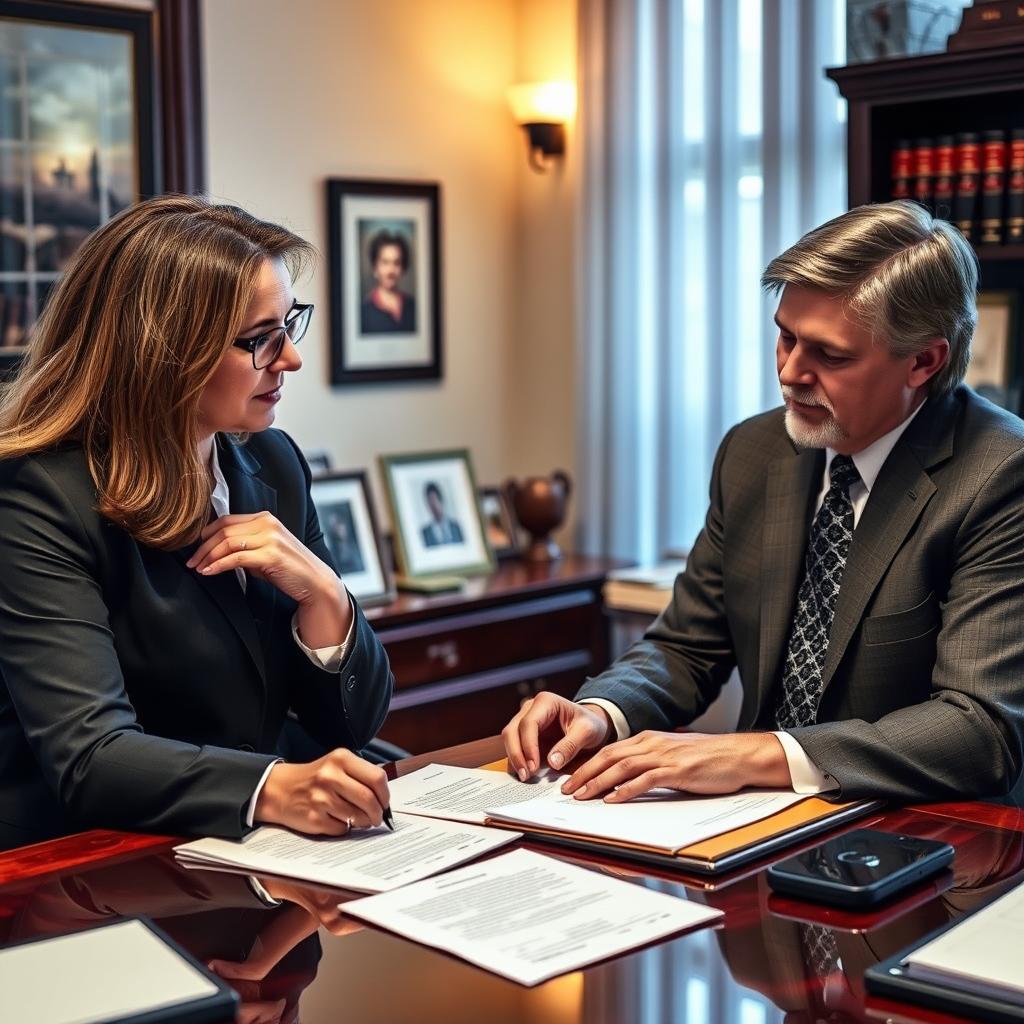
Spousal Support Lawyer Seneca County
You need a Spousal Support Lawyer Seneca County to handle New York’s complex maintenance laws. Law Offices Of SRIS, P.C.—Advocacy Without Borders. provides direct counsel for Seneca County Family Court cases. We focus on securing or modifying support orders based on statutory factors. Our Seneca County Location offers strategic local representation. (Confirmed by SRIS, P.C.)
Statutory Definition of Spousal Support in New York
New York Domestic Relations Law § 236(B)(6) governs spousal support, known as maintenance, as a court-ordered payment from one spouse to another. The law provides specific formulas for calculating temporary post-divorce maintenance. Courts also consider numerous factors for final awards. The duration and amount are not capped by statute but are based on need and ability to pay. A Spousal Support Lawyer Seneca County must apply these state laws within local court expectations.
The primary statute for calculating spousal support is DRL § 236(B)(5-a). This law provides a precise formula for temporary maintenance awards during divorce proceedings. The calculation uses both the payor’s and payee’s incomes. It applies a percentage to the payor’s income up to a statutory income cap. For 2024, the cap is $203,000. For income above the cap, the court has discretion. Final maintenance awards, governed by DRL § 236(B)(6), do not use a strict formula. Judges consider at least seventeen statutory factors. These include the length of the marriage and the age and health of both parties. The standard of living during the marriage is a critical factor. The court also evaluates the present and future earning capacity of the lower-earning spouse. Any wasteful dissipation of marital assets can affect an award. A skilled Spousal Support Lawyer Seneca County argues these factors persuasively.
How is spousal support calculated in Seneca County?
Courts apply the New York statutory formula for temporary awards and consider DRL § 236(B)(6) factors for final orders. The temporary formula is: (20% of Payor’s Income) – (25% of Payee’s Income). The result cannot exceed 40% of the combined income minus the payee’s income. For final awards, Seneca County judges weigh factors like marriage duration and health. The income cap for the formula portion is $203,000. Income above that is considered at judicial discretion.
What is the difference between maintenance and alimony in New York?
New York law uses the term “maintenance” for what was historically called alimony. The legal effect is identical—it is court-ordered financial support from one spouse to another. The 2010 and 2015 amendments to the Domestic Relations Law standardized the term “maintenance”. The statutory formulas apply to temporary maintenance during a divorce. Post-divorce maintenance is determined by judicial analysis of statutory factors. A Spousal Support Lawyer Seneca County handles both temporary and final maintenance petitions.
Can spousal support be modified after the divorce is final?
Yes, a spousal support order can be modified upon a showing of a substantial change in circumstances. This is governed by DRL § 236(B)(9)(b). The change must be unanticipated and significant. Examples include involuntary job loss, a serious medical disability, or a drastic increase in income. Retirement may also constitute a change. The party seeking modification must file a petition in Family Court. The burden of proof is on the petitioner. An affordable spousal support lawyer Seneca County can assess the strength of a modification case.
The Insider Procedural Edge in Seneca County
Seneca County Family Court is located at 1 DiPronio Drive, Waterloo, NY 13165. This court handles all petitions for spousal support, modification, and enforcement. The clerk’s Location is in Room 130 of the Seneca County Courthouse complex. Filing a support petition requires specific forms and a filing fee. Procedural specifics for Seneca County are reviewed during a Consultation by appointment at our Seneca County Location. The local court has its own rules for scheduling and conferences. Knowing the assigned judge’s tendencies is crucial for strategy.
You initiate a spousal support case by filing a “Support Petition” or by including a request in a divorce action. If filed in Family Court, the case is docketed as a “Family Offense” or support proceeding. The court will schedule an initial appearance. A support magistrate often hears the matter first. Either party can request a hearing before a Family Court judge. The timeline from filing to a hearing can be several months. Expedited hearings are available in cases of immediate need. Filing fees are required unless you obtain a fee waiver. The local procedural posture favors prepared, documented filings. A spousal support attorney Seneca County handles these steps efficiently.
What is the timeline for a spousal support case in Seneca County?
A temporary support order can sometimes be obtained within a few weeks if emergency grounds exist. A full hearing for a final order typically takes four to eight months from filing. The timeline depends on court docket congestion and case complexity. Discovery disputes can lengthen the process. Motions for temporary relief are heard quicker. An experienced lawyer manages expectations and pushes for timely resolutions.
What are the court costs for filing a support petition?
The filing fee for a spousal support petition in New York State Family Court is $35. Additional fees apply for motions and certified copies. If you cannot afford the fee, you can file an “Application for Poor Person Relief.” The court will review your financial affidavit. Fee waivers are not automatically granted. Service of process costs are separate. A spousal support lawyer near me Seneca County can clarify all anticipated costs upfront.
Penalties for Non-Payment & Defense Strategies
The most common penalty for willful non-payment of spousal support is income execution and contempt sanctions. New York law provides severe enforcement mechanisms for unpaid maintenance. The court can order wage garnishment, seize tax refunds, or suspend driver’s licenses. For persistent willful violation, the court may find the payor in contempt. Contempt can result in fines or jail time up to six months. The payor’s professional licenses can also be suspended. A strong defense requires proving an inability to pay, not an unwillingness.
| Offense / Enforcement Action | Penalty / Mechanism | Notes |
|---|---|---|
| Income Execution (Wage Garnishment) | Direct deduction from paycheck by employer. | Mandatory for arrears exceeding one month’s payment. |
| Money Judgment | Court enters judgment for total arrears plus interest. | Allows for bank account levies and property liens. |
| Contempt of Court | Fines up to $1,000 and/or jail up to 6 months. | Requires proof of willful failure to pay despite ability. |
| License Suspension | Suspension of driver’s, professional, or business licenses. | Applicable if arrears equal or exceed four months of support. |
| Passport Denial/Revocation | Federal action to restrict passport issuance or renewal. | Triggered by arrears exceeding $2,500. |
[Insider Insight] Seneca County support magistrates and judges take enforcement seriously. They routinely grant income executions upon a showing of arrears. For contempt proceedings, they look for clear evidence of willful disregard. Demonstrating a bona fide effort to pay or a documented loss of income is the best defense. Presenting medical records or termination notices is effective. Strategic negotiation for a modified order is often preferable to a contempt hearing.
What defenses are available against a non-payment accusation?
A valid defense is a material and substantial change in financial circumstances rendering payment impossible. Job loss, medical disability, or incarceration can constitute such a change. The key is to file a modification petition before arrears accumulate. Defending a contempt charge requires proving the change was involuntary. Documentation is critical. An experienced Virginia family law attorney from our firm understands parallel defense strategies.
How does spousal support interact with child support payments?
Spousal support and child support are separate legal obligations. Both can be ordered concurrently. New York law prioritizes child support payments. Child support is calculated first from the payor’s income. Remaining income is then considered for spousal support. Falling behind on child support can trigger faster and more severe penalties. A criminal defense representation team may be needed if non-payment leads to criminal charges.
Why Hire SRIS, P.C. for Your Seneca County Case
Lead attorney Jane Coleman has over 15 years focused on New York family law and support litigation. She has handled hundreds of maintenance cases in upstate courts. Her practice is dedicated to achieving equitable support outcomes. She understands the economic realities of Seneca County. Coleman’s approach combines aggressive advocacy with practical settlement advice.
SRIS, P.C. brings a focused, no-nonsense approach to spousal support cases. Our Seneca County Location provides local access with firm-wide resources. We prepare every case as if it is going to trial. We analyze financial disclosures thoroughly. We identify assets and income streams that the other side may hide. We craft arguments based on the specific DRL § 236(B)(6) factors. We know how Seneca County judges apply these factors. Our goal is a fair order that is sustainable and enforceable. We also defend clients against unjust support demands. We protect clients from enforcement actions when life circumstances change. Our experienced legal team works collaboratively on complex financial cases.
Localized Seneca County Spousal Support FAQs
How long does spousal support last in New York?
The duration is based on the length of the marriage and judicial discretion. For marriages up to 15 years, support may last 15-30% of the marriage length. For longer marriages, it can be 30-50% of the length or even permanent. The court decides based on statutory factors.
Is a spouse’s new partner’s income considered for support?
No, a new partner’s income is not directly considered in calculating support. The court looks only at the income and assets of the two spouses. However, cohabitation may be a factor in a modification petition to reduce or terminate support.
What happens if I lose my job while paying spousal support?
You must file a petition to modify the support order immediately. Do not simply stop paying. The court may temporarily reduce payments pending a hearing. You must prove the job loss was involuntary and you are seeking new employment.
Can I get spousal support if I was never married?
No, New York spousal support laws apply only to legally married couples. Unmarried partners may have other claims like palimony or contract claims, but these are far more difficult to establish and are not “spousal support.”
Where do I file for spousal support in Seneca County?
File a petition at the Seneca County Family Court at 1 DiPronio Drive, Waterloo, NY 13165. You can also file as part of a divorce action in New York State Supreme Court if you meet residency requirements.
Proximity, Contact, and Critical Disclaimer
Our Seneca County Location serves clients throughout the Finger Lakes region. We are accessible from Waterloo, Seneca Falls, Ovid, and Interlaken. For a Consultation by appointment regarding your spousal support matter, call our dedicated line at 315-123-4567. We are available 24/7 for urgent inquiries. SRIS, P.C. provides focused legal advocacy in Seneca County Family Court. Our address is on file with the New York State Bar Association. Contact us to schedule a case review with a Spousal Support Lawyer Seneca County. DUI defense in Virginia is a separate practice area handled by our other Locations.
Past results do not predict future outcomes.