
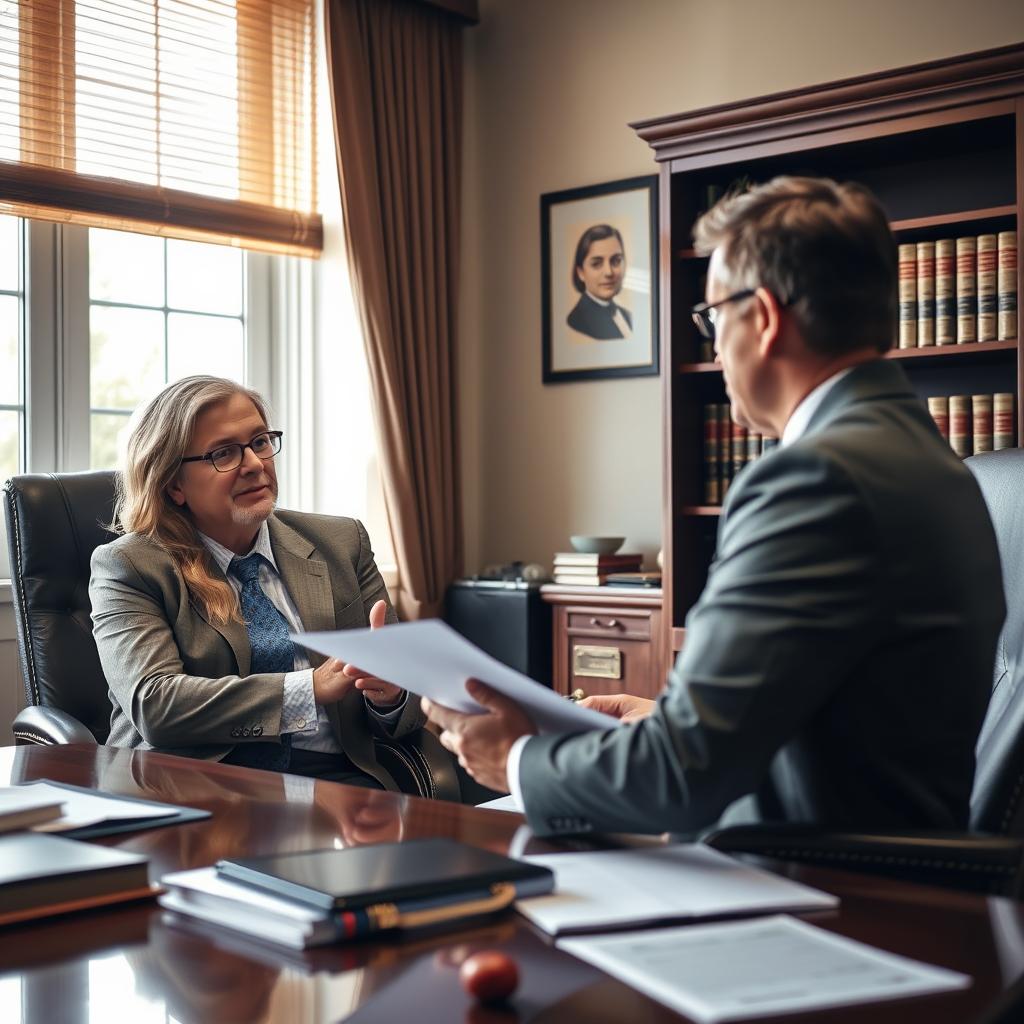
Fault Based Divorce Lawyer Schenectady County
A fault based divorce in Schenectady County requires proving specific grounds like adultery or cruelty. You need a lawyer who knows New York Domestic Relations Law and Schenectady County Supreme Court procedures. Law Offices Of SRIS, P.C. —Advocacy Without Borders. Our Schenectady County Location handles contested fault divorces. We build evidence to meet the legal burden. (Confirmed by SRIS, P.C.)
Statutory Definition of a Fault Divorce in New York
A fault divorce in New York is governed by specific statutes requiring proof of marital misconduct. The grounds are narrowly defined. You must present clear evidence to the court. Schenectady County judges require convincing proof. The process is more complex than a no-fault divorce. A Fault Based Divorce Lawyer Schenectady County handles these strict legal requirements.
New York Domestic Relations Law § 170 — Fault Grounds — Divorce Decree. This statute lists the permissible grounds for a fault-based divorce. It includes adultery, cruel and inhuman treatment, abandonment, and imprisonment. Each ground has specific legal elements that must be proven. The burden of proof rests entirely on the plaintiff.
Filing for divorce on fault grounds changes the entire case. It impacts issues like spousal support and property division. The accusing spouse must be prepared for a contested hearing. Evidence must be admissible under New York rules. Procedural specifics for Schenectady County are reviewed during a Consultation by appointment at our Schenectady County Location.
What are the fault grounds for divorce in New York?
New York recognizes six fault grounds for divorce. Adultery requires proof of a voluntary sexual act. Cruel and inhuman treatment involves physical or mental harm. Abandonment must be for one year or more. Imprisonment requires a sentence of three consecutive years. A divorce may also be granted for a spouse’s incurable insanity. Each ground demands specific documentation and witness testimony.
How does fault impact spousal maintenance in Schenectady County?
Fault can significantly influence spousal maintenance awards. A judge may consider marital misconduct when determining support. Proven fault like adultery or cruelty can reduce an obligor’s support burden. It can also increase the amount or duration for a victimized spouse. Schenectady County courts have discretion in these matters. An at-fault divorce lawyer Schenectady County argues these factors effectively.
What is the burden of proof for a fault divorce?
The burden of proof is “preponderance of the evidence.” You must show the misconduct more likely occurred than not. This is a lower standard than “beyond a reasonable doubt.” However, the evidence must still be clear and convincing. Schenectady County Supreme Court judges scrutinize fault allegations closely. Hearsay and speculation are not sufficient for a decree.
The Insider Procedural Edge in Schenectady County
Fault divorce cases are filed in the Schenectady County Supreme Court. The address is 612 State Street, Schenectady, NY 12305. This court handles all matrimonial actions for the county. You must follow specific local rules and filing procedures. A local attorney understands the court’s preferences and timelines. This knowledge is critical for a successful fault divorce case.
The filing fee for a divorce action in Schenectady County is $210. Additional fees apply for serving papers and filing motions. The court requires specific forms like the Summons With Notice. Fault grounds must be stated with particularity. The defendant has a limited time to answer the complaint. Failure to respond can result in a default judgment. Learn more about Virginia family law services.
Procedural specifics for Schenectady County are reviewed during a Consultation by appointment at our Schenectady County Location. The court’s matrimonial part has specific judges. Knowing which judge is assigned can inform strategy. Local rules may require mediation before a trial. Discovery deadlines are strictly enforced. A fault grounds for divorce lawyer Schenectady County manages these details.
What is the typical timeline for a fault divorce?
A contested fault divorce can take over a year to complete. The timeline depends on case complexity and court scheduling. Initial filing and service take several weeks. Discovery and motion practice can last months. A trial may be scheduled many months out. Schenectady County’s court calendar affects the speed of resolution.
What are the key filing steps in Schenectady Supreme Court?
You start by filing a Summons With Notice or Summons and Complaint. The filing must occur at the County clerk’s Location. The defendant must be served with the papers properly. An Affidavit of Service is filed with the court. The defendant then has 20 days to respond. Missing a step can delay your case significantly.
Penalties & Defense Strategies in Fault Divorce
The most common penalty in a fault divorce is an unfavorable financial ruling. The at-fault spouse may receive less marital property. They may pay more spousal support for a longer duration. Custody and visitation decisions can also be impacted. The court has broad discretion to do what is equitable. A Fault Based Divorce Lawyer Schenectady County fights to limit these penalties.
| Offense / Finding | Potential Consequence | Notes |
|---|---|---|
| Adultery Proven | Reduced property share; possible support penalty | Must be proven with direct or circumstantial evidence. |
| Cruelty Proven | Impact on custody; increased support for victim | Requires showing a pattern of harmful conduct. |
| Abandonment Proven | Forfeiture of rights to marital home; support obligations | Must be voluntary and unjustified for one year. |
| Fault Allegation Fails | Case may be dismissed or converted to no-fault; cost awards | Plaintiff may be responsible for defendant’s legal fees. |
[Insider Insight] Schenectady County prosecutors in family court—meaning opposing counsel and judges—heavily scrutinize fault claims. They expect documented evidence, not just allegations. Unsubstantiated claims can damage your credibility. The court favors settlements but will try fault cases. Knowing the local temperament is a key defense advantage.
Defense against a fault allegation requires a direct rebuttal. You must challenge the evidence and the plaintiff’s credibility. Alternative explanations for the alleged behavior may be presented. In some cases, proving consent or condonation can be a defense. A skilled attorney attacks each element of the alleged ground. This protects your financial and parental rights.
Can fault affect child custody in Schenectady County?
Yes, proven fault can directly impact custody determinations. Behavior like cruelty or abandonment reflects on parental fitness. The court’s primary concern is the child’s best interests. A pattern of misconduct may show an unstable environment. Schenectady County judges consider all relevant factors. Custody is not automatically awarded to the “innocent” spouse. Learn more about criminal defense representation.
What are the financial risks of alleging fault?
Alleging fault increases litigation costs and duration. If you fail to prove the ground, you may pay the other side’s fees. It can also provoke a more aggressive response from your spouse. This often leads to a more contentious property division. The financial stakes are higher in a fault case. Strategic advice from an at-fault divorce lawyer Schenectady County is essential.
Why Hire SRIS, P.C. for Your Schenectady County Fault Divorce
Our lead attorney has over a decade of focused experience in New York matrimonial law. He understands the precise evidence needed for fault grounds. He has represented clients in Schenectady County Supreme Court numerous times. This direct experience with local judges is invaluable. He prepares every case as if it will go to trial. That preparation often leads to stronger settlement positions.
Lead Matrimonial Attorney
Extensive background in New York Domestic Relations Law.
Direct litigation experience in Schenectady County Supreme Court.
Focused practice on contested divorce and fault grounds.
Strategic approach to evidence gathering and presentation.
SRIS, P.C. has a dedicated Location in Schenectady County. We are familiar with the court personnel and local rules. Our firm approach is direct and evidence-driven. We do not make empty threats or promises. We assess the strength of your fault claim honestly. We then build a case strategy to achieve your goals. Our team includes professionals who can assist with complex financial discovery.
We have handled numerous contested divorce cases in the region. Our knowledge extends to related issues like complex property division and custody disputes. We provide Advocacy Without Borders for clients facing difficult family law matters. You need a lawyer who will confront the hard facts of your case. We provide that direct advocacy.
Localized FAQs for Fault Divorce in Schenectady County
What is the difference between fault and no-fault divorce in New York?
A no-fault divorce uses “irretrievable breakdown” as the ground. It requires a sworn statement and a waiting period. A fault divorce requires proving specific misconduct like adultery or cruelty. Fault cases are typically more complex, costly, and contentious.
How long do you have to be separated for a no-fault divorce?
New York requires a one-year separation period for a no-fault divorce. You must have a written separation agreement or live apart. The separation must be continuous and voluntary. This is an alternative to proving fault grounds. Learn more about personal injury claims.
Can I get alimony if my spouse cheated in Schenectady County?
Proven adultery is a factor in alimony decisions. The court may award more support or for a longer duration. It is not an automatic entitlement. The judge considers all financial circumstances and the marital misconduct’s impact.
What evidence is needed to prove cruel and inhuman treatment?
You need evidence of a pattern of physical or mental harm. Medical records, police reports, photographs, and witness testimony are used. The treatment must endanger your physical or mental well-being. Isolated arguments are usually insufficient.
Where are divorce cases heard in Schenectady County?
All divorce cases are heard in the Schenectady County Supreme Court. It is located at 612 State Street in Schenectady. The court has a dedicated matrimonial part. All filings go through the County clerk’s Location in the same building.
Proximity, CTA & Disclaimer
Our Schenectady County Location is centrally positioned to serve clients. We are accessible from neighborhoods across the county. Procedural specifics for Schenectady County are reviewed during a Consultation by appointment. Call our dedicated line for Schenectady County family law matters. We provide direct legal counsel for fault-based divorce cases.
Consultation by appointment. Call (518) 555-1212. 24/7.
SRIS, P.C. — Advocacy Without Borders.
Schenectady County Location
Serving Schenectady, Scotia, Niskayuna, Rotterdam, and Duanesburg.
Past results do not predict future outcomes.