
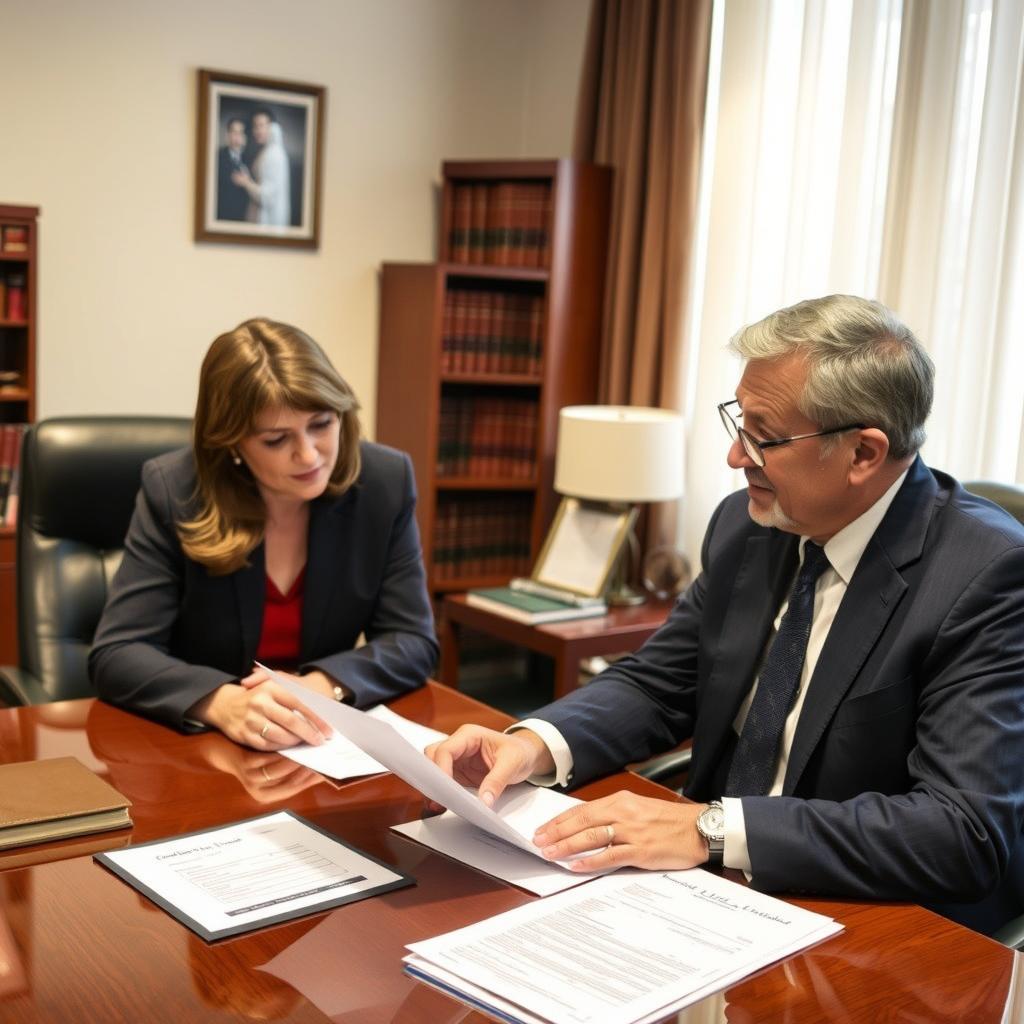
Contested Divorce Lawyer Chenango County
You need a Contested Divorce Lawyer Chenango County when your spouse disputes the terms of your divorce. This means a judge will decide all issues at trial. Law Offices Of SRIS, P.C. —Advocacy Without Borders. Our attorneys prepare every case for trial from day one. We represent clients at the Chenango County Supreme Court. (Confirmed by SRIS, P.C.)
Statutory Definition of a Contested Divorce in New York
A contested divorce in New York is governed by the Domestic Relations Law. The core statute is DRL § 170, which lists the grounds for divorce. New York is an equitable distribution state under DRL § 236. This law controls how marital property and debt are divided. It also governs spousal maintenance and child support awards. A divorce is contested when spouses cannot agree on one or more of these terms. The case then proceeds through litigation toward a trial. A judge makes the final decisions on all disputed matters.
You must understand what makes a divorce contested. It is not about fighting over everything. It is about a fundamental disagreement on key legal outcomes. These outcomes include asset division, child custody, and support obligations. The New York court system requires specific procedural steps. Missing a deadline or filing incorrectly can hurt your case. Having a Contested Divorce Lawyer Chenango County ensures proper procedure.
What are the grounds for divorce in New York?
New York recognizes both fault and no-fault grounds for divorce. The no-fault ground is the irretrievable breakdown of the marriage for at least six months. This is under DRL § 170(7). Fault grounds include cruel and inhuman treatment, abandonment, and imprisonment. Adultery and living apart pursuant to a separation decree are also grounds. Your chosen ground can impact settlement negotiations and trial strategy.
How does equitable distribution work in Chenango County?
Equitable distribution means a fair division, not necessarily equal. The Chenango County Supreme Court considers multiple statutory factors. These factors are listed in DRL § 236(B)(5)(d). They include the income and property of each party at marriage and at divorce. The court also considers the duration of the marriage and the age and health of both parties. The direct and indirect contributions to the marital estate are weighed. This includes career sacrifices for child rearing. A Contested Divorce Lawyer Chenango County argues these factors for a favorable split.
What is the difference between marital and separate property?
Marital property is subject to division by the court. Separate property is not. Marital property includes assets acquired during the marriage. This is true regardless of whose name is on the title. Separate property includes assets owned before the marriage. Gifts and inheritances given solely to one spouse are also separate property. The increase in value of separate property can become marital. Proving an asset is separate requires clear documentation and legal argument.
The Insider Procedural Edge in Chenango County
Your contested divorce case will be heard at the Chenango County Supreme Court. The address is 5 Court Street, Norwich, NY 13815. This is the trial-level court of general jurisdiction for divorce matters. All pleadings, motions, and orders are filed with the County Clerk here. The procedural timeline is dictated by New York court rules and the judge’s individual part rules. Expect the process to take a year or more if it goes to trial. Filing fees are set by statute and are subject to change. Learn more about Virginia family law services.
Chenango County has specific local rules and judicial preferences. Knowing these details provides a strategic edge. Judges expect strict compliance with filing deadlines and motion schedules. The court often encourages settlement through court-ordered mediation. However, you must be prepared to try your case if mediation fails. Early and aggressive discovery is critical in a contested matter. This includes demands for financial documents and depositions. Your Contested Divorce Lawyer Chenango County must know how to handle this local environment effectively.
The legal process in Chenango County follows specific procedural requirements that affect case timelines and outcomes. Courts in this jurisdiction apply local rules that may differ from neighboring areas. An attorney familiar with Chenango County court procedures can identify procedural advantages relevant to your situation.
What is the typical timeline for a contested divorce here?
A contested divorce in Chenango County typically takes over twelve months. The process begins with filing and serving the Summons with Notice or Complaint. The defendant has a set time to answer or move against the pleading. The discovery phase can last several months. This is followed by mandatory settlement conferences. If no settlement is reached, the court will schedule a trial. The entire timeline depends on court calendar availability and case complexity.
What are the court filing fees in Chenango County?
The index filing fee for a divorce action in New York State is set by law. Additional fees apply for filing motions and other documents. Fee waivers are available for qualifying low-income parties. You must submit a financial affidavit to the court for consideration. Your lawyer can advise you on the current fee schedule and waiver process.
Penalties & Defense Strategies in a Contested Divorce
The most common penalty in a contested divorce is an unfavorable financial judgment. This includes a disproportionate division of assets and debts. It also includes higher spousal maintenance or child support payments. Losing custody or parenting time is another severe potential outcome. The court has broad discretion under New York’s equitable distribution laws. A strong legal defense is built on evidence and persuasive argument. Learn more about criminal defense representation.
Virginia law establishes specific statutory frameworks that govern these matters. Each case involves unique factual circumstances that require careful legal analysis. SRIS, P.C. attorneys evaluate every relevant factor when developing case strategy for clients in Chenango County.
| Offense | Penalty | Notes |
|---|---|---|
| Unfavorable Asset Division | Receiving less than 50% of marital estate | Court considers many DRL § 236 factors. |
| Spousal Maintenance Award | Payments for a duration set by statute | Based on need, payer’s ability, and marital standard of living. |
| Child Support Order | Percentage of income per CSSA guidelines | Basic support plus add-ons for healthcare, childcare, education. |
| Limited Parenting Time | Restricted custody or visitation schedule | Best interests of the child is the legal standard. |
[Insider Insight] Chenango County judges and prosecutors prioritize the best interests of children. They look for parents who build the child’s relationship with the other parent. They disfavor tactics that unnecessarily prolong litigation. Presenting a reasonable, evidence-based position is critical. An aggressive but professional approach from your lawyer is often most effective.
How can I protect my business in a divorce?
You must establish what portion of the business is marital property. A forensic accountant may be needed to value the enterprise. Buy-sell agreements and prenuptial contracts can provide protection. The court may award the business to one spouse with an offsetting asset award to the other. Your lawyer will argue for a valuation method that minimizes your exposure.
What if my spouse hides assets?
Hiding assets is a serious issue in divorce proceedings. Discovery tools like subpoenas and depositions are used to uncover hidden wealth. The court can impose sanctions for non-disclosure. These sanctions include awarding the hidden asset entirely to the other spouse. Your lawyer must be diligent in reviewing financial statements for inconsistencies.
Court procedures in Chenango County require proper documentation and adherence to filing deadlines. Missing a deadline or submitting incomplete filings can negatively impact case outcomes. Working with an attorney who handles cases in Chenango County courts regularly ensures that procedural requirements are met correctly and on time. Learn more about personal injury claims.
Why Hire SRIS, P.C. for Your Chenango County Divorce
Our lead attorney for family law matters has over a decade of trial experience. This attorney has handled numerous contested divorce trials in upstate New York courts. SRIS, P.C. has a dedicated team focused on complex family law litigation. We prepare every case with the assumption it will go to trial. This preparation forces stronger settlement positions. We know the judges and local rules in Chenango County.
Lead Family Law Attorney: Our managing attorney directs our family law practice. This attorney is a member of the New York State Bar Association. They have a record of achieving favorable settlements and trial verdicts. They understand the financial and emotional stakes of a contested divorce.
The timeline for resolving legal matters in Chenango County depends on multiple factors including case type, court scheduling, and the positions of all parties involved. SRIS, P.C. keeps clients informed throughout the process and works to move cases forward as efficiently as possible.
Our firm’s approach is direct and strategic. We do not waste time or client money on empty gestures. We analyze the facts, apply the law, and build a winning case. We communicate clearly about risks and realistic outcomes. Our Chenango County Location provides accessible representation for local residents. We offer a Consultation by appointment to review your specific situation.
Localized FAQs for Contested Divorce in Chenango County
How long does a contested divorce take in Chenango County?
A fully contested divorce typically takes over twelve months. The timeline depends on court scheduling and case complexity. Settlement negotiations can shorten the process. Preparation for trial is what drives the calendar. Learn more about our experienced legal team.
What court handles divorces in Chenango County?
The Chenango County Supreme Court handles all divorce and family law matters. The court is located at 5 Court Street in Norwich. All legal documents must be filed with the County Clerk at this address.
Financial implications are often a significant concern in legal proceedings. Virginia courts consider relevant financial factors when making determinations. Proper preparation of financial documentation strengthens your position and supports favorable outcomes in Chenango County courts.
How is child custody decided in a contested divorce?
Custody is decided based on the child’s best interests. The court evaluates each parent’s home environment, parenting skills, and willingness to cooperate. The child’s preferences may be considered if they are of sufficient age and maturity.
Can I get alimony in Chenango County?
Spousal maintenance, or alimony, is awarded based on statutory factors. These include the length of the marriage, income disparity, and marital lifestyle. The goal is to help the lower-earning spouse become self-supporting.
What is the cost of a contested divorce lawyer?
Legal fees depend on the complexity and contentiousness of the case. Most contested divorces are billed at an hourly rate. A detailed fee agreement is provided during your initial consultation.
Proximity, CTA & Disclaimer
Our Chenango County Location serves clients throughout the region. We are accessible for meetings and court appearances in Norwich. For a Consultation by appointment to discuss your contested divorce, call our team 24/7. Our phone number is (855) 947-0700. We provide direct legal advice for your situation.
Law Offices Of SRIS, P.C.
Advocacy Without Borders.
Phone: (855) 947-0700
Past results do not predict future outcomes.