
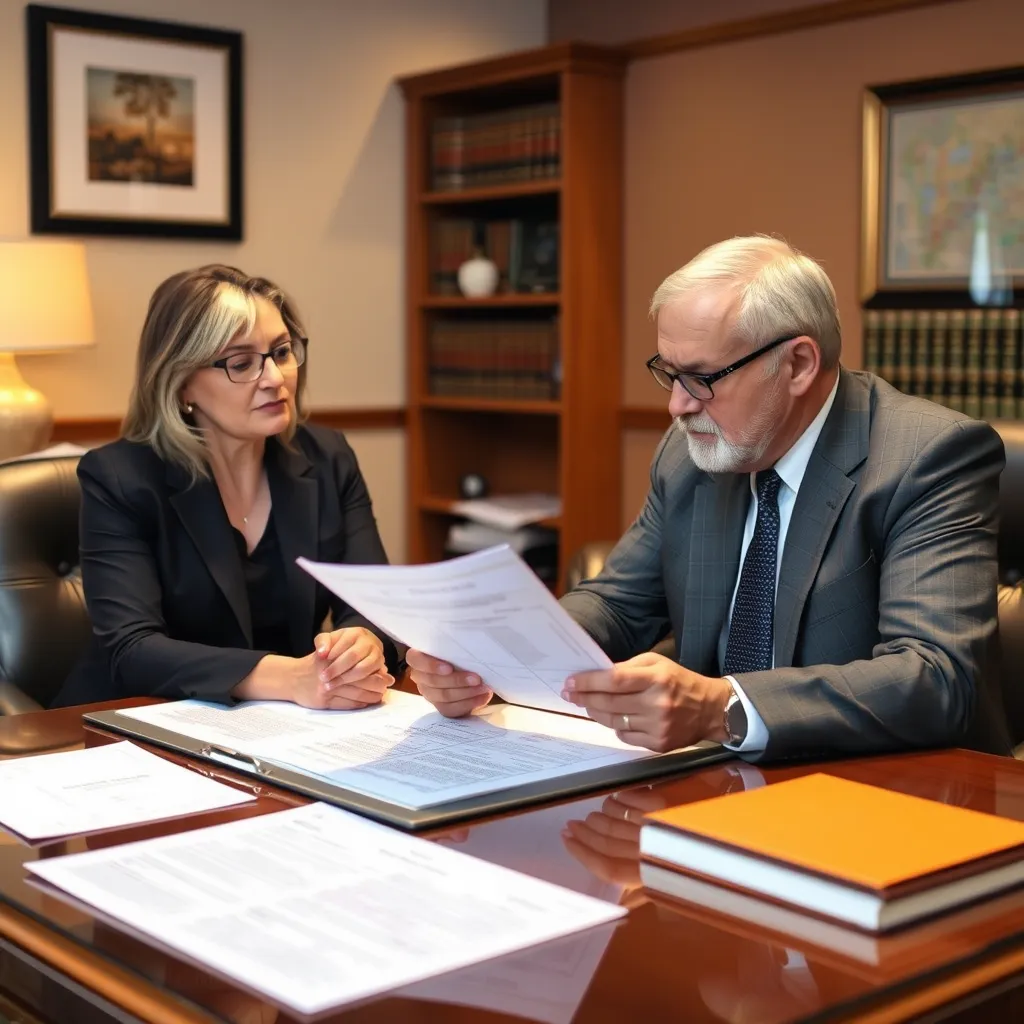
Note: This article is confirmed by Law Offices Of SRIS, P.C.
AUTHOR BIO:WRITTEN BY
Since 1997, Mr. Sris has led the firm, focusing on the most challenging criminal and family law cases… His background in accounting and information management aids in financial and technology-related cases… Involved in significant legislative changes in Virginia.
Insight: My focus since founding the firm in 1997 has always been directed towards personally handling the most challenging and involved criminal and family law matters our clients face.
Insight: I find my background in accounting and information management provides a unique advantage when handling the intricate financial and technological aspects inherent in many modern legal cases.
Insight: As someone deeply involved in the community, I believe it’s important to not only practice law but also to actively participate in shaping it, which is why I dedicated effort towards amending Virginia Code § 20-107.3 and achieving state recognition for cultural milestones.
Marital Property Division Lawyer Genesee NY
What is Marital Property Division
Marital property division refers to the legal process of separating assets and debts accumulated during marriage. In New York, this follows equitable distribution guidelines rather than community property rules. The system aims for fair outcomes based on individual circumstances. Marital property typically includes assets obtained after marriage, while separate property involves pre-marital assets or inheritances.
The division process begins with identifying all marital assets. This includes real estate, bank accounts, retirement funds, and personal property. Each asset requires proper valuation, often involving financial professionals. Documentation plays a vital role in establishing ownership and value. Complete financial disclosure helps ensure transparent proceedings.
Several factors influence distribution decisions. Courts consider marriage duration, income disparities, and contributions to marital assets. Future earning potential and health considerations also matter. Each party’s financial needs receive attention during allocation. The goal remains achieving equitable outcomes for both individuals.
Legal guidance helps manage property division effectively. Attorneys assist with documentation, valuation, and negotiation strategies. They help protect your financial interests throughout proceedings. Understanding legal rights supports informed decision-making. Professional assistance can address challenges that arise during division.
How to Handle Property Division
Begin property division by gathering comprehensive financial documentation. Collect bank statements, tax returns, and investment records. Document all assets acquired during marriage, including real estate, vehicles, and retirement accounts. Create detailed lists of debts and liabilities. This foundation supports accurate valuation and fair distribution.
Professional valuation determines accurate asset worth. Real estate may require appraisals from licensed professionals. Retirement accounts need careful calculation of marital portions. Business interests often demand attorney valuation services. Accurate figures help establish fair distribution parameters.
Negotiation offers control over division outcomes. Mediation provides structured discussion with neutral guidance. Settlement discussions can address specific concerns directly. Collaborative approaches focus on mutual agreement. These options often reduce costs and time compared to court proceedings.
Court intervention becomes necessary when agreements prove impossible. Judges consider statutory factors for equitable distribution. They examine financial documentation and hear testimony about contributions. Court decisions establish binding distribution orders. Legal representation helps present your position effectively.
Can I Protect My Assets During Division
Asset protection begins with understanding legal boundaries. New York law distinguishes between marital and separate property. Assets owned before marriage typically remain individual property. Inheritances and gifts to one spouse usually stay separate. Documentation proves ownership timelines and sources.
Prenuptial agreements establish clear guidelines before marriage. These contracts define property classification in advance. They address potential division scenarios with mutual agreement. Valid agreements require full financial disclosure and independent legal advice. Properly executed documents provide reliable protection.
Transparent financial practices support legitimate protection efforts. Maintain separate accounts for pre-marital assets. Avoid commingling funds from different sources. Document all financial transactions clearly. These practices help establish property status during division proceedings.
Legal guidance ensures compliance with protection strategies. Attorneys review documentation for completeness and accuracy. They help implement appropriate measures within legal limits. Professional advice addresses specific concerns about asset classification. This support helps maintain protection throughout proceedings.
Why Hire Legal Help for Property Division
Legal assistance begins with understanding New York’s equitable distribution system. Attorneys explain how courts apply statutory factors to individual cases. They help identify which assets qualify as marital property. Professional guidance clarifies rights and responsibilities under state law. This foundation supports informed decision-making throughout proceedings.
Documentation and valuation receive professional attention. Lawyers help gather comprehensive financial records. They coordinate with valuation professionals for accurate asset assessment. Legal teams ensure proper documentation of all marital property. This thorough approach supports fair distribution outcomes.
Negotiation strategies benefit from legal experience. Attorneys understand settlement dynamics and mediation processes. They help develop realistic proposals based on legal standards. Legal representation maintains focus on achieving equitable results. Professional negotiation often leads to satisfactory agreements without court involvement.
Court proceedings require formal legal representation. Lawyers prepare necessary documentation and present arguments effectively. They help protect rights during judicial decision-making. Legal advocacy addresses involved issues that arise in contested cases. Professional representation supports your position throughout the legal process.
FAQ:
1. What qualifies as marital property in New York?
Assets acquired during marriage typically qualify as marital property. This includes income, real estate, and retirement accounts obtained after marriage.
2. How does equitable distribution work?
Courts divide marital property fairly based on multiple factors. Distribution considers marriage duration, income, and contributions to assets.
3. What happens to separate property?
Assets owned before marriage usually remain individual property. Inheritances and gifts to one spouse typically stay separate.
4. How long does property division take?
Timing varies based on case challenge and cooperation levels. Simple agreements may complete quickly while contested cases take longer.
5. What documentation do I need?
Gather bank statements, tax returns, and investment records. Document all assets and debts acquired during marriage.
6. Can we divide property without court?
Yes, couples can negotiate settlements through mediation. Agreements avoid court proceedings when both parties cooperate.
7. What if my spouse hides assets?
Legal procedures exist to discover hidden assets. Courts can impose penalties for incomplete financial disclosure.
8. How are retirement accounts divided?
Retirement accounts require careful calculation of marital portions. attorney orders divide these assets without tax penalties.
9. What about the marital home?
The home gets valued and considered for division. Options include selling, buying out, or temporary occupancy arrangements.
10. Do I need a lawyer for property division?
Legal guidance helps manage documentation and protect interests. Professional assistance supports fair outcomes.
11. How are debts divided?
Marital debts get distributed along with assets. Courts consider who incurred debts and benefits received.
12. What factors affect distribution?
Courts examine marriage duration, income, health, and contributions. Future needs and child custody arrangements also matter.
Past results do not predict future outcomes.